
Why are there more mosquitoes during the dry season? Here are the causes
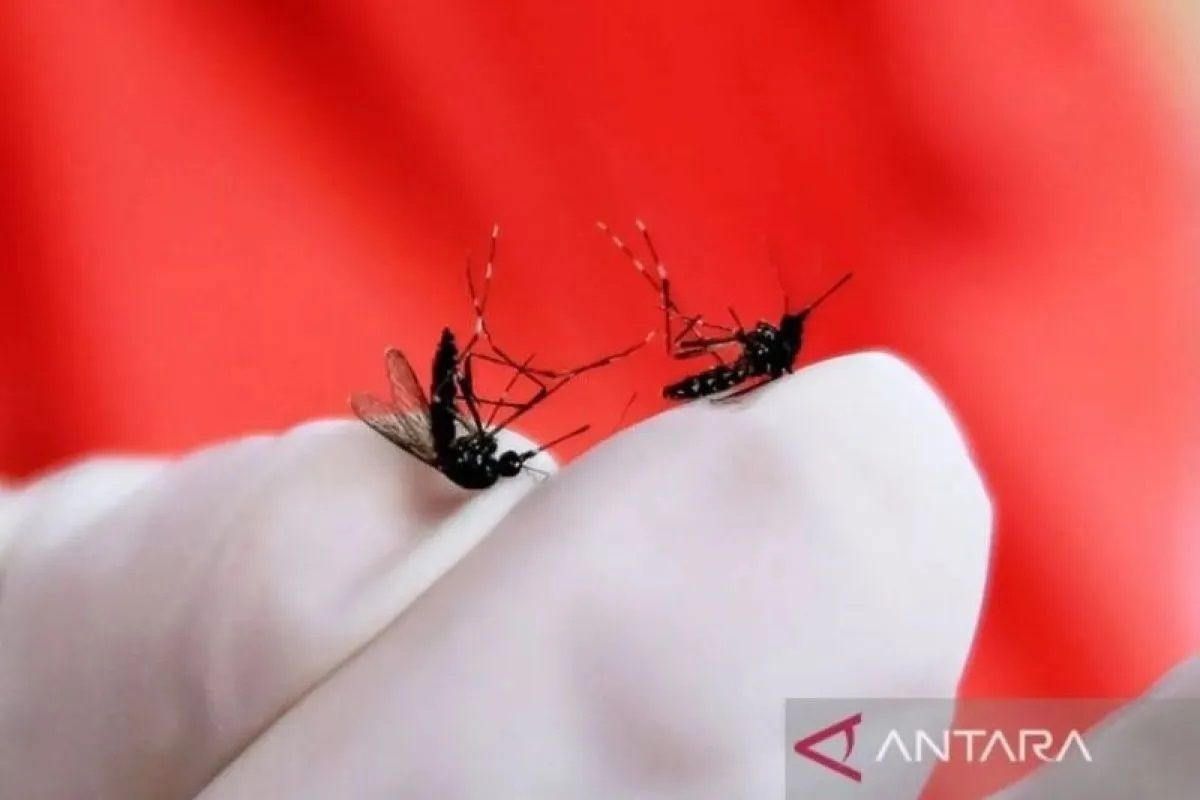
The increase in the number of mosquitoes during the dry season is often felt by the public, especially when hot and dry weather persists for a long time. Certain environmental conditions during the dry season can apparently support the breeding and activity of mosquitoes.
Some people think mosquitoes are only abundant during the rainy season because of the many puddles. However, the dry season can also be a period of increased mosquito populations if there are water sources that support breeding.
According to several environmental health studies, factors such as temperature, humidity, rainfall patterns, and the presence of standing water affect the mosquito life cycle. Warmer temperatures can accelerate mosquito development, while standing water becomes a breeding ground for several types of mosquitoes, including Aedes aegypti, which can transmit dengue haemorrhagic fever.
- Small puddles become breeding grounds
Although the dry season reduces the amount of water, some places can still hold water, such as open buckets, plant pots, gutters, used tyres, or unused containers. These small puddles can become locations for mosquitoes to lay eggs. Stagnant and rarely disturbed water gives mosquito eggs and larvae a greater chance to develop.
- Hot temperatures accelerate the mosquito life cycle
Mosquitoes are insects whose activity is influenced by environmental conditions. Warm temperatures can accelerate the development process from egg to adult mosquito. Temperature, rainfall, and humidity influence the breeding, survival, and spread of disease-carrying mosquitoes.
- Mosquitoes are more active in seeking prey
When environmental temperatures are supportive, mosquito activity in seeking food can also increase. Female mosquitoes need blood to aid the egg formation process, so they approach humans more often. Hot conditions and a supportive environment can make people feel that mosquito bites occur more frequently compared to other periods.
- Water does not flow or disappear easily
During the dry season, water remaining in some places is usually calmer because it is not frequently hit by rain flows. This condition makes mosquito breeding grounds more stable. In contrast, during the rainy season, heavy flowing water can sometimes wash away mosquito eggs or larvae.
The increase in the number of mosquitoes needs to be watched out for because several types of mosquitoes can carry diseases. One of them is Aedes aegypti, which is the main cause of dengue haemorrhagic fever transmission. Dengue is a viral disease transmitted through the bite of an infected mosquito. Prevention can be done by controlling the mosquito population and eliminating their breeding grounds.
How to reduce the number of mosquitoes at home
The public can take several simple steps to reduce the risk of mosquito breeding, including:
Regularly draining water storage containers.
Covering containers that can hold water.
Burying or disposing of used items that could potentially become puddles.
Cleaning water channels and house gutters.
Using mosquito nets or repellent when necessary.
The mosquito nest eradication movement with the 3M Plus principle, namely draining, covering, and recycling used items, is one of the recommended efforts to control mosquitoes that cause dengue fever.
Thus, the increase in the number of mosquitoes during the dry season is not only caused by hot weather but is also influenced by the presence of standing water, environmental conditions, and the mosquito life cycle. Maintaining environmental cleanliness is an important step to prevent mosquito breeding.