
Why Are Sinkhole Phenomena Appearing in Many Regions of Indonesia?
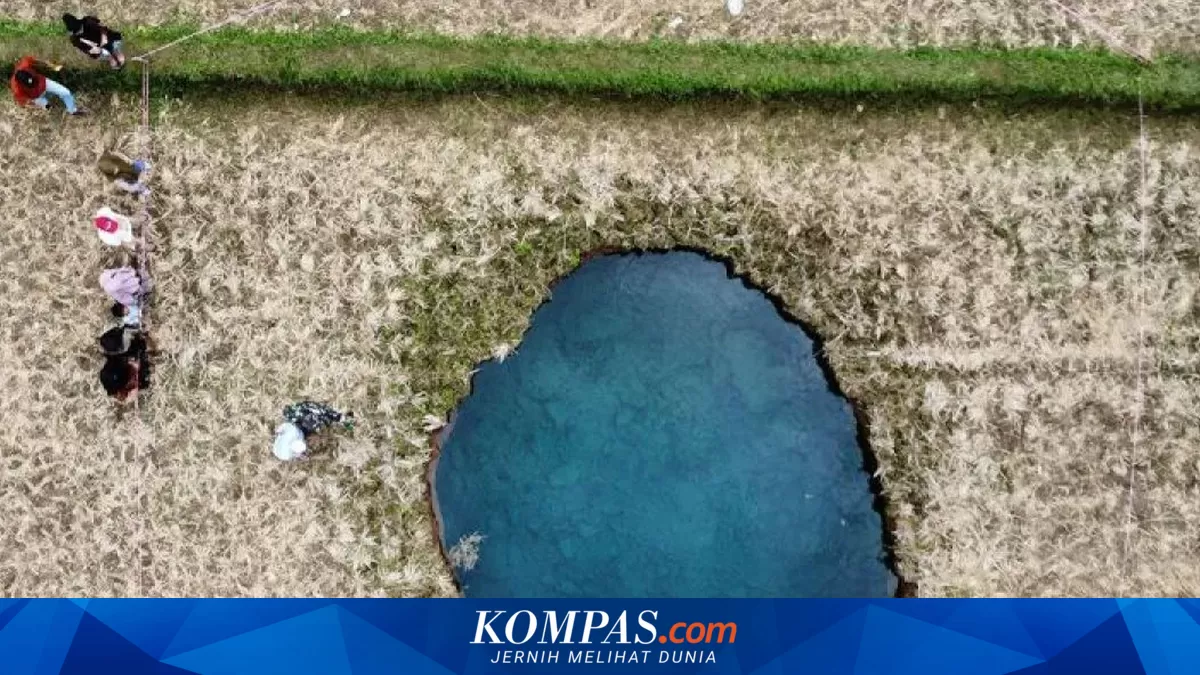
The phenomenon of sinkholes appearing in Gunungkidul Regency, Yogyakarta, and other regions such as West Sumatra and Aceh serves as a national alert for vigilance. A Professor of Geological Engineering at Universitas Gadjah Mada (UGM) reveals that approximately 8% of Indonesia’s land is karst terrain, which is naturally vulnerable to vertical surface collapses. The public is advised to recognise early signs, particularly certain ground crack patterns, to avoid threats to life safety. This is because around 8% of Indonesia’s land consists of karst areas with underground cavities. “Almost all sinkhole phenomena that appear are triggered by high rainfall,” explained Wahyu Wilopo, quoted from the UGM website. As a mitigation step, Wahyu emphasises the importance of the public recognising the characteristics of soil that is about to collapse. One of the most crucial signs is the appearance of cracks on the ground or rock surface forming certain patterns. The public is urged to be alert if they find cracks with circular, semi-circular, or quarter-circle patterns. These patterns usually indicate that there is a cavity beneath the surface undergoing intensive rock dissolution. “If such signs are identified, the public should immediately report to the authorities and not approach it,” Wahyu stressed. Wahyu explained that rock dissolution in karst underground occurs more quickly if the intensity of water entering the soil increases. Rainwater seeping into the cavities will weaken the load-bearing capacity of the overlying soil layer until a sudden vertical collapse occurs. In addition to circular crack patterns, other signs that must be watched for are: Considering the risks, Wahyu invites the public to be more active in conducting neighbourhood patrols, especially after heavy rain. This vigilance is the main key in dealing with hydrometeorological disasters that often accompany the rainy season. “Let us always be alert to the surrounding environment, especially during the rainy season,” he concluded.