
Why Are Pumpkins Synonymous with Halloween? The History of the Jack-o’-Lantern
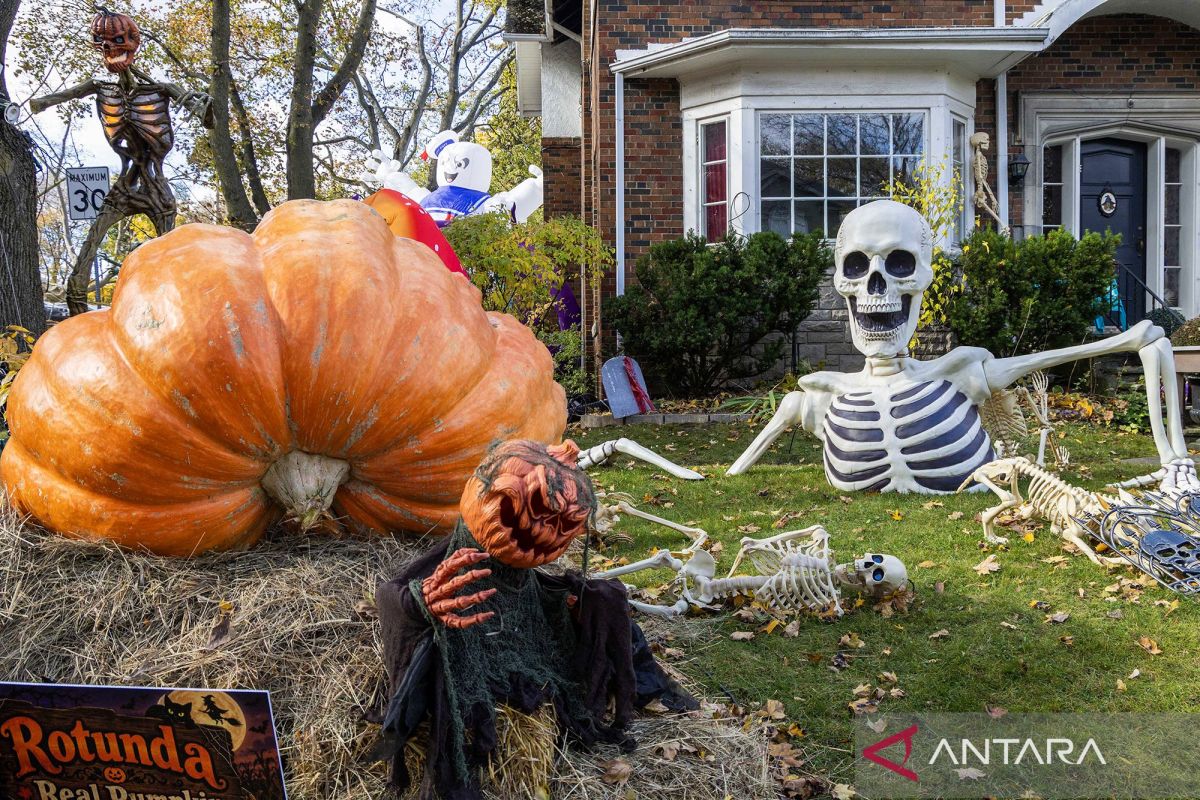
Jakarta (ANTARA) — Carved pumpkins with eerie faces are among the most iconic symbols of Halloween, which is celebrated every 31 October. The pumpkins are usually hollowed out, carved with eyes and a mouth, and fitted with a light or candle so they appear to glow from within.
The decorations, known as jack-o’-lanterns, are often placed outside houses, in windows or in corners of rooms to create a distinctive Halloween atmosphere. But the use of pumpkins as a symbol of the celebration began with an older European tradition involving a different vegetable.
The history is also linked to the legend of a man named Stingy Jack, who is said to have outwitted the Devil. The folk tale developed over centuries and eventually gave rise to one of today’s best-known Halloween traditions.
How, then, did pumpkins become synonymous with Halloween, and what is the connection between jack-o’-lanterns and the legend of Stingy Jack?
The name jack-o’-lantern is linked to an Irish folk tale about Stingy Jack, a man known for his cunning who managed to trick the Devil on several occasions.
In one version of the tale, Jack once trapped the Devil and made him promise not to take his soul to Hell. But when Jack died, he was not admitted to Heaven because of his behaviour during his life. The Devil also refused to admit him to Hell, bound by his earlier promise.
As a result, Jack is said to have been condemned to wander in darkness for ever. The Devil gave him a live coal to light his way. Jack placed it inside a hollowed-out turnip and used it as a lantern.
The story gave rise to the term “Jack of the Lantern”, which later became “jack-o’-lantern”.
It is important to note that the story of Stingy Jack is folklore, not a verifiable historical event. The tale has several versions, but it remains one of the popular explanations for the origin of the Halloween lantern’s name.
Before pumpkins became a Halloween symbol, people in Ireland and parts of the British Isles had a tradition of carving frightening faces into large turnips, potatoes or other root vegetables.
The custom was associated with Samhain, an ancient Celtic festival marking the end of the harvest and the start of winter. The festival took place at the transition from October to November and is one of the roots of Halloween traditions.
At the time, some people believed spirits and supernatural beings roamed during the change of seasons. Lanterns made from carved vegetables were used to light the darkness and were also believed to frighten or drive away evil spirits.
People hollowed out the vegetables, carved faces into them and placed candles inside. The lanterns were then carried on Halloween night or set around homes.
The National Museum of Ireland’s collection even includes a replica of a traditional turnip lantern known as a “ghost turnip”. It demonstrates that using turnips to make Halloween lanterns was once part of Irish tradition.
Pumpkins began to replace turnips after Irish immigrants brought the custom to North America in the 19th century.
In America, pumpkins were easier to find, particularly in autumn. Their large size and relatively easy-to-remove flesh made them more practical to carve than smaller, harder turnips.
People adapted the old custom by using pumpkins as the main material for Halloween lanterns. Their shape also allowed for larger and more varied carvings, from frightening faces to more creative designs.
As Halloween grew in popularity in the United States, carved pumpkins became increasingly associated with the celebration. The tradition later spread to other countries through popular culture, films, seasonal decorations and Halloween-themed activities.
Today, carving pumpkins is a common activity in the run-up to 31 October. As well as serving as decorations, it has developed into a family and community activity that encourages creativity in making different carved designs.
The meaning of jack-o’-lanterns at Halloween
Today, the jack-o’-lantern is an instantly recognisable Halloween symbol. Carved pumpkins are no longer associated solely with folklore or beliefs about spirits; they are also part of entertainment and creative activities.
Many families make pumpkin carving a tradition in the run-up to Halloween. Designs have become increasingly varied, ranging from frightening grins to popular characters and decorative patterns.
Electric lights are also used instead of candles, making the decorations more practical for use indoors and outdoors.
Source: jawawa.id (https://jawawa.id/newsitem/why-are-pumpkins-synonymous-with-halloween-the-history-of-the-jack-o-lantern-1794106343)
Originally published by Antara (Indonesian) (https://www.antaranews.com/berita/5839315/mengapa-labu-identik-dengan-halloween-ini-sejarah-jack-o-lantern), translated from Indonesian