
Why Are Level Crossings Prone to Accidents? Expert Explanation
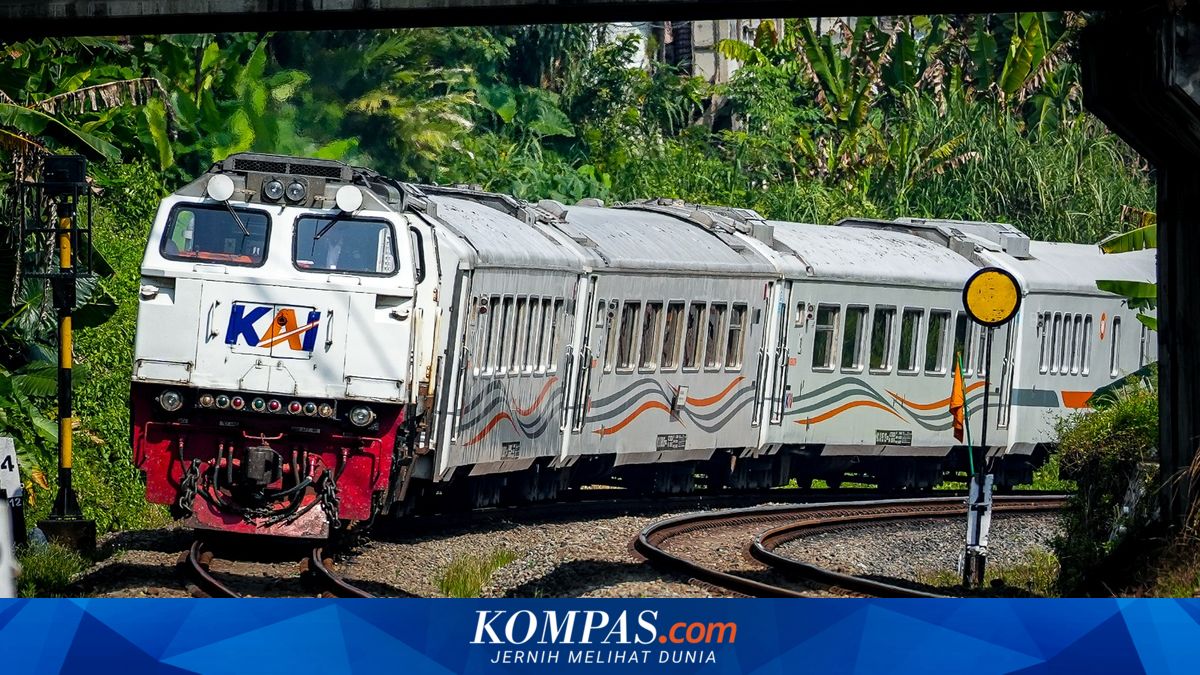
Accidents involving trains, such as the incident between the Argo Bromo Anggrek and KRL Commuter Line in East Bekasi, have once again spotlighted safety issues at level crossings. Citing the official website of the Institut Teknologi Sepuluh Nopember (ITS) on Sunday (3/5/2026), Prof Ir Hera Widyastuti MT PhD assesses that the condition of level crossings still poses a high risk to drivers and rail transport. So, what constitutes an ideal and safe railway crossing for drivers? The Professor from the ITS Civil Engineering Department provides a detailed explanation. Generally, the position of railway tracks, built slightly higher than the road surface, requires drivers to cross in an uphill position. This can lead to errors in driving technique. “Panic while climbing can cause drivers to mistakenly shift gears, risking the car engine stalling right on the tracks,” she states. Besides geometric factors, Hera also highlights the weaknesses of level crossings, which heavily depend on gates and human compliance. Trains classified as heavy trains can travel at speeds up to 110 kilometres per hour and cannot stop suddenly. Therefore, these level crossings become vulnerable points during direct encounters between vehicle traffic and the movement of trains. She encourages the government to promptly realise the construction of grade-separated crossing infrastructure, whether in the form of flyovers or underpasses. This infrastructure is considered effective because it completely severs the meeting point between motor vehicles and trains. “If we want to avoid direct collisions, grade-separated crossings are the main solution,” Hera asserts firmly.