
Why Are Invasive Fish Such as Red Devil and Suckermouth Catfish Difficult to Eradicate? Experts Explain
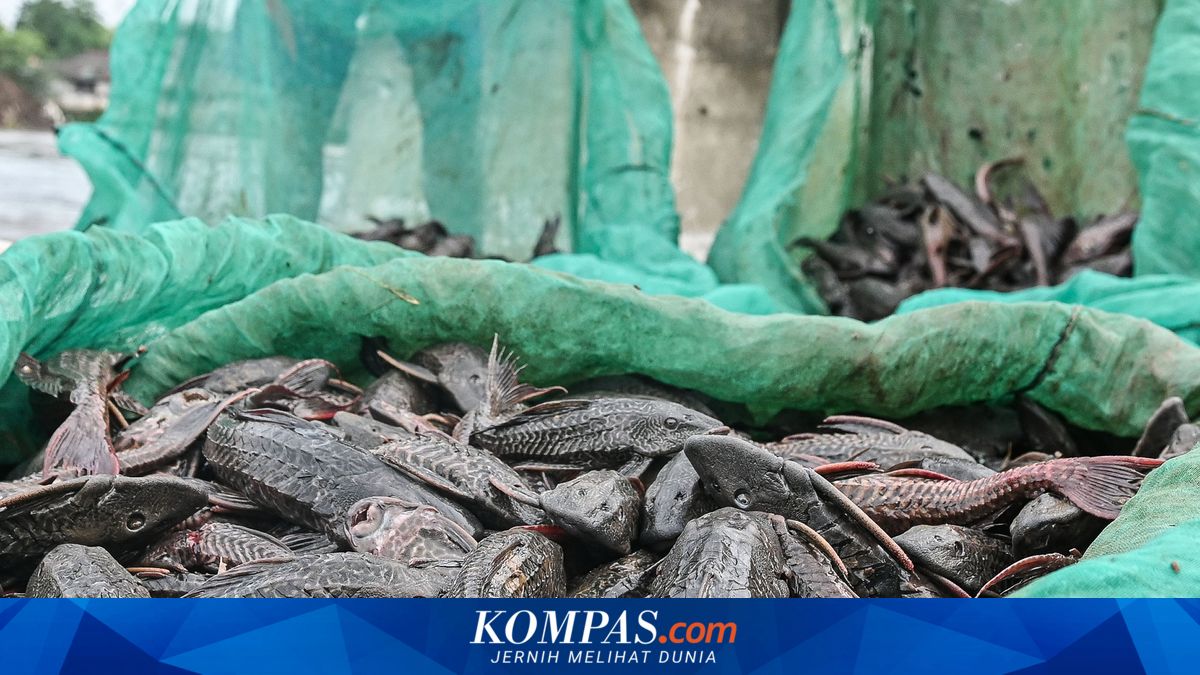
Indonesia’s invasive alien fish species are now a serious threat to the balance of ecosystems and national biodiversity. The latest data show that hundreds of non-native fish have entered public waters, and dozens of them have a very high potential for spread. According to the Intergovernmental Platform on Biodiversity and Ecosystem Services (IPBES), human activity has introduced more than 37,000 alien species to new regions worldwide. Alarmingly, more than 3,500 of these are categorised as invasive alien species that pose danger to nature and humans.
Common examples frequently found include the suckermouth catfish (Pterygoplichthys sp.), groups of cichlids such as the Red Devil, Gambusia affinis (mosquitofish), Nile tilapia, and even giant predators such as arapaima and alligator gar.
A lecturer from the Faculty of Biology at Gadjah Mada University (UGM), Donan Satria Yudha, S.Si., M.Sc., explained that invasive alien species are non-native organisms that enter a new ecosystem, then proliferate massively to threaten native species. Nevertheless, Donan emphasised that not all alien species automatically become invasive. “Although not all alien species have the potential to be invasive, for example koi, the potential still exists depending on the species’ adaptability and environmental conditions. Therefore vigilance and mitigation are still required,” he said on Friday (22 May 2026).
Referring to a literature review in the journal Sains Malaysiana (2022), at least 50 alien species were found in 72 lakes and 57 rivers spread across 28 provinces in Indonesia. Of these, 18 species were classified as invasive.
Cichlids were recorded as dominating lake ecosystems, while suckermouth catfish dominated river regions.
The introduction of these fish was largely triggered by human activity, particularly through the ornamental fish trade and aquaculture for consumption. Many owners release fish into open waters because they can no longer care for them, or because farmed fish are carried away by floods. There is also a history of introductions for biological control during colonial times, such as the release of Gambusia to eat malaria larvae.
However, their presence has proven disastrous for local fauna. Researchers from the Faculty of Biology at UGM assess that invasive species are dangerous because they disrupt food chains and compete for natural resources. Suckermouth catfish, for instance, damage habitats by eating aquatic plants and creating holes in the riverbed. Meanwhile, Gambusia has been observed attacking the larvae of endemic fauna.