
Why Are Hikers Often Told Not to Call Out Names in the Mountains?
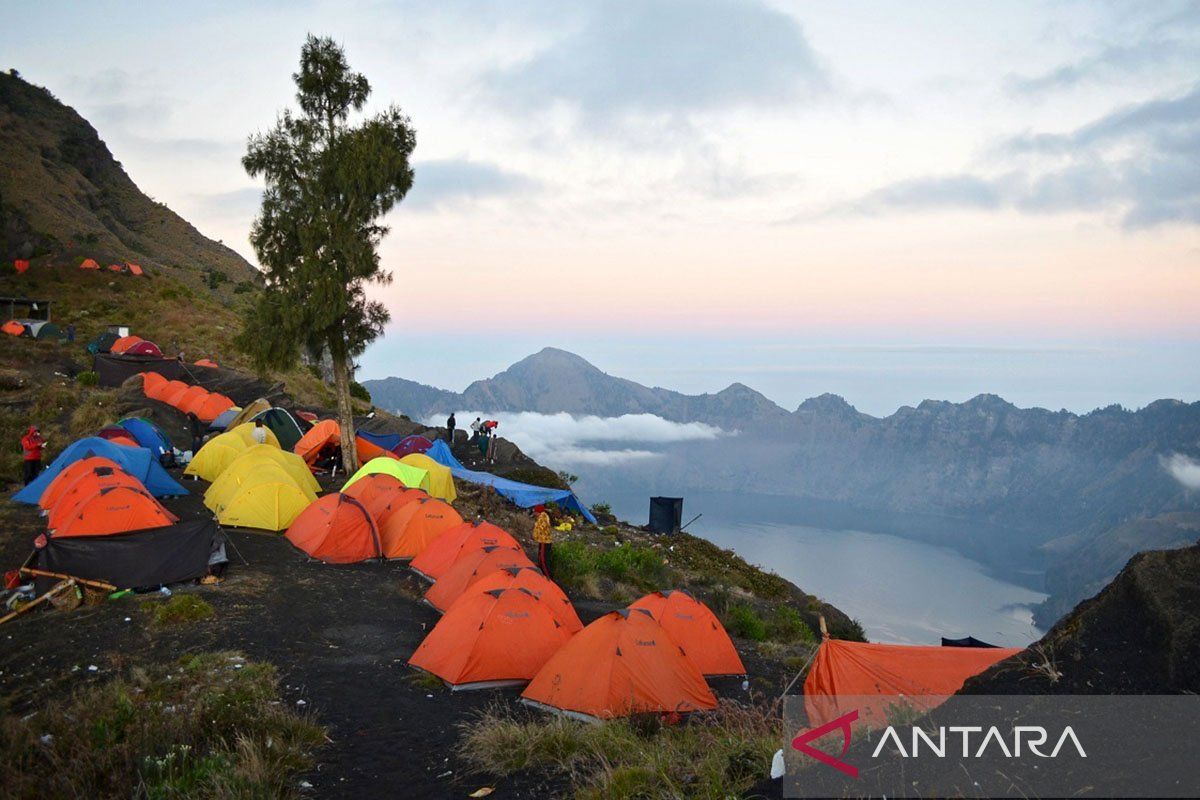
Jakarta (ANTARA) – Before setting off, hikers are often reminded of various taboos, such as avoiding careless speech, not taking objects and refraining from indecent behaviour. Less familiar to the general public is the advice not to call a companion’s name loudly in the mountains, particularly when crossing forested areas or quiet trails.
The belief is fairly well known among Indonesian communities and hikers. According to local lore, calling someone’s name in the mountains could summon a spirit resembling that person or cause hikers to lose their way.
Although it may sound supernatural, the prohibition can also be viewed in terms of culture, etiquette and safety during a hike. Why, then, are hikers often warned against calling out names carelessly in the mountains?
1. Linked to local beliefs
One of the reasons most often given for the prohibition is the belief that unseen beings inhabit mountainous areas.
In local stories, mountains and forests are considered places inhabited by beings other than humans. Hikers are therefore advised to be careful about what they say and how they behave in these areas.
Calling a companion’s name carelessly is believed to attract the attention of spirits. Some stories even say that these beings can imitate voices or take on the appearance of the person whose name was called.
Such beliefs vary from region to region, depending on local traditions and stories passed down through generations.
2. Avoiding misleading sounds
Other stories advise hikers not to respond immediately when they hear someone calling their name from an unknown direction.
In some beliefs, the voice may come from a disguised spirit or from a being trying to distract the hiker.
Scientifically, however, sounds in mountainous areas can be distorted by echoes, the shape of valleys, trees and other environmental conditions.
As a result, people may find it difficult to pinpoint the source of a sound. If they are not careful, hikers could follow a voice that leads them away from their route.
The prohibition on calling names is also connected to etiquette when entering areas that local communities consider sacred.
On Mount Rinjani in Lombok, for example, a number of taboos have been passed down through generations. The head of the Indonesian Mountain Guides Association (APGI) in West Nusa Tenggara has previously said that local residents advise hikers to be mindful of their words, including by not calling out companions’ names carelessly.
Under this tradition, hikers are encouraged to use specific sound signals when calling members of their group.
This shows that hiking rules are not always about natural conditions; they can also express respect for the culture of communities living around a mountain.
4. Keeping communication clear
Regardless of supernatural beliefs, loudly calling a companion’s name from a distance can also cause misunderstandings.
Wind, trees and other natural sounds can drown out a voice. A hiker who hears a call may not know who is calling or where the sound is coming from.
Hiking groups should therefore agree on communication signals before setting out. Depending on their needs, they can use whistles, short calls or communication devices.
Should the prohibition be taken seriously?
The prohibition on calling names in the mountains is part of beliefs and traditions found in local communities. There is no scientific evidence that saying someone’s name can summon spirits or cause hikers to become lost.
Even so, that does not mean hikers should ignore all the taboos observed in a particular area. Respecting local customs is part of behaving responsibly in the outdoors.
The most important thing is to prioritise safety. Do not follow a voice whose source is unclear, do not leave the group without a reason, and make sure communication is effective.
Ultimately, being mindful of one’s words while hiking is not only about believing supernatural stories. Showing respect, keeping noise to a reasonable level and understanding local rules are also important to ensuring a safe and comfortable journey.
Source: jawawa.id (https://jawawa.id/newsitem/why-are-hikers-often-told-not-to-call-out-names-in-the-mountains-1794210691)
Originally published by Antara (Indonesian) (https://www.antaranews.com/berita/5841127/mengapa-pendaki-sering-dilarang-memanggil-nama-saat-di-gunung), translated from Indonesian