
Why Are Electric Vehicle Insurance Premiums More Expensive? Here Are the Causes
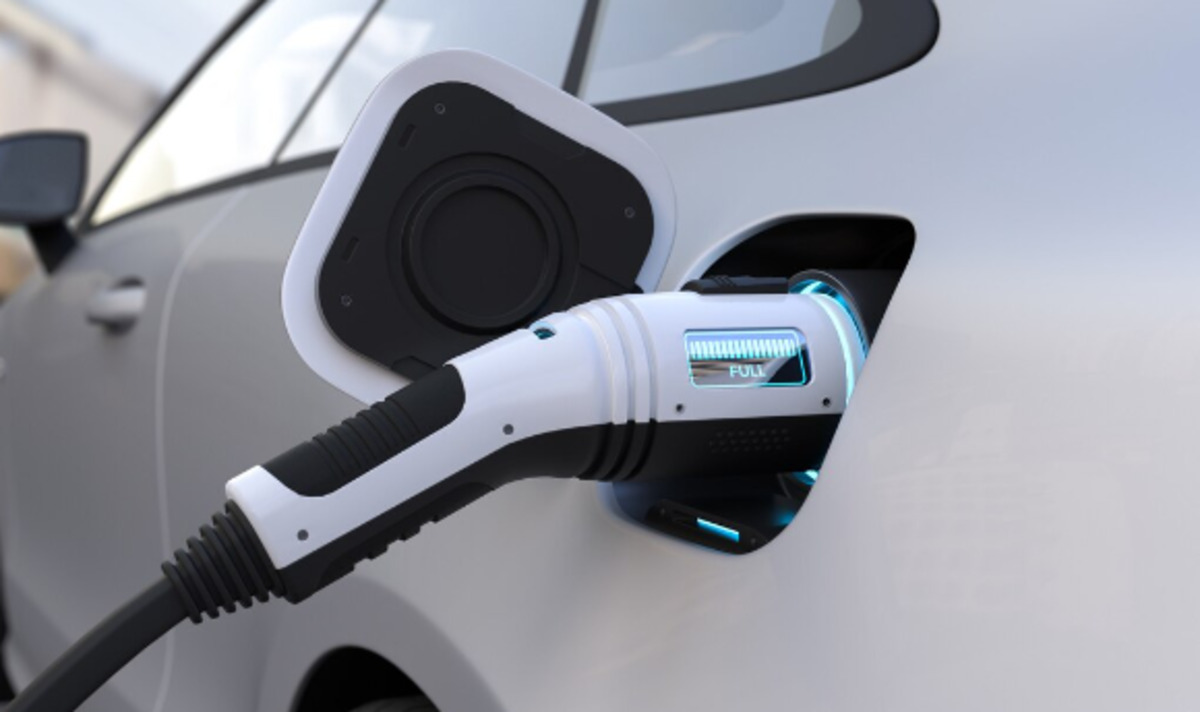
The trend of electric vehicle (EV) adoption in Indonesia continues to increase, driven by government incentives and growing environmental awareness. However, for prospective owners or users of electric cars, there is one financial aspect that often comes as a surprise: insurance premiums tend to be higher than those for internal combustion engine (ICE) vehicles.
This phenomenon is not without reason. Insurance companies employ different risk calculations for this relatively new technology. Here are several key factors causing electric vehicle insurance premiums to be more expensive in the current automotive market.
The most significant factor is component cost. The battery is the most expensive component in an electric vehicle, potentially accounting for 40% to 60% of the total vehicle price. If an accident occurs that damages the battery’s protective structure, the battery often must be replaced entirely rather than repaired.
Because the value of the insured asset is concentrated in a single component, insurance companies must adjust premiums to cover the potential for greater total loss if damage occurs to this primary power system.
Electric vehicles have a very different architecture from conventional cars. Bodywork or electrical system repairs require specialised handling. Currently, the availability of spare parts for certain EV models remains limited compared to petrol cars, which already benefit from an abundant spare parts ecosystem.
Dependence on original spare parts that must be imported or sourced directly from official manufacturers causes repair costs to swell. This automatically increases the claim ratio that insurance providers must bear.
Mechanics handling electric vehicles require special certification to work with high-voltage systems. General workshops typically lack the capability to handle technical damage on EVs. The limited number of partner workshops possessing expert technicians and specialised equipment makes repair service costs more expensive than ordinary workshops.
Almost all modern electric vehicles are equipped with advanced Advanced Driver Assistance Systems (ADAS). Sensors, cameras, and radars are often placed in areas vulnerable to impact, such as bumpers or windscreens. Minor damage in these areas requires not only physical replacement but also the recalibration of software systems, which is quite costly.
Insurance companies determine premiums based on statistical risk data. Since the population of electric vehicles in Indonesia is still much smaller than that of conventional cars, insurance companies do not yet have sufficiently long historical claim data to perform precise risk modelling. This uncertainty is often anticipated by setting higher premiums to maintain the stability of insurance funds.
Although insurance premiums are more expensive, electric vehicle owners often receive compensation through lower operational costs, such as cheaper charging costs compared to fuel and minimal routine servicing due to fewer moving parts.
The current high cost of electric vehicle insurance is a reflection of technology costs, the limitations of the repair ecosystem, and the high value of key components like batteries. However, as the EV population grows and the local component industry develops, it is expected that insurance premium costs will become more competitive in the future.
For those planning to purchase an electric vehicle, it is highly recommended to conduct thorough research into the insurance products offered and ensure that the policy includes specific protection for the battery and other electrical risks.