
Why 1 May Became Labour Day? The History of May Day to Official National Holiday in Indonesia
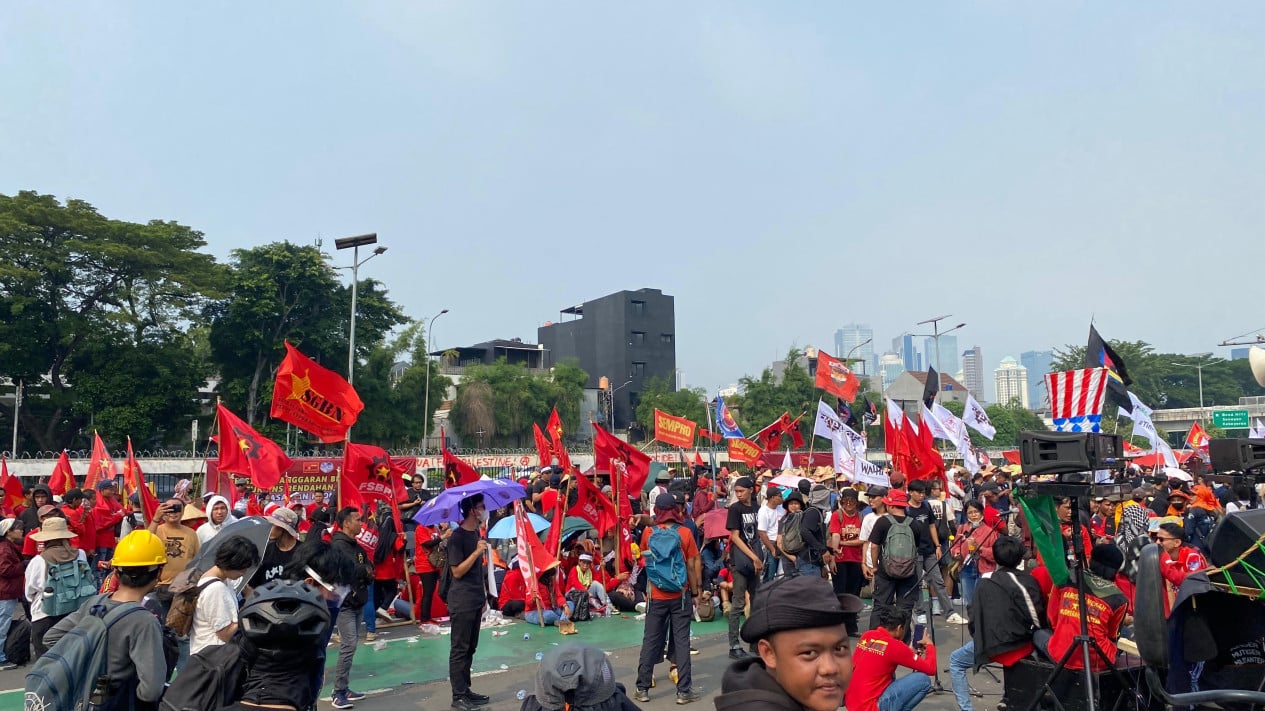
May Day, also known as International Labour Day, is a day commemorated to remember the historical struggles and achievements attained by workers and the labour movement. This day is observed every 1 May in many countries and has become a national holiday in several nations such as Indonesia, India, South Africa, China, Germany, France, Spain, Portugal, and Greece.
So, what is the origin of the International Labour Day commemoration?
According to Britannica, on Friday, 1 May 2026, May Day roots trace back to the United States, when workers at that time fought to reduce very long working hours, which could reach 14 to 20 hours per day. Over time, demands for shorter working hours were accompanied by requests for wage increases.
Entering the early 19th century, with the development of industry, workers began forming labour unions to advocate for more humane working conditions. In 1837, during President Martin Van Buren’s era, the government set a 10-hour workday for civil servants. However, this rule was not widely applied, so the struggle to implement it continued for several subsequent decades.
In the 1850s, these demands evolved into a stronger and broader call for an eight-hour workday. This movement not only occurred in the United States but also spread to other countries like Australia. In 1856, stonemasons in Australia successfully obtained the right to an eight-hour workday.
Entering the 1860s, these demands gained greater support. Labour union delegates in Baltimore formed the National Labor Union (NLU) in the United States. At its first meeting in 1866, the NLU proposed that an eight-hour workday be applied nationally. Although this organisation later disbanded, its ideas became the foundation for a broader labour movement. In the same year, the Geneva Congress of the First International also supported the demand for an eight-hour workday.
These demands then became an important part of the meaning of May Day. In 1884, the Federation of Organized Trades and Labor Unions of the United States and Canada, which later became the American Federation of Labor, established that starting 1 May 1886, the eight-hour workday would become the legal work standard.