
Whoosh Has Not Yet Turned a Profit from Tickets, but Is Indonesia Truly Losing Out?
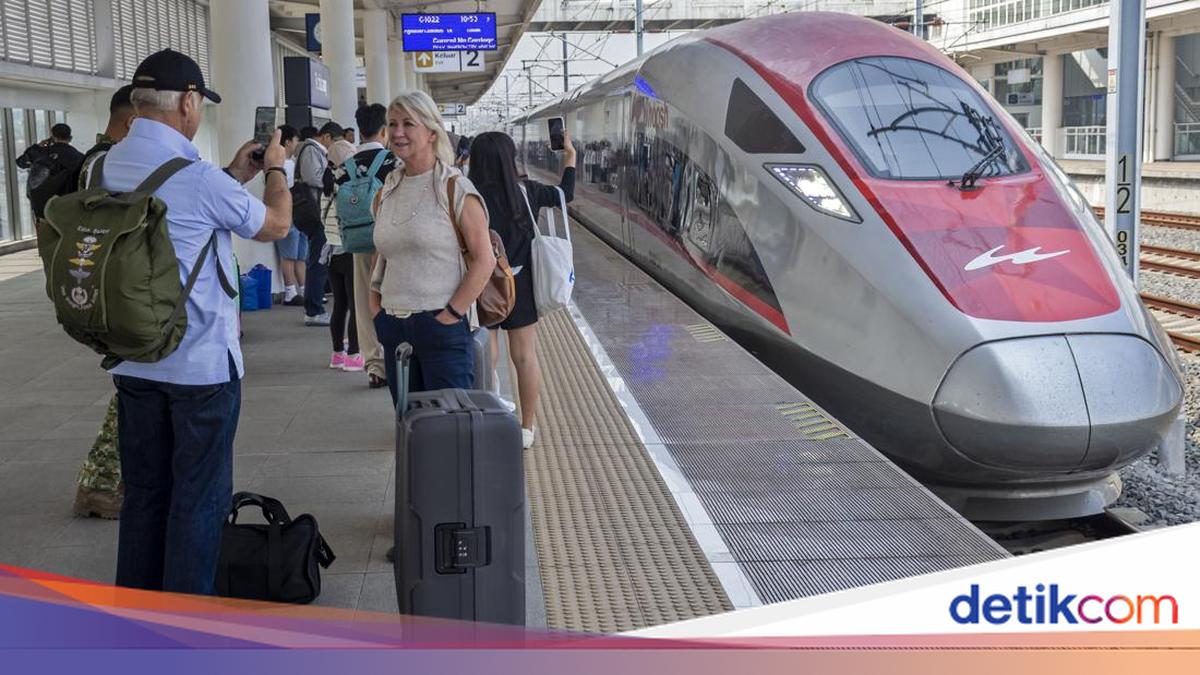
The debate surrounding the Whoosh high-speed rail almost always settles on a single question: is this project generating a profit? However, several industry players believe this question is too narrow to measure the true impact on Indonesia.
One perspective comes from the hospitality sector. CEO of Archipelago Hotels, John Flood, argues that assessing Whoosh solely through ticket sales risks obscating the much larger surrounding economic value. “Whoosh may never generate a profit if judged only as a railway company. However, that does not automatically mean Indonesia is experiencing a loss,” said John Flood.
This argument challenges the common public perception of large-scale infrastructure projects. According to this view, every Whoosh passenger represents a value greater than the price of the ticket they pay. These passengers may stay in hotels, attend business meetings, dine in restaurants, shop in Bandung, or even consider new investments. This revenue is real, but it flows to other parties rather than the rail operator.
Lessons from China
As a reference, China has built the world’s largest high-speed rail network, but many of its lines are not profitable if measured solely by their ability to recoup construction costs. Only the busiest routes connecting major population centres consistently generate profits. Other lines continue to operate due to their contribution to mobility, tourism, and regional economic integration.
As a benchmark, a figure of approximately 15 million trips per year is often cited as crucial for certain types of high-speed rail projects. Whoosh is currently below this. The high-speed rail service served approximately 6.06 million passengers in 2024 and 6.2 million in 2025, averaging about 17,000 passengers per day. To reach 15 million annual trips, approximately 41,000 passengers per day are required. “Indonesia cannot simply hope that passenger growth will eventually solve all financial issues. However, we should also not immediately conclude that Whoosh is a failed investment,” said John Flood.
Trips That Never Happened Before
One of the most significant benefits of rapid transport is the creation of new types of travel. When travel becomes easier, people do not just switch from cars or buses; they undertake journeys that were previously unthinkable. Residents of Jakarta may decide to spend a weekend in Bandung. Companies can hold management meetings in West Java. International tourists staying in Jakarta can add Bandung to their itineraries.
This is where broader economic benefits begin to emerge. For the hospitality industry, this opportunity comes with risks. Bandung has become one of Indonesia’s strongest domestic destinations, driven by its culinary, shopping, creative industry, and nature. Faster connectivity provides easier access to one of the largest urban markets in Southeast Asia.
However, faster travel can also turn overnight stays into day trips. More visitors do not automatically translate to more hotel room nights. Hotels and tourism operators must create reasons for tourists to stay longer and spend more through packages involving rail and hotel stays, culinary tours, concerts, weddings, wellness, and corporate meeting packages.
The Decisive Last Connection
Another issue lies in the ‘last mile’ connection. Although referred to as the Jakarta-Bandung high-speed rail, the route does not bring every passenger directly to the centre of Bandung City. Many passengers transfer at Padalarang to feeder trains, while others continue via road from Tegalluar.
“The train can complete the main part of the journey in 30 or 40 minutes, but if passengers lose another hour waiting, transferring modes, or facing traffic congestion, much of that benefit will be lost,” said John Flood. He believes Whoosh must be managed as an integrated tourism and economic corridor, rather than a standalone railway line.
Who Benefits?
This is where the structural issue lies. The railway company bears the construction costs and debt, while much of the financial benefit flows to other parties. Landowners enjoy increased property values, developers build new projects, hotels and restaurants receive customers, local governments collect taxes, and the public saves time.
Therefore, Indonesia should evaluate Whoosh through two transparent reports. The first report should measure conventional financial performance, such as revenue, operating costs, debt, and maintenance. The second report should measure national economic benefits, such as tourist spending, hotel room nights, employment, investment, land value, tax revenue, and time savings. Broad economic benefits should not be used to mask poor financial management or cost overruns. However, financial losses should not be unfairly assessed without considering the measurable value created elsewhere.
A More Appropriate Question
Asking whether Whoosh is profitable is a reasonable question. Indonesia needs to understand its financial burden and protect its state-owned enterprises. But that should not be the only question. The more important question is whether Whoosh can create enough tourism, business, investment, employment, and tax revenue to justify its cost to the nation.
“Indonesia must stop waiting for ticket sales to be the sole justification for this project and start actively capturing the revenue created by Whoosh, even if it is never received by the operator,” concluded John Flood.
Source: jawawa.id (https://jawawa.id/newsitem/whoosh-has-not-yet-turned-a-profit-from-tickets-but-is-indonesia-truly-losing-out-1789372310)
Originally published by travel.detik.com (https://travel.detik.com/cerita-perjalanan/d-8661608/whoosh-belum-bikin-untung-dari-tiket-tapi-benarkah-indonesia-rugi), translated from Indonesian