
Who Would Have Thought Maize Could Be Deadly, Including These 5 Plants
Plants are not always synonymous with safety and utility. Behind their attractive forms, some types of plants harbour toxic substances that can endanger humans if touched, inhaled, or ingested.
These toxins are part of the plant’s defence mechanism against environmental threats. The impacts cannot be taken lightly, ranging from causing irritation and nervous system disturbances, triggering hallucinations and heart problems, to resulting in death.
Discover Wildlife and the Royal Horticultural Society (RHS) have noted several plants classified as the most dangerous in the world. Some of these are known to grow or are cultivated in Indonesia.
Here are some toxic plants that are particularly relevant to Indonesia:
- Bintaro fruit (Cerbera odollam)
This plant is known by the nickname ‘suicide tree’. Its seeds contain cerberin, a compound that can interfere with heart function and, in severe cases, cause cardiac arrest. Discover Wildlife lists it as one of the most deadly plants in the world. This plant is highly relevant to Indonesia; Kew Science notes that Cerbera odollam grows naturally in Java, Sumatra, Sulawesi, and Kalimantan.
- Rosary pea (Abrus precatorius)
Its appearance is quite attractive. This plant produces red seeds with black tips that are often used as ornaments. However, its seeds contain abrin, an extremely potent toxin. If the seeds are damaged or chewed and the toxin enters the body, poisoning can trigger nausea, vomiting, convulsions, organ damage, and even death.
- Oleander (Nerium oleander)
Oleander is known as an ornamental plant with striking pink flowers. However, behind its appearance, this plant contains cardiac glycosides that can disrupt heart rhythm and function if swallowed. While not native to Indonesia, it has been introduced and grows in several regions, including Java and the Lesser Sunda Islands.
- Thorn Apple (Datura metel)
Datura sp. is a shrub from the Solanaceae family with trumpet-shaped white or purple flowers and round, thorny fruit. This plant is widely found in tropical regions, including Indonesia, and is often used as an ornamental plant due to its distinctive floral shape. Datura is also known in traditional medicine for various ailments such as bruises, toothaches, fever, rheumatism, gout, and asthma. However, it contains toxic compounds that can affect the nervous system and trigger hallucinations, heart palpitations, convulsions, and even life-threatening conditions if consumed or misused.
- Tobacco (Nicotiana tabacum)
Tobacco may be the most well-known plant on this list. All parts of the plant contain alkaloids, particularly nicotine and anabasine, with high concentrations in the leaves. Discover Wildlife notes that tobacco can be toxic if consumed directly. The RHS also highlights the much larger impact of tobacco products, which globally cause millions of deaths every year due to cigarette consumption and smoke exposure. This plant has long been commercially cultivated in Indonesia.
- Maize (Zea mays)
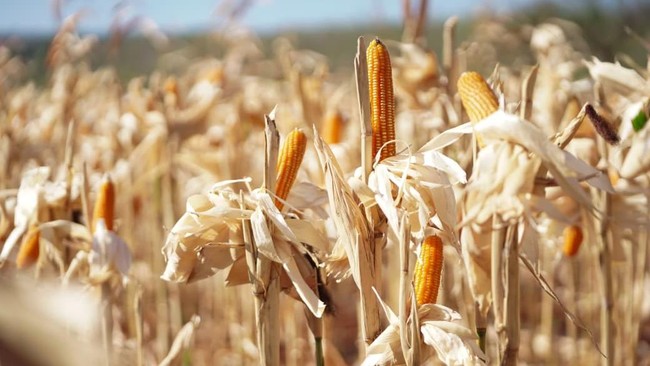
The inclusion of maize in this list of dangerous plants may sound surprising. However, maize is not toxic in the same way as Datura or Oleander. The RHS includes maize because long-term consumption of maize as a staple food without processing that allows the body to absorb vitamin B3 (niacin) can cause pellagra. This condition can trigger dermatitis, diarrhoea, neurological disorders, and even death if left untreated. This risk primarily arises if maize dominates the diet and niacin intake from other sources is very low. Therefore, consuming maize in a normal and balanced diet is not inherently dangerous. Maize is widely distributed, including in Java, Sumatra, Maluku, and the Lesser Sunda Islands.
Maize stored in humid conditions can also be contaminated by fungi that produce mycotoxins, such as aflatoxin and fumonisin, which represents one of the most serious risks because these toxins are not always visible on the maize. If maize is mouldy, discoloured, smells strange, or is rotting, it should not be eaten, as the cooking process does not always eliminate all mycotoxins. Meanwhile, raw maize is not necessarily toxic, but it is harder to digest and potentially carries microbial contamination if not handled properly.
Toxic, Yet Still Possessing Economic Value
Interestingly, being toxic does not mean these plants lack economic value. In fact, some plants on this list are important commodities. Tobacco is the clearest example; Nicotiana tabacum is the primary commercial tobacco species widely cultivated in many countries, including Indonesia. Maize has an even greater economic value as it serves as food, animal feed, and an industrial raw material. Oleander also holds value as an ornamental plant, while the rosary pea has been used for ornaments and jewellery due to its attractive seeds, despite the risks posed by its toxicity.
This means that a plant’s status as a toxic species does not automatically render it useless. The difference lies in how the plant is utilised and which parts pose a danger. The toxins that serve as a natural defence mechanism can coexist with economic, food, or ornamental value.