
WHO Warns Heatwaves Can Be Deadly, Here's How to Protect Yourself
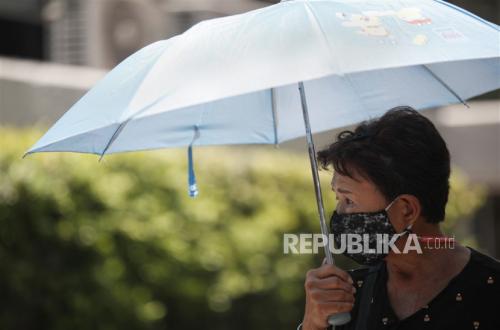
Scientists have concluded that the heatwaves affecting Europe, the United States, and other parts of the world in recent years would not have occurred without climate change triggered by human activity. In its latest review, the World Health Organization (WHO) stressed that climate change not only damages the environment but also poses a serious threat to human health. The WHO warned that this summer’s heatwaves could increase the risk of health problems and death. In its review on extreme heat and health, the WHO stated that heatwaves often trigger health emergencies. Furthermore, extreme heat also impacts the economic and social sectors, such as reducing productivity and the ability of people to work. “Heatwaves can also burden the capacity of health services. Power outages during heatwaves will disrupt health services, transport, and water infrastructure,” the WHO said in its review on Tuesday (14/7/2026). The WHO identified the elderly as the group most vulnerable to the effects of heatwaves. Very high temperatures can worsen various non-communicable diseases common among older age groups, such as respiratory diseases, heart disease, diabetes, dementia, and eye and bone disorders. According to the WHO, many cities around the world have not been designed to mitigate the effects of extreme heat. The reduction of green open spaces due to massive development and the use of heat-absorbing building materials, such as steel roofing, make people more vulnerable to high temperatures. Therefore, the WHO reminded the health sector to adapt to the increasing incidence of heatwaves. “Health workers and the public are still insufficiently aware of the magnitude of health risks from extreme heat. Health workers need to adjust guidelines, planning, and interventions for heat exposure, while anticipating a surge in patients during heatwaves,” the WHO said. The WHO emphasised that various simple, inexpensive, and easy-to-implement measures by individuals, communities, organisations, and governments can save many lives. Extreme heat can affect health, both directly and indirectly. Groups working outdoors, such as construction workers, street vendors, farmers, and other field workers, are among those most at risk of exposure to extreme heat. The WHO explained several conditions that make heat dangerous for the body. First, when the body is unable to release metabolic heat because the environment is too hot or humid. Second, the use of clothing that inhibits the body’s heat release. Third, an extreme surge in environmental temperature. When the body loses its ability to regulate its own temperature, the risk of heat exhaustion and heatstroke increases. The body’s continuous effort to cool itself also places an additional burden on the heart and kidneys. As a result, heatwaves can worsen chronic diseases, such as heart disease, respiratory disorders, and diabetes, and increase the risk of kidney failure. “Deaths and hospitalisations due to extreme heat can occur very rapidly, even on the same day or a few days afterwards. Therefore, preventive measures must be taken immediately when a heatwave warning is issued,” the WHO said.