
WHO urges protection of children and adolescents from tobacco addiction
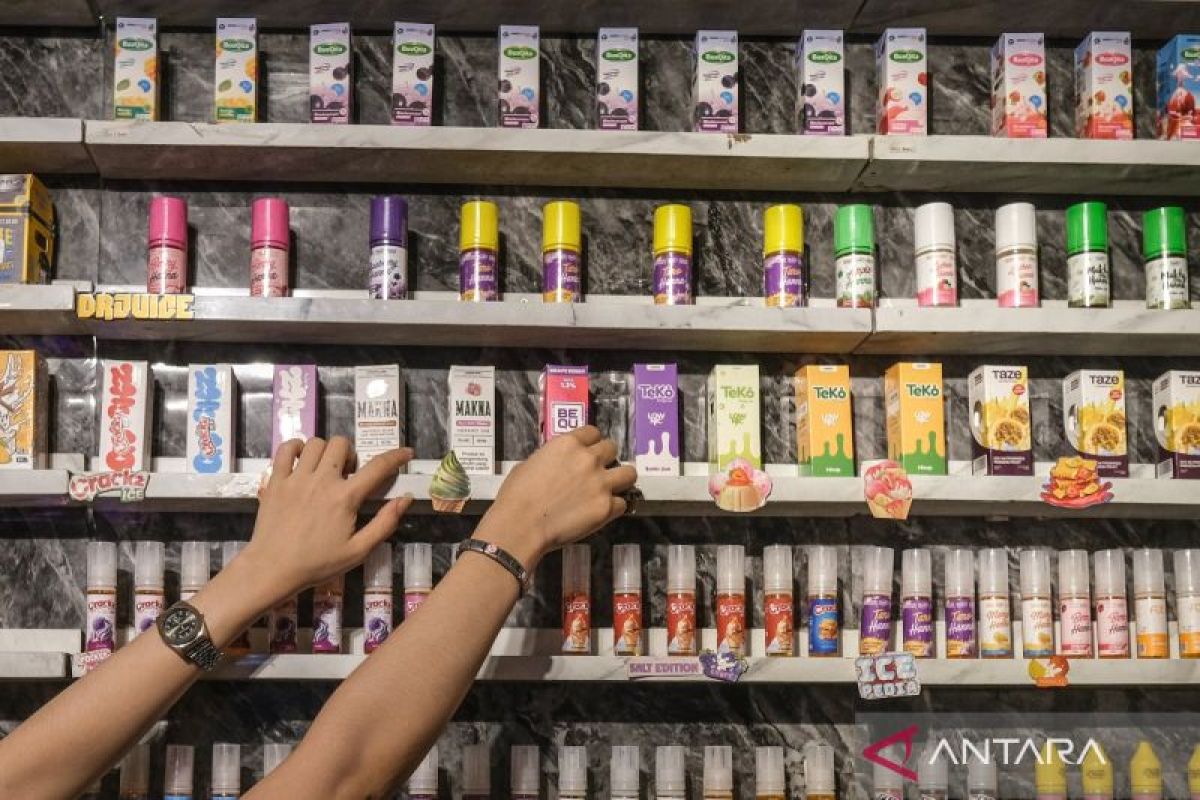
JAKARTA (ANTARA) – The World Health Organization (WHO) is urging the Indonesian government to enhance protection for children and adolescents from tobacco and nicotine addiction, including banning e-cigarettes and implementing graphic health warnings on packaging. ‘E-cigarettes and other nicotine products are dangerous. They are deliberately designed to attract young people and create addiction. Protecting the youth from nicotine addiction is crucial for Indonesia’s future,’ said WHO Indonesia Representative Dr N Paranietharan in a statement on Friday. Therefore, WHO Indonesia strongly supports a complete ban on e-cigarettes as a necessary step to prevent rising usage among young people, who are actively targeted by the industry. By taking this action, Indonesia would join an increasing number of countries that have taken firm measures against such products. Globally, more than 40 countries have banned vaping, including several Southeast Asian nations such as Singapore, Brunei Darussalam, Thailand, Myanmar, Vietnam, Laos, Cambodia and Timor-Leste. WHO also urges the immediate enactment of the draft Health Ministry regulation on tobacco packaging and labelling. If approved, the regulation would mandate larger graphic health warnings on tobacco packaging. Strong and prominent warnings have been proven effective in reducing the appeal of tobacco and nicotine products and raising awareness of their dangers. ‘This is an urgent obligation as Government Regulation No. 28 of 2024 mandates implementation by end-July 2026, less than two months away,’ Paranietharan said. ‘These bold steps will decisively break the cycle of addiction. Indonesia must act now. Let us end the dangers of tobacco and nicotine and protect future generations,’ he added. Indonesia continues to face high tobacco usage rates, while new threats emerge as more young people use e-cigarettes and other nicotine products. According to the 2023 Global School Health Survey, 20% of Indonesian students aged 13-17 use tobacco and 12% use e-cigarettes. Fruit and candy flavours, colourful packaging and sleek designs are deliberately used to attract young users and make the products appear less harmful. Aggressive marketing, including via social media and influencers, is increasingly normalising vaping among children and teenagers. Nicotine exposure during adolescence can harm brain development and increase the risk of long-term addiction. Scientific evidence shows vaping can act as a gateway to smoking and lead to dual use, thereby increasing health risks rather than reducing them.
Source: jawawa.id (https://jawawa.id/newsitem/who-urges-protection-of-children-and-adolescents-from-tobacco-addiction-1780065661)
Originally published by Antara (Indonesian) (https://www.antaranews.com/berita/5586943/who-dorong-pelindungan-anak-dan-remaja-dari-kecanduan-tembakau), translated from Indonesian