
WHO Report: Unhealthy Environments Cause 1.7 Million Child Deaths Annually
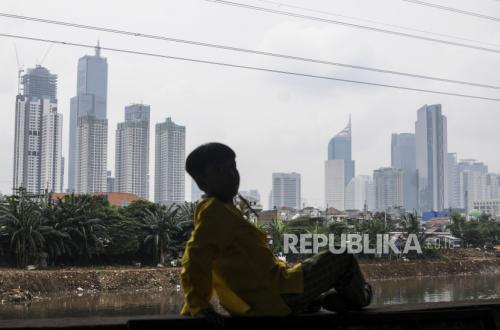
Every year, 1.7 million children under the age of five die as a result of unhealthy environments, according to a report by the World Health Organisation (WHO). Of that number, approximately 570,000 children die from respiratory infections triggered by air pollution. A further 360,000 child deaths are caused by diarrhoea due to poor water quality, 270,000 are linked to neonatal conditions such as premature birth, 200,000 result from unintentional injuries, and another 200,000 are due to malaria, which is becoming more aggressive owing to global warming. Paediatrician and member of the Indonesian Paediatric Society’s (IDAI) Environmental Health and Climate Change Task Force, Dr. Riyadi, stated that children are a group that is highly vulnerable to unhealthy environments, particularly air pollution. This is because children’s immune systems are not yet fully developed, making them more susceptible to infections. Children, who have immature immune systems, are more prone to infections. Outdoor activities increase exposure to air pollutants such as PM2.5 and PM10, which can weaken the body’s defences and trigger respiratory infections and other diseases, Dr. Riyadi said during a webinar held by the Indonesian Paediatric Society. Dr. Riyadi revealed that based on the average PM2.5 concentration throughout 2024, measured in micrograms per cubic metre, air pollution in Indonesia is extremely alarming. Cities with the highest pollution levels include South Tangerang with a figure of 61.1 micrograms per cubic metre, followed by Cikarang, Depok and Bekasi. According to Dr. Riyadi, the respiratory system is the organ most directly exposed to air pollution. Exposure to pollutants can increase allergic sensitisation, raise immunoglobulin E (IgE) levels, trigger bronchial hyperresponsiveness and worsen asthma attacks. Furthermore, air pollution can disrupt children’s lung development, decrease lung function and reduce the immune system’s ability to fight microbes. Clinical impacts that may arise include asthma exacerbations, chronic obstructive pulmonary disease (COPD), respiratory infections, chronic bronchitis, chronic laryngitis and allergic rhinitis. Exposure to air pollution can also disrupt the natural barrier or defence of the respiratory tract. Exposure to PM10 and nitrogen oxides, which largely originate from vehicle traffic, is associated with decreased lung function and an increased risk of asthma and rhinitis, said Dr. Riyadi. In addition, children’s immune systems can be affected through disruption of immune cell balance, increased oxidative stress and dysfunction of various body defence cells such as T cells and macrophages. Air pollution causes a change in macrophage polarity by increasing the activity of pro-inflammatory M1 macrophages and decreasing the activity of anti-inflammatory M2 macrophages. As a result, the immune response is disrupted, making individuals more susceptible to respiratory infections such as influenza and pneumonia, having a lower response to pathogens, experiencing longer illness duration and a reduced ability of the body to fight microbes and viruses, said Dr. Riyadi.