
WHO Needs Nine Months to Create an Ebola Vaccine
The World Health Organization (WHO) estimates it will take up to nine months before a vaccine to tackle the Bundibugyo strain of Ebola is ready for use. At present, two vaccine candidates are under development, neither of which has passed clinical trials.
To date, there have been about 600 suspected cases with 139 deaths. The numbers are expected to rise due to delays in early detection. Of these, 51 cases have been confirmed in the Democratic Republic of Congo (DRC) as the outbreak’s epicentre, with two cases in neighbouring Uganda.
Although the WHO has declared a Public Health Emergency of International Concern (PHEIC), the situation has not been classified as a pandemic.
‘The risk is high at national and regional levels, but low globally,’ said Dr Tedros Adhanom Ghebreyesus, WHO Director-General, at a press conference in Geneva.
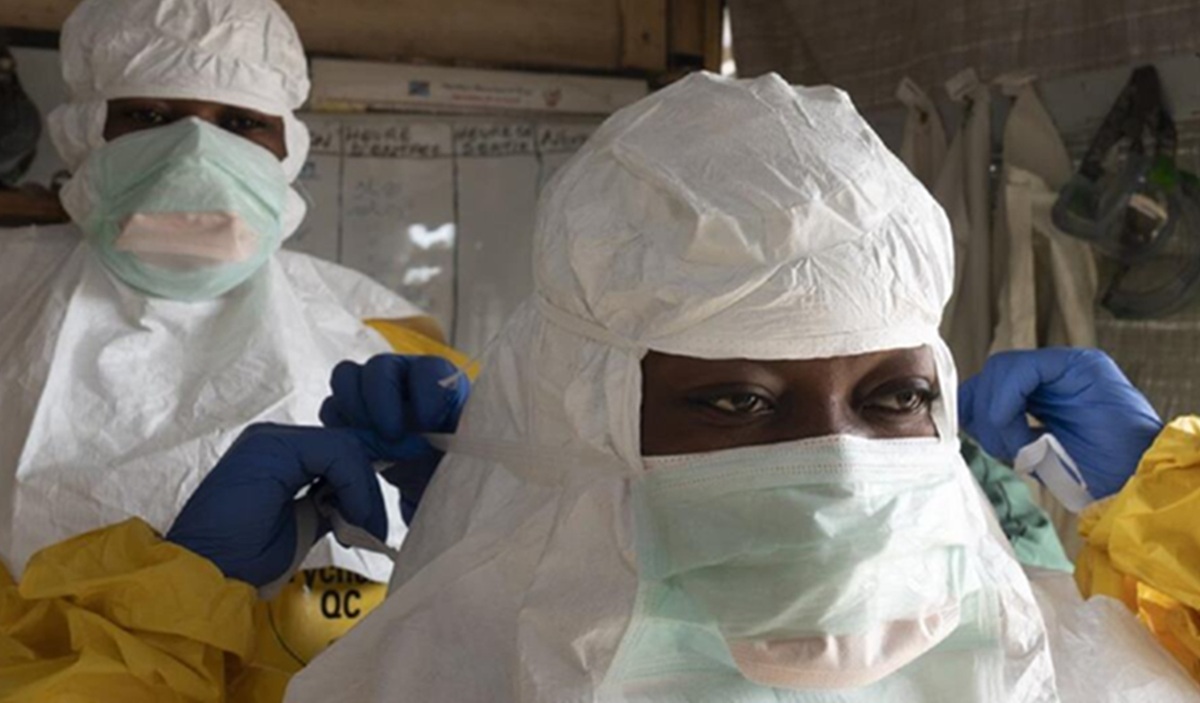
Ground conditions are increasingly overwhelmed. The first identified case was a nurse in Ituri Province, DRC, who died on 24 April. The virus spread rapidly, claiming the lives of healthcare workers due to insufficient personal protective equipment (PPE).
‘Our facilities are full of suspected cases. We have no more room. It shows how dire the situation is right now,’ said Trish Newport, MSF Emergency Programme Manager.
Rare Bundibugyo Variant Challenge. Ebola typically spreads through direct contact with bodily fluids. The Bundibugyo variant being seen now is extremely rare and has not been seen in over a decade. Its characteristics make management far more difficult than the more common Zaire variant.
WHO adviser Dr Vasee Moorthy explained that one of the most promising vaccine candidates could require six to nine months. Meanwhile the second candidate, using a platform similar to the AstraZeneca Covid-19 vaccine, could be ready for clinical trials within two to three months, though its effectiveness remains uncertain.
To help curb transmission, the UK government has announced up to £20 million in funding. The new money will be allocated to frontline medical staff, enhanced infection control, and tighter surveillance of the disease’s spread.