
WHO Issues Comprehensive Guidelines for Filovirus Management: Focus on Ebola and Marburg
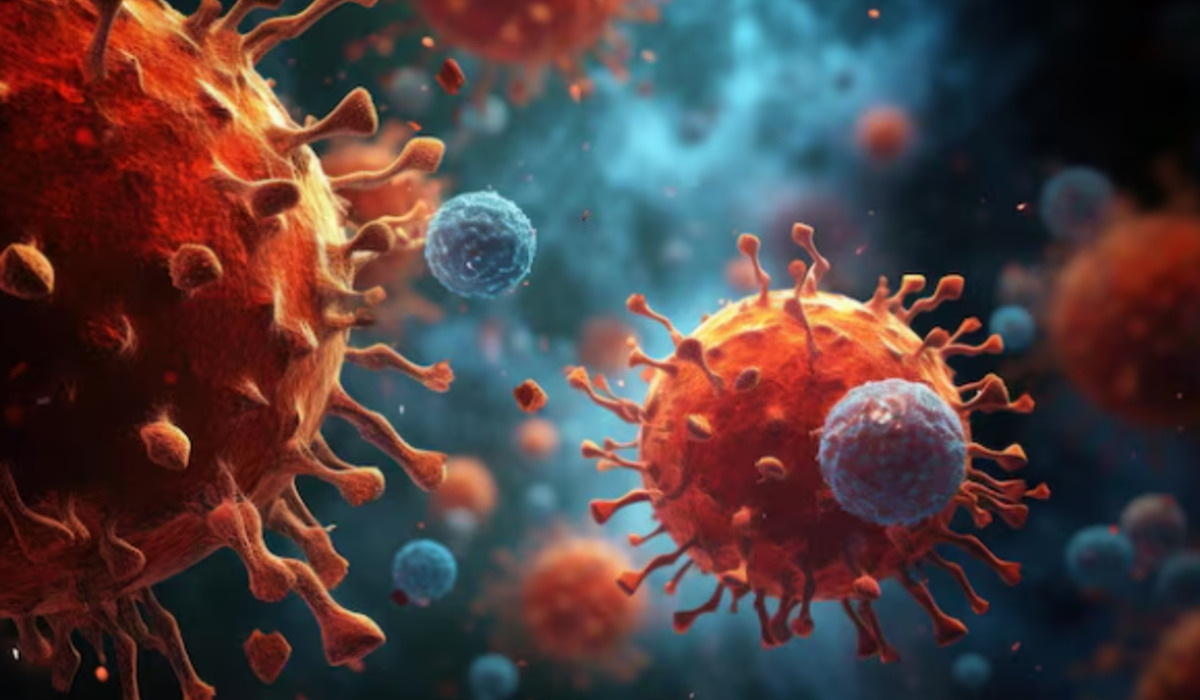
The World Health Organisation (WHO) has officially released its latest comprehensive guidelines on the management of diseases caused by Filoviruses, a family of deadly viruses that includes the Ebola virus and Marburg virus. This step was taken to strengthen global preparedness in facing outbreaks with a very high case fatality rate (CFR), which in some instances can reach 90%.
These guidelines are designed as a gold standard for medical personnel, public health authorities, and policymakers worldwide. The primary focus is on early detection, optimised clinical care, and strict infection control to break the chain of transmission in communities and healthcare facilities.
Filoviruses are a family of viruses that cause severe viral haemorrhagic fevers. The two most well-known members of this family are Ebola and Marburg.
In this latest document, the WHO emphasises several strategic pillars in Filovirus disease management. The WHO recommends the provision of early, aggressive supportive care, including rehydration (oral or intravenous) and strict monitoring of organ function. The use of monoclonal antibody therapies that have been approved for Ebola (such as mAb114 and REGN-EB3) is now the standard of care in regions with access to these medicines.
Given the high risk of transmission in healthcare facilities, the guidelines tighten protocols for the use of Personal Protective Equipment (PPE). The WHO stresses the importance of rapid patient triage and immediate isolation for individuals showing symptoms of viral haemorrhagic fever.
Learning from outbreaks in West Africa and the Democratic Republic of the Congo, the WHO asserts that the success of outbreak management depends heavily on community trust. The guidelines include procedures for safe and dignified burials as well as education on transmission risks without creating stigma.
To date, a vaccine for Ebola (Ervebo) is available and has proven effective, while a vaccine for the Marburg virus is still in the development and clinical trial stages.
For countries outside endemic regions, the WHO advises strengthening laboratory capacity for molecular detection (PCR) and training for officers at national entry points (airports and seaports). Early detection is key to preventing cross-border spread that could trigger a new pandemic.