
WHO: Infectious disease outbreaks becoming more frequent, with wider impacts
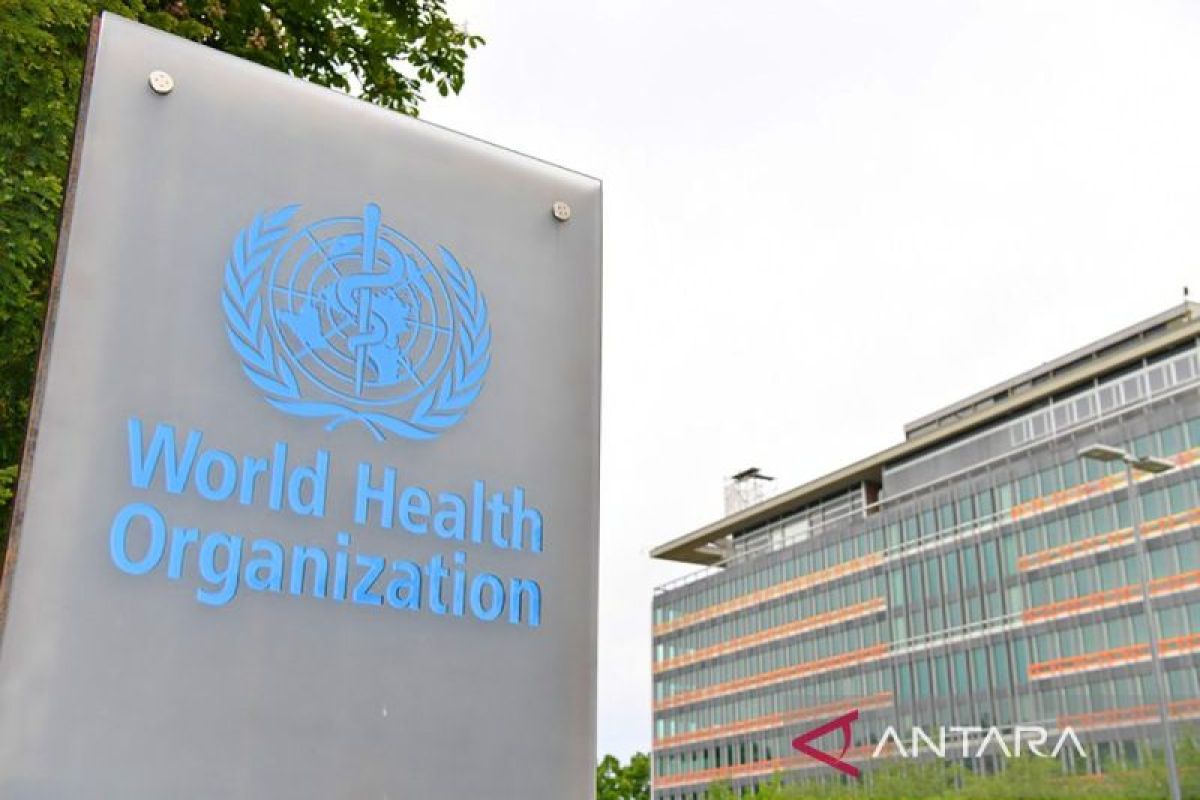
The Global Preparedness Monitoring Board (GPMB), established by the World Health Organization (WHO) and the World Bank, has stated that infectious disease outbreaks worldwide are occurring more frequently and causing greater impacts. A recent report on pandemic resilience released by the GPMB on Monday (18/5) confirms that the world is not any safer from the threat of pandemics.
“As the frequency of infectious disease outbreaks increases, so does their impact—encompassing health, economic, political, and social dimensions—alongside increasingly limited recovery capacities,” the report stated. The Board, which was formed following the Ebola outbreak in West Africa between 2013 and 2016, warned that a decade of investment has been insufficient to offset the rising risks of pandemics.
“Following the surge in COVID-19 response funding, development assistance for health has returned to 2009 levels and is declining as part of overall development aid,” the report noted. The document also emphasised the importance of equitable access to life-saving vaccines, tests, and treatments through a global pandemic agreement.
On Sunday, the WHO declared a public health emergency of international concern, though not yet categorised as a pandemic, following more than 250 suspected cases and 80 deaths suspected to be linked to an Ebola outbreak in Congo. The outbreak is caused by the Bundibugyo strain of the Ebola virus, which differs from the Zaire strain that triggered the West African outbreak ten years ago.