
WHO: Indonesia Expands Child Immunisation Coverage and Closes Gaps
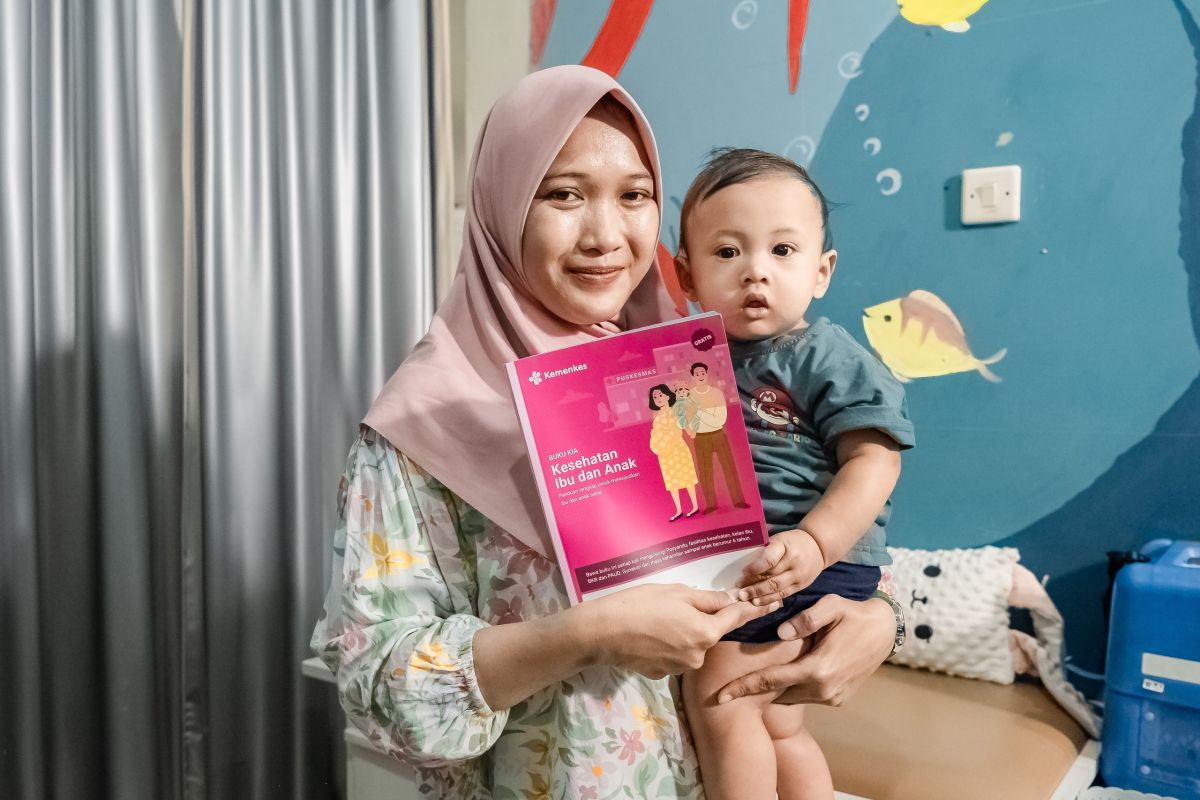
The World Health Organization (WHO) stated that Indonesia has succeeded in expanding child immunisation coverage and closing the access gap to vaccines across all regions. In the 2025 WHO/UNICEF Estimates of National Immunization Coverage (WUENIC), Indonesia managed to increase the coverage of the third dose of the vaccine for diphtheria, tetanus, and pertussis (DTP3) as well as the third dose of the hepatitis B vaccine. Coverage for these vaccines increased from 78 percent in 2024 to 82 percent in 2025, meaning that in 2025, more than 3.6 million children in Indonesia received the complete series of vaccines essential for protecting them from these serious diseases.
“Indonesia’s progress shows what can be achieved when we work together to reach children with life-saving vaccines,” said WHO Representative for Indonesia Dr. N. Paranietharan in Jakarta on Tuesday. “Sustaining progress requires stronger routine immunisation services, focused efforts to reach underserved populations, and continued support for quality immunisation programmes. Together, we can achieve the Immunization Agenda 2030 goal of leaving no one behind,” Paranietharan stated. The number of children who have never received a single dose of vaccine decreased from 748,000 in 2024 to 657,000 in 2025, meaning tens of thousands more children now have access to vaccines and their protective benefits.
Meanwhile, UNICEF Indonesia Representative Maniza Zaman said immunisation is one of the most effective public health interventions and is a cornerstone of every child’s right to good health. Although overall immunisation coverage has improved, there are still disparities in progress depending on the type of vaccine. According to her, coverage for several other vaccines has remained unchanged or even declined, meaning some children are not receiving essential protection against diseases such as tuberculosis, pneumonia, and measles. To continue this progress, WHO and UNICEF are continuing to support the Indonesian government in reaching unimmunised children, particularly in underserved and hard-to-reach communities.