
WHO identifies Ebola vaccine and treatment candidates for large-scale clinical trials in DRC
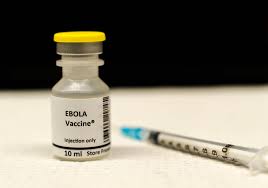
The World Health Organization (WHO) has officially identified several experimental treatments and vaccine candidates to enter clinical trials for the Bundibugyo strain of Ebola. This follows a rise in cases in the Democratic Republic of Congo (DRC) and cross-border spread to Uganda in May 2026.
Currently, no globally approved medical therapies exist for Bundibugyo Ebola virus infections. Therefore, WHO has prioritised three experimental treatments for immediate patient trials.
In addition to treatments, WHO has highlighted Obeldesivir (a Gilead oral antiviral) as a priority for post-exposure prophylaxis. The drug is intended for individuals who have had close contact with confirmed patients to prevent symptom onset.
For prevention, WHO experts are evaluating two vaccine candidates deemed most ready for field testing:
A single-dose vaccine is considered the most promising immunologically, but WHO estimates it will take 7 to 9 months before clinical trials can commence due to manufacturing and logistics constraints.
The vaccine developed by the University of Oxford in collaboration with the Serum Institute of India is expected to be ready sooner, within 2 to 3 months. Researchers are currently gathering additional animal study data before administering it to human volunteers in outbreak areas.
WHO Director-General Dr Tedros Adhanom Ghebreyesus stated that the success of these clinical trials depends on rapid contact tracing and community willingness to participate. Over 1,000 suspected cases have been reported in Ituri, DRC, with a fatality rate of approximately 24.6%.
The WHO continues to collaborate with the DRC government, Uganda, and the Africa CDC to ensure research protocols adhere to the highest ethical standards to halt this global health threat.