
WHO highlights importance of early detection amid Ebola vaccine research
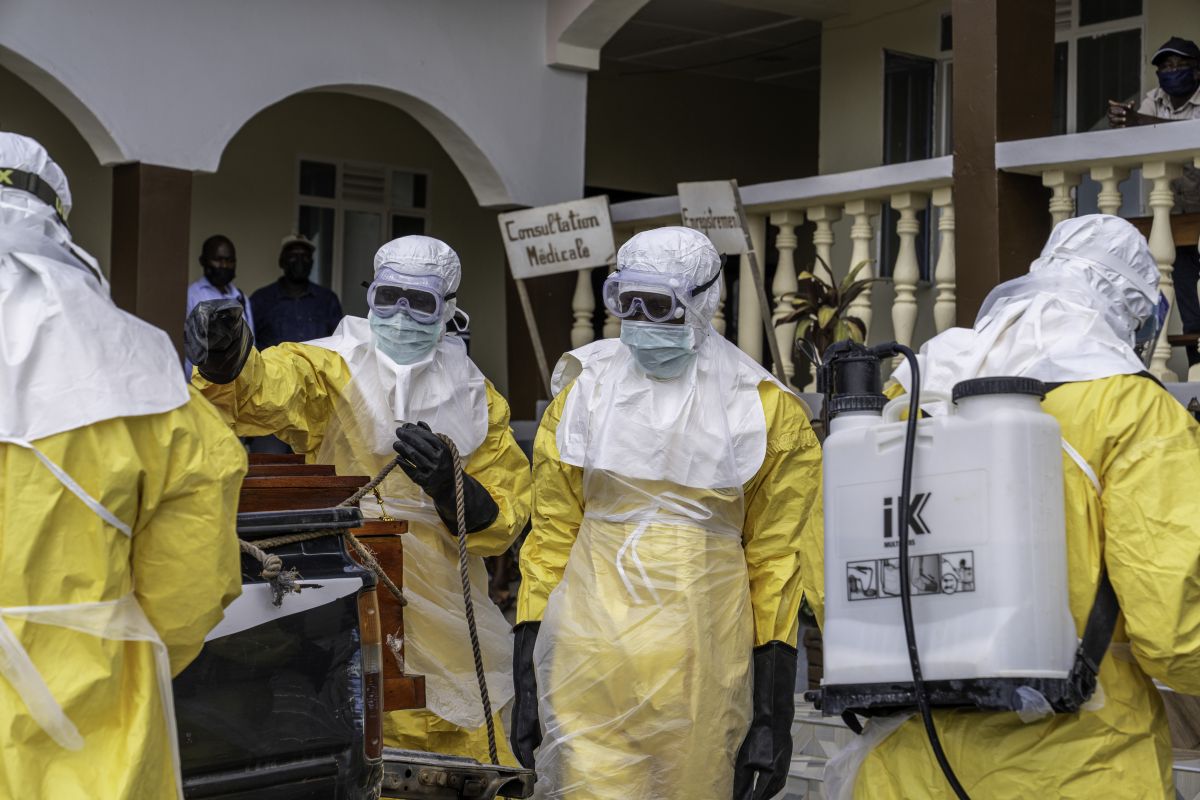
Geneva - With the ongoing Ebola outbreak caused by the rare Bundibugyo strain in the Democratic Republic of Congo (DRC) and Uganda, the World Health Organization (WHO) said on Friday (29 May) that early detection and community mobilisation remain crucial to saving lives, as treatments and potential vaccines are still under assessment. As of Thursday (28 May), WHO estimated 906 suspected cases in the DRC, including 223 suspected deaths. Confirmed cases totalled 125 in Ituri, North Kivu, and South Kivu provinces, with 17 confirmed deaths. Uganda has reported seven confirmed cases, including one death, all linked to the DRC outbreak with no evidence of community transmission so far. Anais Legand, a WHO technical officer, told journalists at a briefing in Geneva: ‘This disease can spread to you when caring for someone — your husband, child, or mother’ — emphasising that community involvement is vital to halting transmission. Medically, WHO has gathered experts to review potential response measures. Two vaccine candidates have been identified for evaluation once doses are available, Legand said. For prevention, the oral antiviral obeldesivir is prioritised in clinical trials as post-exposure prophylaxis for confirmed case contacts. For treatment, three therapeutic candidates — monoclonal antibodies MBP 134 and maftivimab, and antiviral remdesivir — are prioritised for clinical trials. ‘We can scale up optimised intensive care and support communities in recognising symptoms earlier,’ Legand said, adding that the fatality rate for this strain ranges from 30 to 50 per cent based on previous outbreaks. WHO continues to collaborate with DRC and Ugandan authorities amid complex humanitarian conditions, including conflict and access restrictions in Ituri province. WHO Director-General Tedros Adhanom Ghebreyesus called on armed groups to observe a ceasefire so health workers can reach affected communities.