
WHO: Ebola Outbreak Spreading Rapidly in DRC, Reaching Uganda
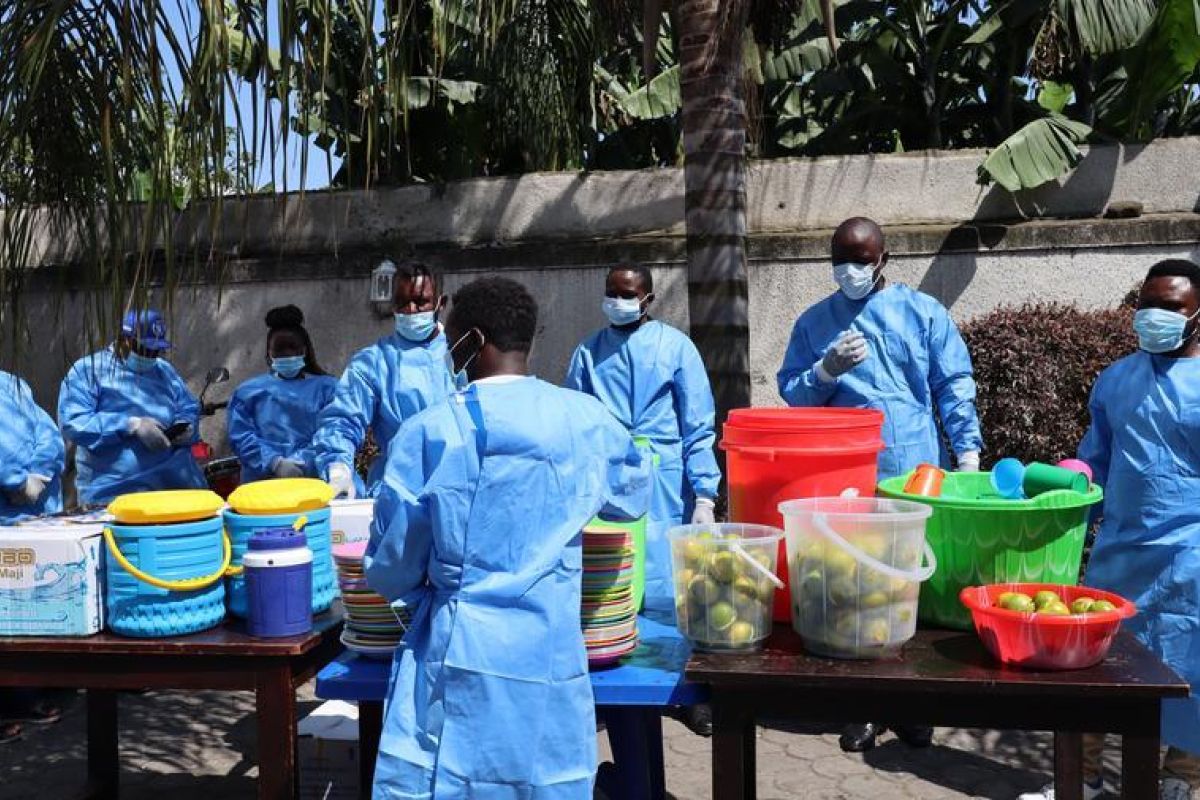
Geneva (ANTARA) - The Ebola outbreak in the Democratic Republic of Congo (DRC) is spreading rapidly, characterised by an increasing number of cases, expanding geographical spread, and cross-border transmission into Uganda, the World Health Organisation (WHO) stated on Monday (8/6).
In its latest assessment, the WHO currently rates the risk of the outbreak as very high for the DRC, high for Uganda and neighbouring countries sharing land borders with the affected regions, and low for other parts of Africa and the rest of the world.
As of Sunday (7/6), the DRC has reported 515 confirmed cases, including 91 deaths. Meanwhile, Uganda has reported 19 confirmed cases, including two deaths and one probable fatal case. All cases in Uganda are epidemiologically linked to the outbreak in the DRC, with evidence of imported infections and secondary transmission among contacts and healthcare workers.
National authorities, working alongside the WHO and partners, are implementing a series of emergency response measures. On 5 June, the Africa Centres for Disease Control and Prevention (Africa CDC) and the WHO launched a continent-wide Ebola preparedness and emergency response plan, with a funding target of $518 million (approximately IDR 18,039 per US dollar) to assist African nations in preparing for, detecting, and responding to the outbreak.
The outbreak involves the Bundibugyo virus disease (BVD), a severe and often fatal form of Ebola. The virus is believed to originate from fruit bats and can spread through close contact with the blood or secretions of infected animals, as well as through the bodily fluids of infected humans.
The incubation period for BVD ranges from two to 21 days, and infected individuals do not transmit the disease until symptoms appear.