
WHO: Ebola death toll in DR Congo rises to 452
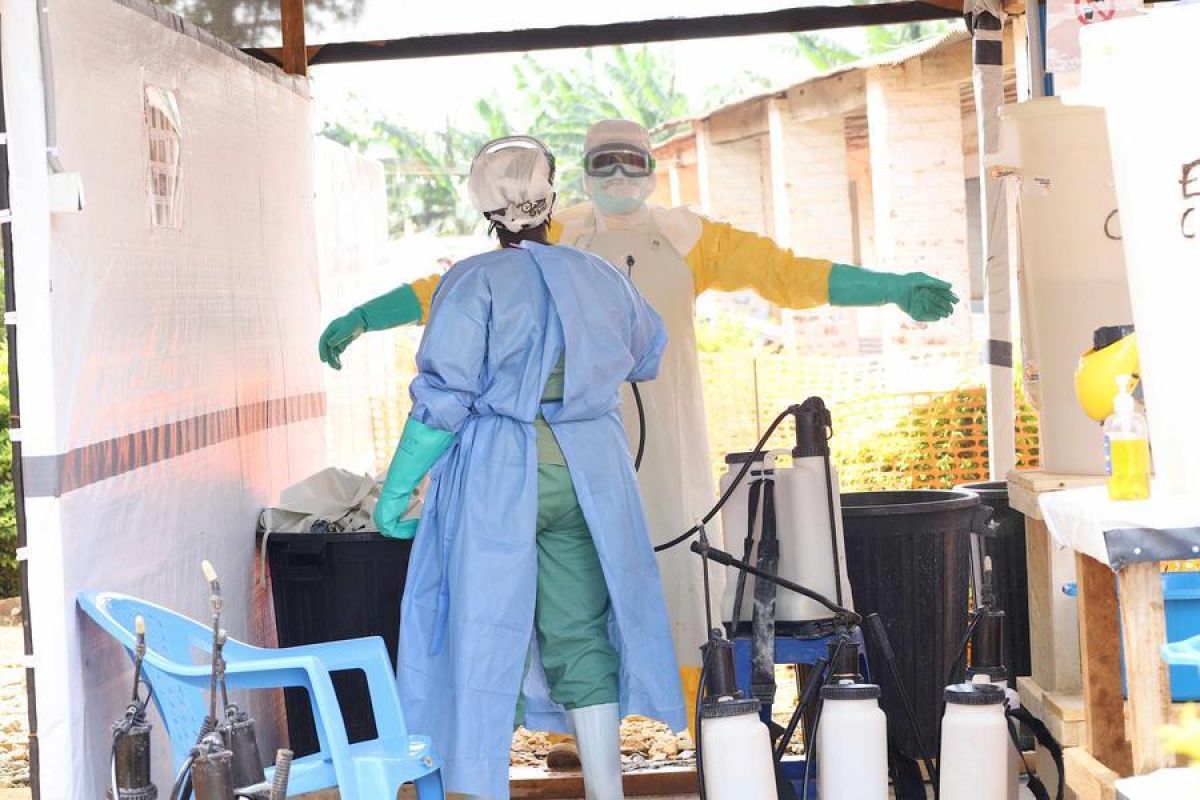
Geneva (ANTARA) - The Bundibugyo virus disease (BVD) outbreak, one of the Ebola diseases, in the Democratic Republic of the Congo has resulted in 452 deaths from 1,460 confirmed cases as of 1 July, with transmission continuing to spread to new health zones, the World Health Organization (WHO) reported on Friday (3/7). In its latest Disease Outbreak News update, the WHO stated that as of 2 July, Uganda had reported 20 confirmed cases, including two deaths, and one probable fatal case linked to Ebola. The last confirmed case in Uganda was recorded on 21 June. Meanwhile, on 24 June, French authorities informed the WHO of a laboratory-confirmed BVD infection in a doctor who had recently returned from the DR Congo. In Uganda, the outbreak remains epidemiologically linked to transmission occurring in the DR Congo, with evidence of both imported infections and secondary transmission among contacts and healthcare workers. National authorities in both affected countries, in collaboration with the WHO and partners, are implementing a comprehensive set of response measures. Meanwhile, a regional preparedness and prioritisation framework continues to guide readiness efforts across the African Region. According to the WHO, BVD is a severe zoonotic disease, with fruit bats suspected as its natural reservoir, and the virus is transmitted to humans through contact with infected wildlife or the bodily fluids of symptomatic patients. The incubation period ranges from two to 21 days, with non-specific early symptoms such as fever and fatigue often delaying diagnosis, before progressing to gastrointestinal problems and haemorrhagic manifestations. In its latest risk assessment, updated on 6 June, the WHO assessed the outbreak risk as very high in the DR Congo due to sustained transmission, and high in Uganda and neighbouring countries because of cross-border mobility and links to previous outbreaks. The risk for other parts of the African Region and globally is assessed as low, although continued population movement and varying response capacities remain a concern for border areas. The virus outbreaks in 2007 and 2012 recorded case fatality rates of 30 per cent and 50 per cent, respectively.