
WHO Declares New Global Health Emergency as Deadly Virus Threatens the World
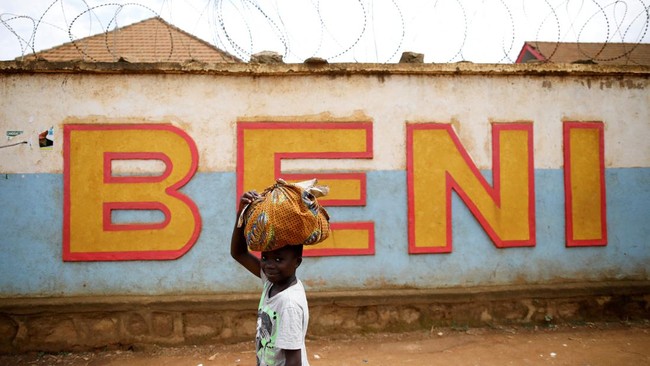
The World Health Organization (WHO) has officially declared the Ebola outbreak in the Democratic Republic of Congo (DRC) as a public health emergency of international concern. According to recent reports, this crucial decision follows a surge in fatal cases in the Central African region.
The UN-affiliated health agency stated that the outbreak in the Ituri Province of eastern DRC, which has recorded approximately 246 suspected cases and 80 deaths, does not yet meet the criteria for a global pandemic emergency. However, the agency issued a serious warning regarding the potential for a much larger explosion of cases than the data currently collected.
“This outbreak has the potential to become much larger than what is currently detected and reported, with significant risks of local and regional spread,” the WHO official statement read.
The threat is considered particularly severe because the current outbreak is triggered by the Bundibugyo virus. International health authorities confirmed that there is currently no approved vaccine or treatment to combat this specific variant.
Initial symptoms are reported to appear suddenly, resembling the flu with fever, muscle pain, fatigue, headache, and sore throat, followed by vomiting, diarrhoea, rashes, and severe bleeding. The situation on the ground is increasingly alarming as laboratory tests have confirmed active transmission in crowded areas and gold mining towns. The WHO stated that there are now eight laboratory-confirmed cases, with suspected cases and deaths spread across three health zones, including Bunia, the capital of Ituri Province, and the mining towns of Mongwalu and Rwampara.
One case has even been confirmed in the capital, Kinshasa, believed to have been contracted by a patient returning from Ituri. Furthermore, the virus has crossed borders, with two confirmed cases found in neighbouring Uganda, where a 59-year-old man died last Thursday after testing positive. The Ugandan government took swift action by repatriating the deceased patient’s remains to the DRC to mitigate the risk of local transmission.
Conflict is exacerbating the spread of Ebola. Laboratory results have confirmed new cases in eastern regions currently controlled by the M23 rebel group. The WHO explained that the combination of humanitarian crises, high population mobility, and the prevalence of informal healthcare facilities are primary factors accelerating the spread of this deadly virus. Countries bordering the DRC are now at high risk due to intense trade and travel activities. In response, the Rwandan government has tightened surveillance along its borders to prevent the virus from entering its territory.
To minimise spread, the WHO has advised the DRC and Uganda to immediately establish emergency operation centres to monitor, track, and implement infection prevention measures. Health authorities emphasised that every country must enforce strict quarantine for symptomatic patients until they are cleared via specific testing.
While advising border countries to increase surveillance, the WHO urged nations outside the affected region not to take extreme measures that could cripple the global economy. “Countries outside the affected area should not close their borders or restrict travel and trade, as such actions are usually driven by fear and lack scientific basis,” the agency added.
WHO Director-General Dr Tedros Adhanom Ghebreyesus expressed concern regarding the validity of real-time data, suggesting the actual numbers may be much higher than official reports. Dr Jean Kaseya, Executive Director of Africa CDC, also highlighted that economic activity in the mining sector serves as a high-risk logistics route for cross-border transmission, making regional coordination essential.