
WHO Declares Global Health Emergency Over Bundibugyo Ebola Outbreak in Congo and Uganda
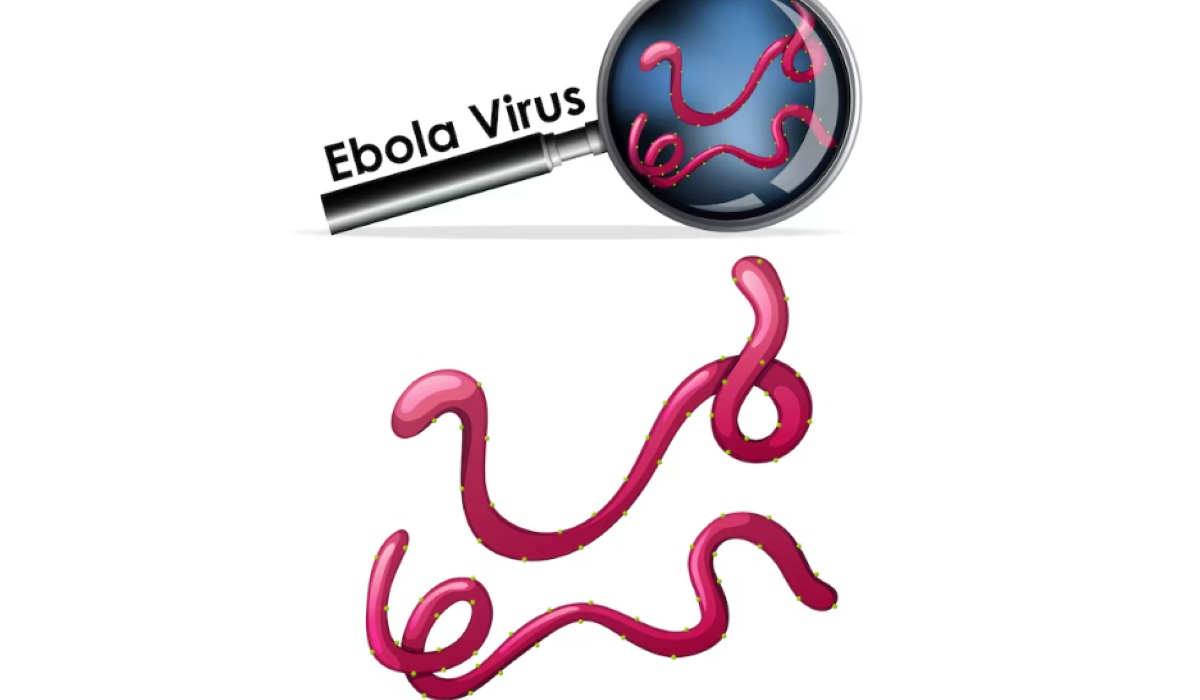
The Director-General of the World Health Organization (WHO), Dr Tedros Adhanom Ghebreyesus, expressed deep concern over the scale and speed of the deadly Ebola outbreak in the Democratic Republic of Congo (DRC) and Uganda. On Tuesday (19 May 2026), WHO officially designated the outbreak as a Public Health Emergency of International Concern (PHEIC).
The outbreak is caused by Bundibugyo virus, one of the Orthoebolaviruses, which to date has no approved vaccine or specific treatment. The epicentre of the outbreak is in Ituri Province, a remote part of northeastern DRC, but it has now been detected in other regions.
As of the latest update on Tuesday, the impact of the outbreak had reached concerning levels: Ugandan authorities confirmed that two cases within their territory involve Congolese nationals crossing the border. To date, there is no evidence of sustained local transmission inside Uganda.
Health experts question why the virus could have spread undetected for so long. The first suspected case was a healthcare worker who began showing symptoms on 24 April and died in Bunia. The outbreak was confirmed as Bundibugyo on 15 May.
Jeremy Konyndyk, a former head of disaster assistance at USAID, noted that several generations of transmission going undetected could be a major problem. Meanwhile, Dr. Craig Spencer, an Ebola survivor from 2014, warned that the actual number of cases is likely higher than officially reported.
The United States has implemented public health measures restricting entry of travellers from affected regions after a U.S. citizen was confirmed to have the strain in the DRC. This step was criticised by the Africa Centres for Disease Control and Prevention (Africa CDC), which warned that broad travel bans could undermine economies and livelihoods.
WHO emphasised that declaring a global emergency is aimed at mobilising international assistance more rapidly to contain spread before it develops into a wider epidemic in central and eastern Africa. (CNN/I-2)
The European Commission has called on WHO to declare climate change a global health emergency to accelerate mitigation and adaptation actions by governments worldwide.