
WHO Declares Global Ebola Emergency as Death Toll Reaches 88
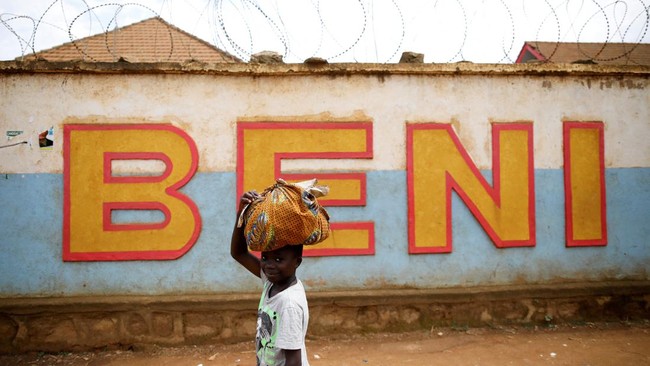
The World Health Organization (WHO) has officially declared the Ebola outbreak in the Democratic Republic of the Congo (DRC) and Uganda as a ‘public health emergency of international concern’ (PHEIC). This global emergency status was declared after the outbreak claimed the lives of nearly 90 people and began spreading across borders in the East African region. The latest outbreak originated in the Ituri Province in eastern DRC and is caused by the rare Bundibugyo strain, an Ebola variant for which there is currently no approved vaccine or specific treatment.
‘After consulting with the DRC and Uganda, where the Ebola disease caused by the Bundibugyo virus is known to be occurring, I have declared the epidemic to be a public health emergency of international concern (PHEIC), as defined in the IHR provisions,’ stated WHO Director-General Tedros Adhanom Ghebreyesus, as reported by Al Jazeera on Monday.
Health authorities have noted a high risk of regional spread, as cases have been detected in Uganda and several patients related to the outbreak have been found in the Congolese capital, Kinshala. However, the WHO has not yet classified the situation as a global pandemic, as it does not yet meet the highest criteria.
The Africa Centres for Disease Control and Prevention (Africa CDC) reported that as of Saturday, there were 88 deaths and 336 suspected Ebola cases. The outbreak was first detected in Mongwalu, a densely populated mining area in Ituri near the borders of Uganda and South Sudan. The first patient was identified as a nurse who arrived at a health facility in Bunia, the capital of Ituri, on 24 April presenting with Ebola-like symptoms. Subsequently, several patients travelled out of the region seeking treatment, thereby expanding the spread of the disease.
In Uganda, the government reported two laboratory-confirmed cases linked to travellers from the DRC, including one patient who died in the capital, Kampala. The humanitarian organisation Doctors Without Borders (MSF) warned that the rapid surge in cases and deaths is deeply concerning. Poor security conditions and limited access to healthcare services in Ituri are expected to complicate outbreak management efforts.
Ebola is a deadly viral disease first discovered in 1976 near the Ebola River in what is now the DRC. The virus is believed to originate from wild animals, particularly bats, before transmitting to humans. Transmission occurs through direct contact with bodily fluids such as blood, vomit, semen, or contaminated objects, including clothing and bedding. A person becomes infectious only after symptoms appear. Symptoms include fever, vomiting, diarrhoea, muscle pain, extreme weakness, and in severe cases, internal or external bleeding. The incubation period ranges from two to 21 days.
DRC Health Minister Samuel-Roger Kamba stated that the Bundibugyo strain has a very high fatality rate of up to 50%. He emphasised that no specific vaccine or therapy is currently available for this variant.
WHO Director-General Tedros Adhanom Ghebreyesus stated that neighbouring countries are at high risk due to ongoing population mobility, trade activities, and cross-border travel. The WHO has urged countries in the region to immediately activate health emergency systems, tighten border inspections, and isolate confirmed patients as quickly as possible. Close contacts of patients should be monitored daily, and those exposed are advised not to travel abroad for 21 days. However, the WHO cautioned countries against closing borders, as travel restrictions could trigger illegal crossings that are difficult to monitor and could worsen outbreak control.
The DRC has recorded at least 17 Ebola outbreaks since the virus was first discovered in 1976. The largest outbreak occurred between 2018 and 2020, killing nearly 2,300 people. Overall, Ebola has killed approximately 15,000 people since its discovery, almost all of whom were in Africa. The WHO also warned that armed conflict in eastern DRC could pose a major challenge to managing the outbreak, as the mineral-rich region has been plagued for decades by conflicts involving armed groups fighting for control of mining territories.