
WHO Declares Ebola Outbreak in DR Congo a Public Health Emergency of International Concern
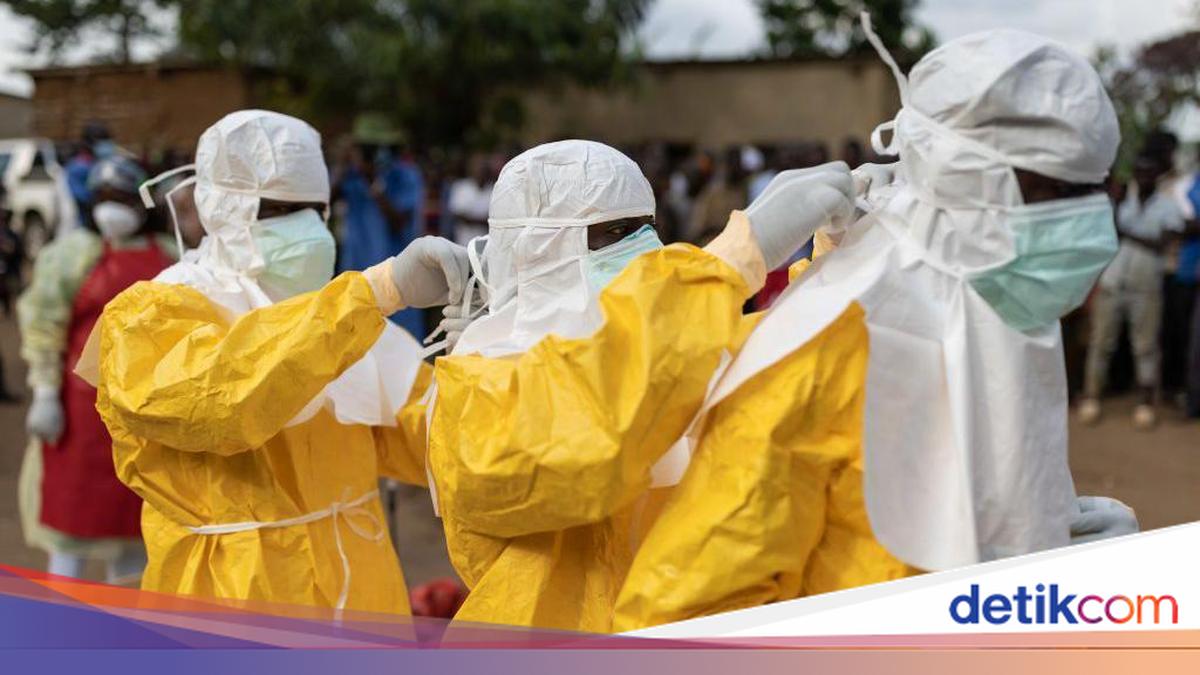
The World Health Organisation (WHO) has declared the Ebola outbreak in the Democratic Republic of Congo (DRC) a public health emergency of international concern. The agency stated that the outbreak in Ituri Province, eastern DRC—which has recorded approximately 246 suspected cases and 80 deaths—does not meet the criteria for a pandemic emergency. However, the WHO warned that the outbreak has the potential to become much larger than currently detected, posing significant local and regional risks.
The current outbreak is caused by the Bundibugyo strain of the Ebola virus. Currently, there are no approved drugs or vaccines specifically for this strain. Symptoms typically begin with fever, muscle pain, fatigue, headache, and sore throat, progressing to vomiting, diarrhoea, rashes, and haemorrhaging. Ebola spreads between humans through contact with infected bodily fluids, such as blood and vomit.
Laboratory-confirmed cases have been identified in several areas, including the capital of Ituri Province, Bunia, and the mining towns of Mongwasting and Rwampara. Notably, one confirmed case has been identified in Kinshasa, the DRC capital, involving a patient who had recently travelled from Ituri Province. The virus has also spread beyond the DRC, with two confirmed cases reported in neighbouring Uganda.
The WHO highlighted that the ongoing security situation, humanitarian crisis, high population mobility, and the presence of informal healthcare facilities in the region increase the risk of spread. Countries bordering the DRC are considered high-risk due to trade and travel patterns. In response, Rwanda has announced it will tighten border inspections as a precautionary measure, strengthening surveillance systems to ensure early detection.
Historically, the most deadly Ebola outbreak in the DRC occurred between 2018 and 2020, resulting in nearly 2,300 deaths. The WHO has advised the DRC and Uganda to establish emergency operations centres to monitor, track, and implement infection prevention measures. The WHO further advised that countries outside the affected areas should not close borders or restrict trade, as such measures are often driven by fear rather than scientific evidence.
Dr Tedros Adhanom Ghebreyesus, Director-General of the WHO, warned of significant uncertainty regarding the true number of infections and the geographical spread of the outbreak. While the risk to the global population remains very low, experts from the Pandemic Sciences Institute at the University of Oxford noted that the complexity of the situation necessitates international coordination, as significant threats remain for neighbouring nations like South Sudan and Rwanda.
Source: jawawa.id (https://jawawa.id/newsitem/who-declares-ebola-outbreak-in-dr-congo-a-public-health-emergency-of-international-concern-1780905302)
Originally published by detikcom (https://news.detik.com/bbc-world/d-8493993/who-umumkan-wabah-ebola-darurat-internasional), translated from Indonesian