
WHO: Conflict worsens Ebola outbreak in Democratic Republic of the Congo
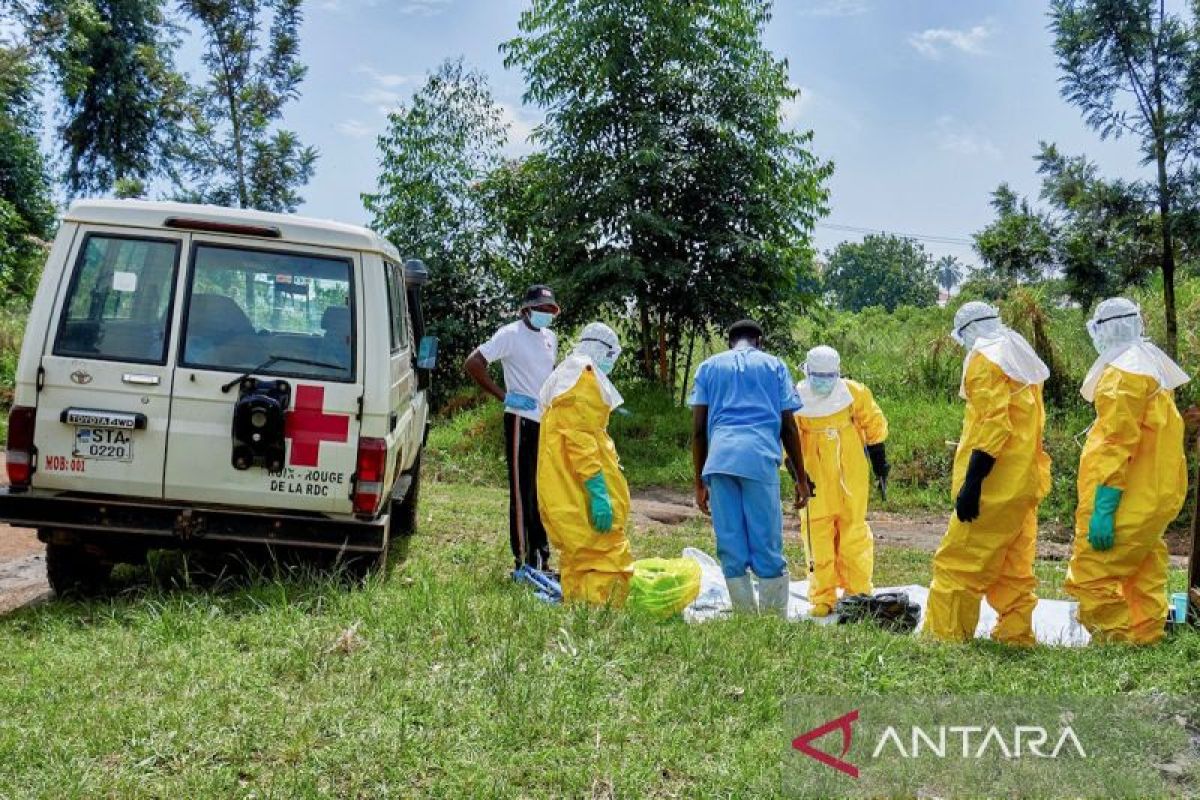
World Health Organization (WHO) Director-General Tedros Adhanom Ghebreyesus has warned that escalating violence in eastern Democratic Republic of Congo (DRC) is worsening the Ebola outbreak and hindering humanitarian efforts to tackle the disease.
‘Eastern DRC is now facing a devastating clash between disease and conflict,’ he wrote on X on Wednesday (27 May).
Tedros said the Ebola outbreak in Ituri Province is difficult to manage due to fighting and displacement obstructing access to affected communities.
The outbreak involves the Bundibugyo strain of Ebola, which currently has no approved vaccine or treatment. He warned that ongoing clashes are forcing exposed individuals into overcrowded camps, allowing wider transmission.
‘Stopping the spread of Ebola entirely depends on humanitarian access,’ Tedros said.
Attacks on healthcare facilities have also made infection tracking and contact tracing ‘almost impossible,’ he added.
The WHO chief stated that frontline health workers are operating amid extreme danger as violence spreads across the region.
‘We cannot build community trust or isolate the sick while bombs are falling,’ Tedros wrote.
He urged all parties involved in the conflict to immediately agree to a ceasefire and allow ‘safe and sustained access’ for medical teams handling the outbreak.
‘We plead for human survival to be prioritised above all else,’ he said.
Violence in eastern DRC involves several armed groups, including M23 rebels and the Cooperative for the Development of Congo militia, causing hundreds of thousands of civilians to flee amid long-standing ethnic and regional tensions.
Previously, health authorities warned that the Ebola outbreak continues to spread across parts of Africa, with neighbouring countries also affected.
Ten countries, including Rwanda, Kenya, Tanzania, Angola, Burundi, Central African Republic, Republic of Congo, Ethiopia, South Sudan, and Zambia, face Ebola outbreak risks according to the Africa Centres for Disease Control and Prevention.
WHO also cautioned that while the global spread risk remains low, the situation is closely monitored due to case numbers, infections among healthcare workers, and urban outbreaks.