
WHO Confirms Marburg Virus Disease Case in Uganda
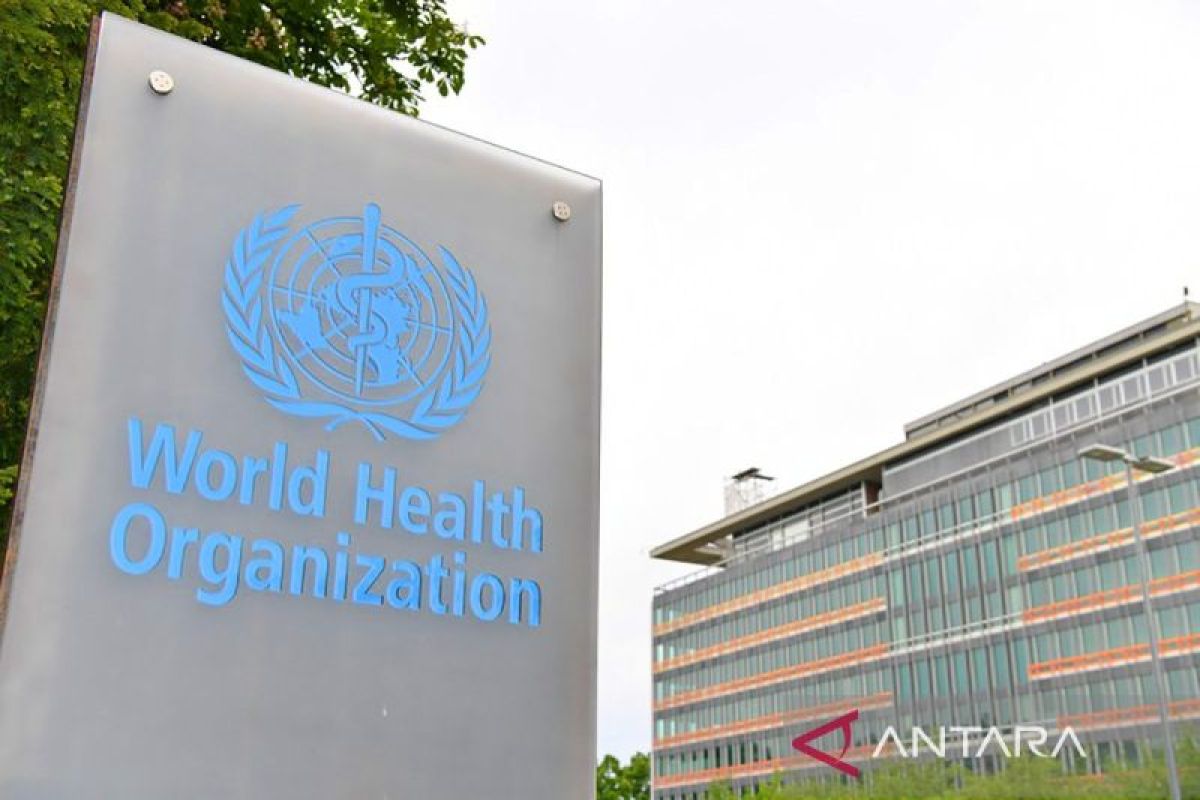
The World Health Organization (WHO) has confirmed one case of Marburg virus disease in Kyegegwa District, western Uganda, Director-General Tedros Adhanom Ghebreyesus announced during his opening remarks at a WHO media briefing on Thursday. According to the WHO, the case was detected through heightened disease surveillance for Ebola. Ugandan health authorities reported the confirmed case to the WHO on 30 June. Since 21 June, no new Ebola cases have been reported in the country. Health authorities have informed the WHO that they are monitoring all identified contacts of the Marburg case, but so far none have shown symptoms. The WHO is supporting investigations to determine the source of exposure, evaluate public health risks, and promote community engagement. According to the WHO website, Marburg virus disease (MVD), previously known as Marburg haemorrhagic fever, is a severe and often fatal illness in humans. The average MVD case fatality rate is around 50 per cent, although in past outbreaks this figure has varied between 24 per cent and 88 per cent. Early supportive care with rehydration and symptomatic treatment can improve a patient’s chances of survival. Currently, there are no approved vaccines or antiviral therapies to treat MVD, but a number of vaccine candidates and drug therapies are in development. The WHO stated it continues to work with Ugandan authorities to control potential spread and will provide updates as the situation develops.