
WHO and Brazil Urge G7 to Finalise Global Pandemic Agreement
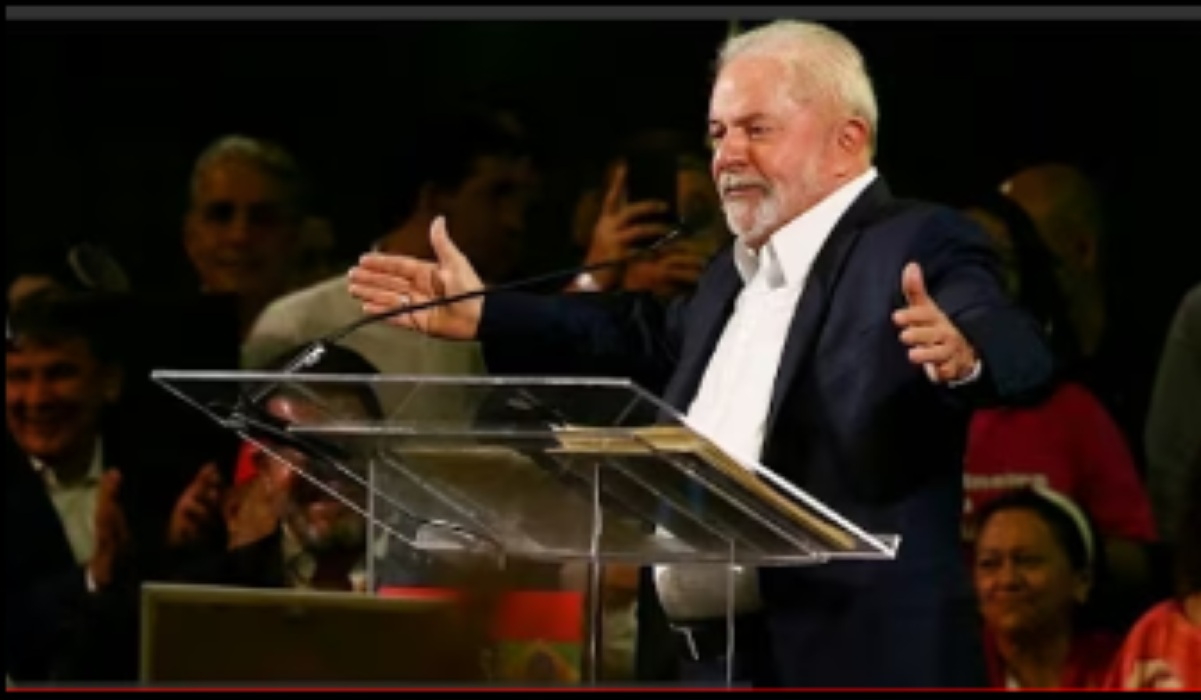
Amid the persistent threat of an Ebola epidemic, world leaders gathered at the G7 summit in France faced strong pressure to demonstrate political will. The push aims to finalise the outstanding section of the Pandemic Agreement on Monday (15/6). Through a joint letter, Brazilian President Luiz Inácio Lula da Silva and World Health Organisation (WHO) Director-General Tedros Adhanom Ghebreyesus urged the leaders of the advanced nations to sign the benefits-sharing annex with a sense of urgency. The Pandemic Agreement is designed to ensure the world is better prepared to face future global outbreaks. Although its broad framework was agreed upon last year, a vital element known as the Pathogen Access and Benefit-Sharing (PABS) annex remains stalled due to disputes over wording. The PABS system aims to establish a clear protocol for sharing data on deadly pathogens. Currently, a similar system only exists for influenza viruses, whilst thousands of other lethal pathogens, including Ebola, lack a clear sharing protocol. Large pharmaceutical companies fear the PABS scheme will force them to formally acknowledge the genetic resources of the country of origin, which they believe could disrupt intellectual property rights and limit profits. Conversely, developing nations worry that if they provide pathogen data free of charge, they will not gain access to resulting vaccines or medicines, as occurred during the COVID-19 pandemic. In the letter, Lula and Tedros cited 2023 research indicating a one-in-four chance of another pandemic occurring in the next decade. Factors such as climate change, land-use changes, and agricultural evolution are said to be altering the map of dangerous pathogen emergence. The letter stressed that the belief that outbreaks only start in faraway places is no longer true, and future hotspots could emerge within or near one’s own country. The effort to reach a global deal faces significant challenges after the United States and Argentina withdrew from the WHO. The absence of the US is crucial given that the country is home to many of the world’s largest pharmaceutical companies. Nevertheless, an agreement among the remaining 192 WHO member states is still considered a significant step forward. Lula and Tedros concluded that every month the annex remains unfinished is a month the world becomes less prepared and people are less safe than they should be. Finalising this agreement is seen not merely as a humanitarian act, but as a collective promise to protect humanity from viral threats that know no borders.