
Which Is Better for Managing Cholesterol: Chicken or Prawns?
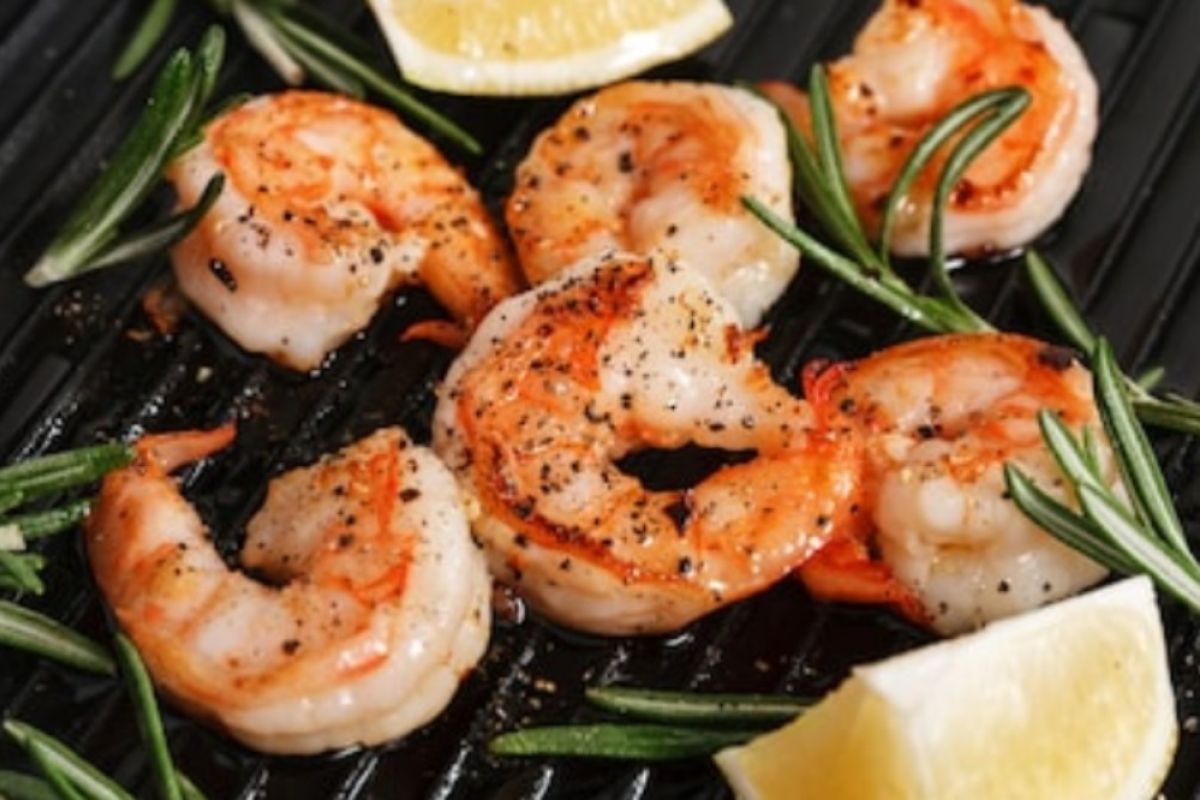
Jakarta (ANTARA) — Chicken and prawns are both easy-to-prepare sources of protein, but people who need to manage their blood cholesterol should understand the different types of fat they contain.
As cited in an EatingWell report on Monday (19 October), dietitian Michelle Routhenstein said chicken’s main benefit depends on the foods it replaces.
The founder and head of nutrition consultancy Entirely Nourished said that replacing foods high in saturated fat, such as fatty beef or processed meat, with skinless chicken may help improve cholesterol levels.
“However, if chicken is used to replace fish, beans or other lean protein sources, you should not expect much additional benefit for your cholesterol levels,” she said.
The cooking method, seasonings and sauces used to serve chicken also affect the amount of saturated fat in the dish.
Routhenstein said minimally processed, skinless chicken can be a lower-saturated-fat food choice. Chicken that is grilled, roasted or cooked in an air fryer is generally a better option for people trying to manage their cholesterol.
“Frying, coating it in breadcrumbs, leaving the skin on, or adding butter and rich sauces can significantly increase saturated fat,” she said.
Some studies suggest that poultry consumption is not associated with a higher risk of heart disease. However, this does not mean chicken directly protects against heart disease.
Dietitian Renee Korczak said prawns contain cholesterol but are low in saturated fat. A three-ounce serving of prawns contains about 161 milligrams of cholesterol, but almost no saturated fat.
“For most people, saturated fat intake and their overall diet have a much greater effect on LDL cholesterol levels,” Korczak said, referring to low-density lipoprotein, commonly known as “bad” cholesterol.
Prawns also provide small amounts of omega-3 fatty acids, which may help lower triglyceride and cholesterol levels.
She said eating prawns may cause a greater rise in LDL levels among people who are highly responsive to dietary cholesterol than among those who are less responsive.
Korczak said both chicken and prawns can be part of a heart-healthy diet if they are prepared healthily, without using much oil, butter or other high-fat ingredients.
Routhenstein said that if the specific aim is to minimise cholesterol intake, skinless chicken breast is generally the better choice. “If the goal is to minimise saturated fat while still getting high-quality protein, plain prawns can be a good option,” she said.
To reduce cholesterol and fat intake, chicken and prawns should be prepared with healthy fats and cooking methods such as grilling, steaming, boiling or stir-frying with a small amount of oil.
They can also be served with vegetables, beans and whole grains, which are rich in fibre and can help manage cholesterol levels.