
Where Has Pancasila Gone?
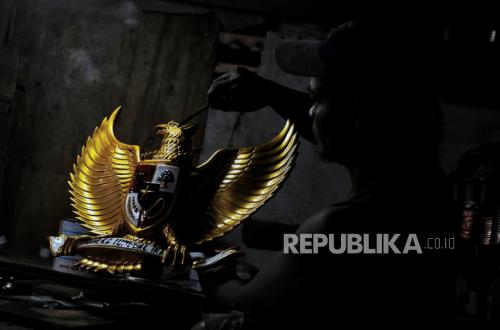
Pancasila Day is commemorated annually. May the commemoration not be confined to grand ceremonies and empty speeches. Yet the crucial agenda of implementing Pancasila’s noble values remains neglected in reality. The primary demand is for a strong, collective, and systematic political movement to realise Pancasila in nation-building and state governance. Pancasila must be truly embedded in personal, collective, and state systems of living. How to embody Pancasila in political practice: a politics based on deliberation and wisdom, not power struggles for victory. Political parties must uphold the values of Divinity, Humanity, Unity, Popular Sovereignty, and Justice as enshrined in Pancasila’s five principles. The state has established institutions to foster Pancasila ideology. But are Pancasila’s core values genuinely institutionalised in political, economic, social, cultural, and constitutional systems? Institutionalising Pancasila should focus on its foundational values that shape thought, ethics, and lofty policy orientation—not detailed, prescriptive guidelines like the New Order era. Pancasila is a moderate ideology, with all five principles representing a centrist, non-extremist stance. It is neither secular, liberal, capitalist, Marxist, nor any other extreme ideology. Pancasila aligns with religious teachings and is moderate in its approach to religion—neither anti-religious nor allergic to it. Thus, views on Pancasila and national ideology must remain centrist, avoiding extremes on either side. Pancasila must serve as the foundational value for building Indonesia. Reflect on whether the current government’s direction and policies truly align with Pancasila’s principles. Do laws, regulations, and governance practices genuinely reflect Pancasila? Legislation and strategic national policies must not prioritise specific interests over the public good and Pancasila’s noble values. Pancasila must be grounded in Indonesia’s reality. The country still faces serious structural issues: corruption, abuse of power, resource exploitation, social inequality, thuggery, and oligarchic practices. Are there significant policies to address these critical issues comprehensively and systematically from central to local levels? The priority now is the serious and systematic implementation of Pancasila across all aspects of national life. The key lies in the commitment and optimal efforts of all Pancasila stakeholders—officials and national elites safeguarding the Republic. The mindset and practices of government officials, elites, and citizens must be checked to ensure alignment with Pancasila’s noble values—no discrepancies, no gap between words and deeds. Do millennial, Gen Z, and Gen Alpha generations in Indonesia know and understand Pancasila? Young Indonesians demand proof and role models—how are Pancasila’s noble values truly practised in daily life? They need role models from officials, political elites, and national figures—teachers who embody and inspire. How to build a nation that is just, prosperous, sovereign, and dignified, with meaning and integrity. If each of Pancasila’s principles is genuinely implemented in personal, collective, and state life, then Pancasila truly exists in Indonesia. Its presence must not be mere words without substance. If Pancasila is not realised in daily national life, it effectively vanishes from Indonesian soil!