
When Young Ideas Seek Space: Surabaya's Gen Z Programme Needs an Ecosystem, Not Just Events
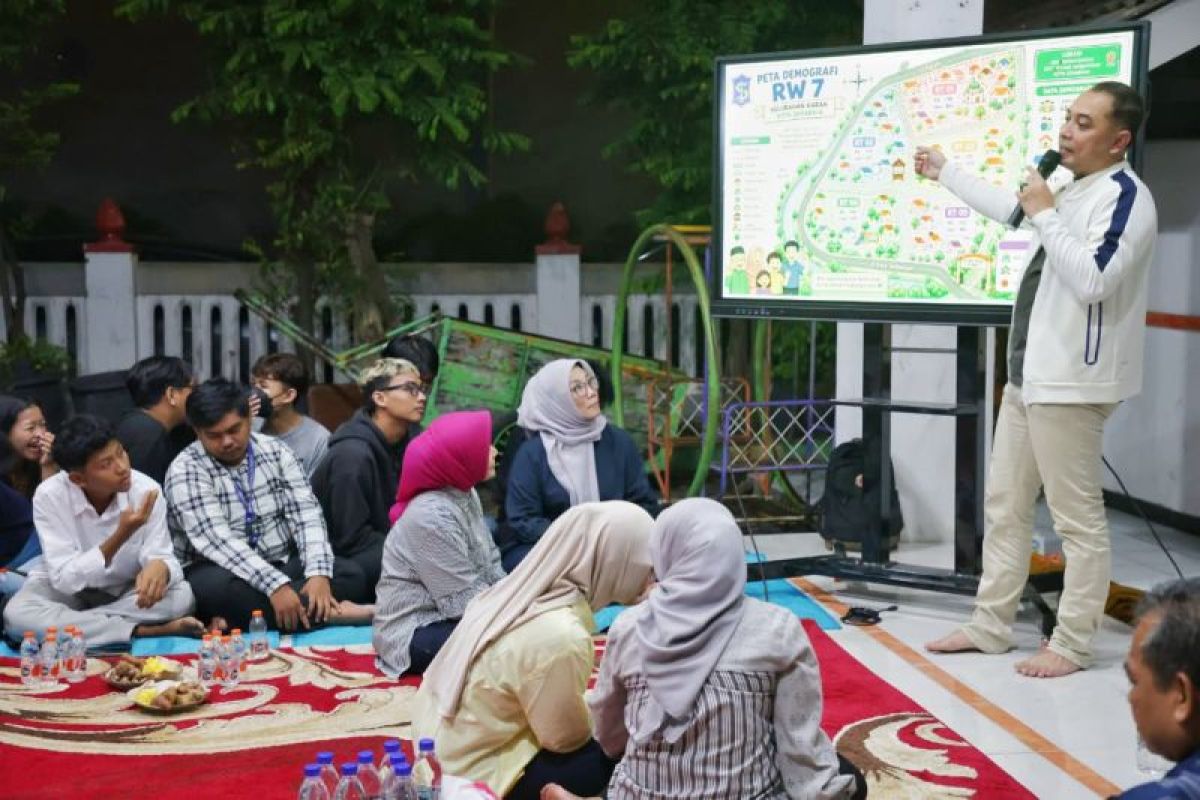
The young generation needs space to try, learn, and transform ideas into something useful. This space is not always a special facility, but also an opportunity to convey ideas, develop creativity, and find a path to independence in the environment where they grow up. In Surabaya, East Java, the city government is allocating Rp5 million every month to each neighbourhood unit (RW) to open space for Generation Z to develop creativity, run beneficial activities, and learn to manage the potential within their surroundings. This idea has a strong foundation. Young people are not placed merely as programme recipients, but as activity proposers. They are asked to formulate ideas, submit proposals, run activities, and experience for themselves the process of managing public resources. However, a programme’s effectiveness does not stop at the size of the budget or the goodness of its intentions. The real test emerges when the budget must move from documents into real activity. By the end of July 2026, this problem became apparent. Out of 31 sub-districts in Surabaya, only about four or five had begun absorbing the programme budget, with realisation reported at around 2 percent. This condition raises a fundamental question about why a programme offering both funds and creative space has not yet been widely utilised. This question is important because the programme is not merely youth activity assistance. The government has linked it from the start to a larger agenda: reducing open unemployment, strengthening the village economy, and building the independence of the young generation. By regulation, the Rp5 million monthly assistance for Karang Taruna at the RW level is directed towards youth, social, and community activities, activities that can reduce poverty and unemployment, and other activities supporting the Pancasila Village concept. Its disbursement also requires a verified application and is adjusted to local needs and financial capacity. Thus, the low absorption rate should not be read simply as young people’s unwillingness to participate. The problem may lie in a programme design that has not fully met the way Gen Z works, organises, strives, and makes decisions. A good programme must be able to answer one simple question: do young people need the money first, or do they need an ecosystem that makes the money work? Surabaya actually has sufficient capital to make the Gen Z programme a youth economic laboratory. Data from the Central Statistics Agency (BPS) shows the workforce in Surabaya reached 1.64 million people in August 2025, with an open unemployment rate of 4.84 percent. A total of 80.01 percent of the working population is in the service sector, while 19.79 percent works in manufacturing. At the same time, around 948,000 workers, or 60.73 percent, are engaged in formal activities. These figures show that Surabaya’s employment challenge is not solely about creating activities for young people. The challenge is connecting these activities to the real job market and tangible income sources. This is where the Rp5 million per RW programme needs to move beyond a pattern of activities that end with the event. If the funds are only used for short training sessions, competitions, community gatherings, or ceremonial activities, the benefits easily end when the activity concludes.