
When Will WFH for Civil Servants and Private Sector Start? Here's the Explanation
The government is preparing to implement a work-from-home (WFH) policy for civil servants (ASN) and the private sector after the Eid al-Fitr period. This policy is linked to efforts to enhance energy efficiency amid rising global oil prices, as well as adapting work patterns that remain relevant since the pandemic.
When will WFH take effect?
WFH is confirmed to begin after Eid al-Fitr 2026. However, the exact implementation date has not yet been detailed and is awaiting further technical regulations from the government.
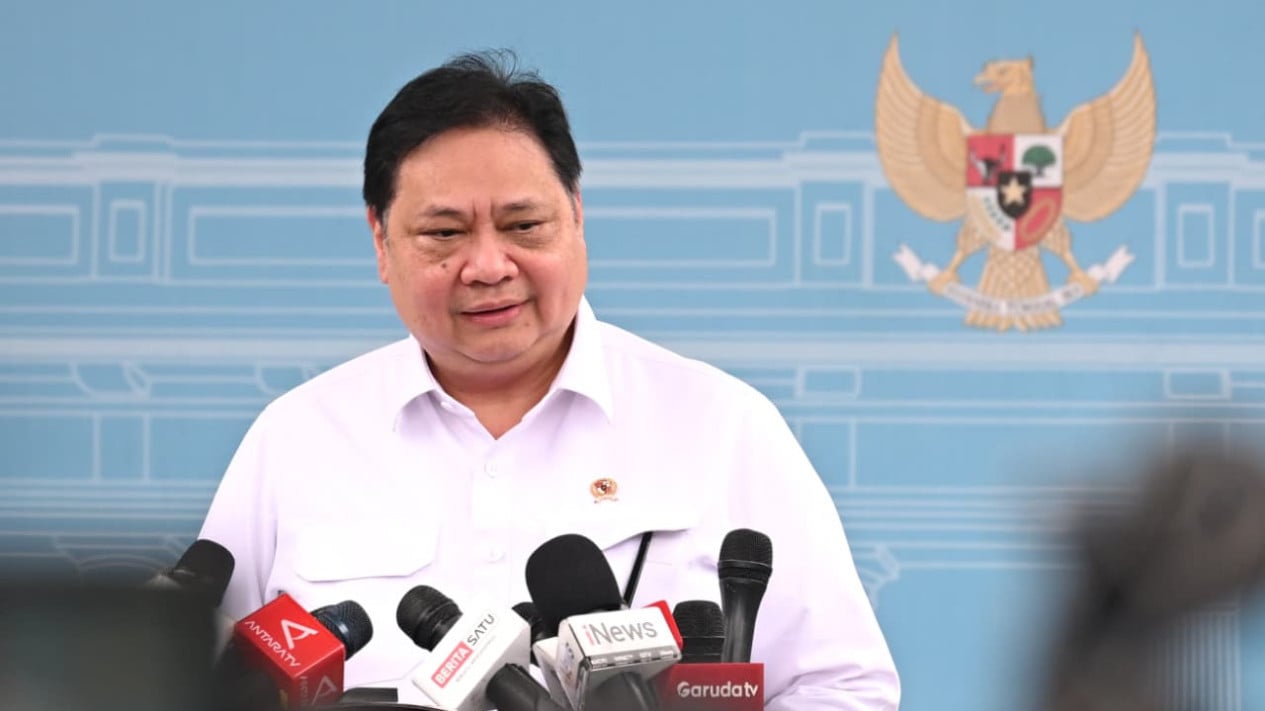
Coordinating Minister for the Economy, Airlangga Hartarto, stated that the policy will apply to ASN and be recommended for the private sector, with exceptions for public services.
“(The regulations) for WFH will be detailed. But after Eid, we will implement it. For ASN as well as recommendations for the private sector. But not for those working in public service sectors,” Airlangga said in Jakarta recently.
In its implementation, WFH will not apply every working day. The government has set a scheme of one day of WFH per week, while the other days remain office-based work.
The government also mentioned it will coordinate with relevant ministries to ensure the implementation runs according to plan.
Meanwhile, Finance Minister Purbaya Yudhi Sadewa conveyed that the policy is linked to potential energy savings, particularly in fuel oil (BBM). “There is a rough calculation … (WFH could save) one-fifth, approximately 20 percent (of BBM usage),” Purbaya said.
He added that limiting it to one day of WFH is intended to maintain a balance between work flexibility and productivity. He also proposed that the WFH day fall every Friday.
“Then it would be continuous holidays. Then no work gets done. Well, WFH, sometimes there are things that can’t be done well with WFH,” he said.
Furthermore, the determination of the WFH day may affect weekend patterns. If implemented on Fridays, it would create a three-day consecutive long weekend.
Previously, President Prabowo Subianto also mentioned the option of working from home as part of energy-saving measures in a cabinet meeting.
“I ask that this be discussed later, perhaps by the Coordinating Ministers, how many days this will be, we’ll see. We’ll think about it. In the past, we tackled COVID successfully. And we were able, many worked from home, efficiency, meaning we saved a very large amount of BBM,” Prabowo said.