
When We Pray for Mercy and Guidance
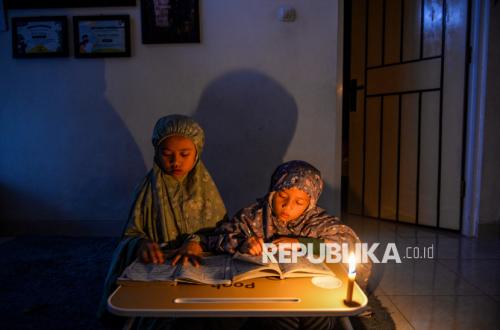
Morning always brings light, but it does not always bring certainty. There are days when each step feels heavy, the mind is full of questions and the future seems shrouded in mist.
We have made plans, weighed up various possibilities and used all our abilities, yet still do not know where the journey will lead. At such moments, people recognise how limited their knowledge is and how much they need guidance from the All-Knowing.
The Qur’an preserves a prayer born of such circumstances. It was offered by a group of young men who chose to uphold their faith, even though doing so meant leaving behind the comforts of their lives. Taking refuge in a cave, they entrusted their future to Allah through a brief prayer of profound meaning.
Allah says in verse 10 of Surah Al-Kahf:
رَبَّنَا آتِنَا مِن لَّدُنكَ رَحْمَةً وَهَيِّئْ لَنَا مِنْ أَمْرِنَا رَشَدًا
Rabbanā ātinā mil ladunka raḥmataw wa hayyi’ lanā min amrinā rasyadā.
“Our Lord, grant us mercy from Yourself and guide us rightly in our affair.”
(QS Al-Kahf: 10, excerpt)
This prayer is part of the story of Ashabul Kahfi, a group of believing young men who faced pressure from a society and rulers opposed to their faith. Tafsir Ibn Kathir explains that they left their people to preserve their religion and faith. They took refuge in a cave and asked Allah for mercy and protection from those who sought to turn them away from the truth.
Significantly, their first request was not for physical safety, abundant sustenance or victory over those threatening them. They first asked for Allah’s mercy: rabbanā ātinā mil ladunka raḥmah. This request reflects an understanding that true help comes from Allah’s compassion, not solely from human strength and ingenuity.
Ibn Kathir explains that mercy in this verse encompasses Allah’s protection and gentleness towards His servants. Sheikh Abdurrahman As-Sa’di, in Tafsir As-Sa’di, says the mercy requested by the young men included steadfastness of heart, protection from harm and help in attaining good. Mercy, therefore, is not only about being freed from hardship; it also means being able to remain firm in the truth while hardship continues.
After asking for mercy, Ashabul Kahfi continued with the words wa hayyi’ lanā min amrinā rasyadā. They asked Allah to prepare the right guidance for the matter they were facing. This request recognises that good intentions still need guidance if they are to be put into practice in the right way.
Imam al-Tabari, in Jami’ al-Bayan, explains that rasyadā in this verse concerns acting rightly in a way that is pleasing to Allah. The young men asked Allah to ease their path towards His approval and keep them away from disbelief. Ibn Kathir also emphasises that their request included the hope that Allah would bring their affair to a good conclusion.
This is the depth of the prayer of Ashabul Kahfi. They did not merely ask for their affairs to be made easy, but for them to proceed towards the truth. Not every ease leads to good, just as not every difficulty signals harm. Some paths seem open but take people away from their purpose in life, while others are narrow yet lead them to Allah’s approval.