
When Waste is Sorted and Transformed into Value
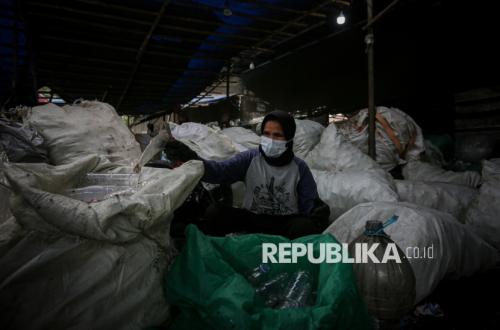
The Material Recovery Facility (RPM) Waste4Change in Bekasi, West Java, serves as a hub where various types of waste are sorted before being repurposed. Since 2014, the facility has been processing inorganic waste such as plastic, metal, paper, and cardboard for recycling, while food scraps are processed into compost. The RPM is capable of processing up to 40 tonnes of waste per day.
Workers at the facility meticulously separate materials based on their specific types and characteristics. Plastic, for instance, is isolated as an inorganic material to be distributed to processing and recycling partners. Detailed sorting is essential, as a single type of material may fall into several different categories.
Inorganic materials such as paper, cardboard, and metal are grouped together. Once separated, these materials undergo further processes including cleaning, compaction, or shredding, depending on their characteristics, before being sent to recycling partners. Waste4Change employs an upstream-to-downstream management approach, encompassing collection, sorting, processing, and the distribution of materials that still retain utility.
Organic waste is separated from inorganic materials to ensure distinct handling. Food waste and organic matter can be processed through composting methods, while Waste4Change has also utilised Black Soldier Fly (BSF) larvae, or maggots, to assist in decomposing food waste.
At the detailed sorting stage, workers inspect materials to reduce contamination from food residues, beverages, or unsuitable materials. Data regarding the types and volumes of waste collected also forms a critical part of the Waste4Change management system.
Technologies developed at the Bekasi RPM have reportedly increased processing capacity from 18 tonnes to 22 tonnes per day, while simultaneously reducing residue levels from 65 per cent to just 10 per cent.
According to Mohamad Bijaksana Junerosano, Founder and CEO of Waste4Change, activities at the Material Recovery Facility are not solely about the environment but also about creating economic opportunities for the community. Valuable materials are reintegrated into the recycling chain, while the processes of collection, sorting, and processing generate much-needed employment. Sorting waste does more than just reduce the burden on landfills; it creates economic opportunities and fosters more responsible waste management habits.