
When the Supply Chain Becomes a Fortress Against Inflation
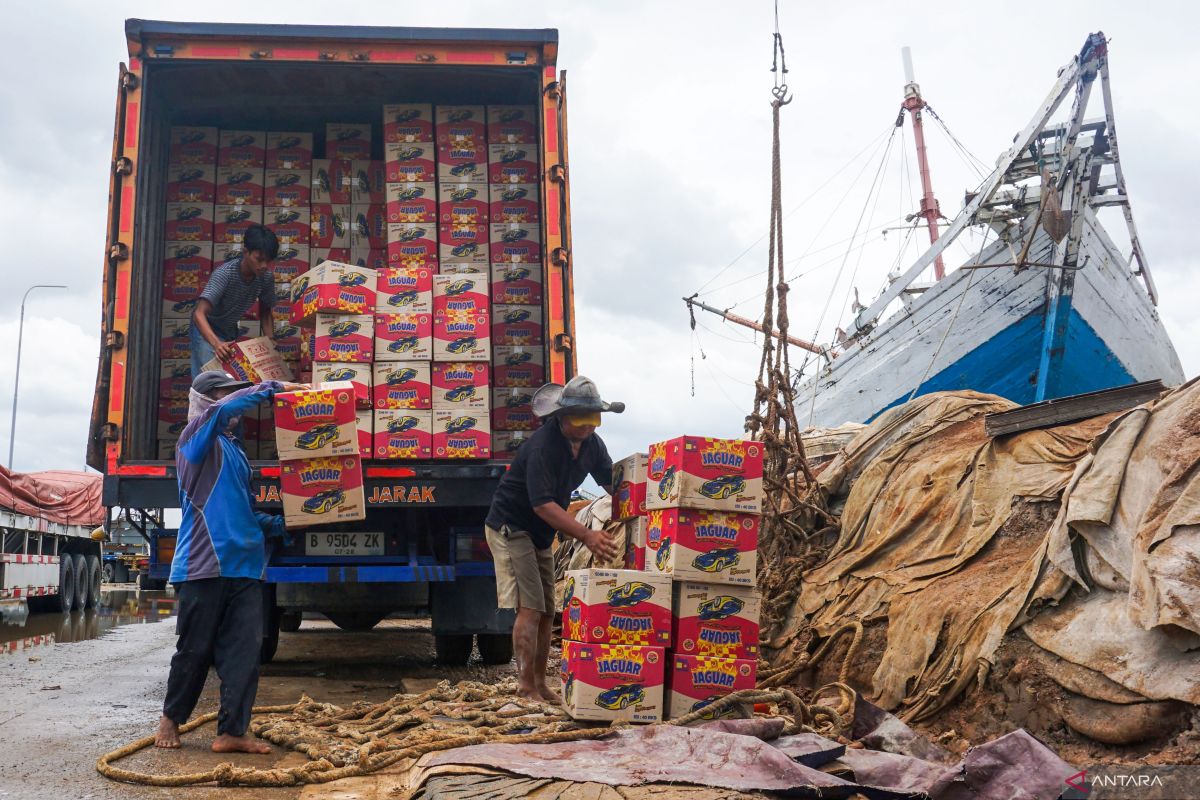
Indonesia’s core food inflation problem is not solely about production, but about the ability to keep supply chains running smoothly.
Jakarta (ANTARA) – Amid the threat of El Nino and the logistics challenges of an archipelagic nation, Indonesia’s inflation in July 2026 shows that price stability is determined not only by food production, but also by the smooth functioning of supply chains.
In that context, the ability to ensure food reaches the public at the right time and at the right price is one of the foundations of national economic resilience and the primary bulwark in safeguarding people’s purchasing power.
Data from Statistics Indonesia (BPS) show that the food, beverages and tobacco group was the largest contributor to annual inflation in July 2026, with a share of 0.87 percent. Inflation for this group stood at 2.97 percent year-on-year, driven mainly by rising prices of fresh fish, cooking oil, rice, broiler chicken, red chillies and beef.
Meanwhile, the volatile food component recorded inflation of 2.52 percent year-on-year, with the main sources of pressure coming from rice, red chillies, broiler chicken and beef.
This composition shows that national inflation pressure remains heavily influenced by food dynamics, particularly commodities that are sensitive to weather changes and distribution.
Inflationary pressure from the food group is not a new phenomenon. In recent years, food commodities have repeatedly been the main source of national price volatility due to weather disruptions, changes in planting seasons, rising distribution costs, and imbalances in supply between regions.
Therefore, food price stability is not merely an inflation issue, but also a crucial part of efforts to protect the public’s purchasing power.
On the other hand, the transport group recorded inflation of 5.12 percent, driven mainly by rising petrol prices and air fares. The personal care and other services group saw inflation of 9.04 percent, pushed up by higher jewellery gold prices.
However, on closer inspection, the most decisive source of inflation pressure remains food. When food prices rise, the impact is felt directly by households, especially low-income groups who allocate the largest share of their spending to basic necessities.
Indonesia’s inflation has distinctive characteristics. Whereas in the United States and the euro area, monetary authorities in recent years have focused much of their attention on services inflation and wage growth, inflation pressure in Indonesia is more often influenced by food dynamics, distribution costs, and commodities with volatile prices.
For that reason, controlling inflation in Indonesia cannot be separated from the ability to maintain supply and smooth inter-regional distribution.