
When the rains arrive late
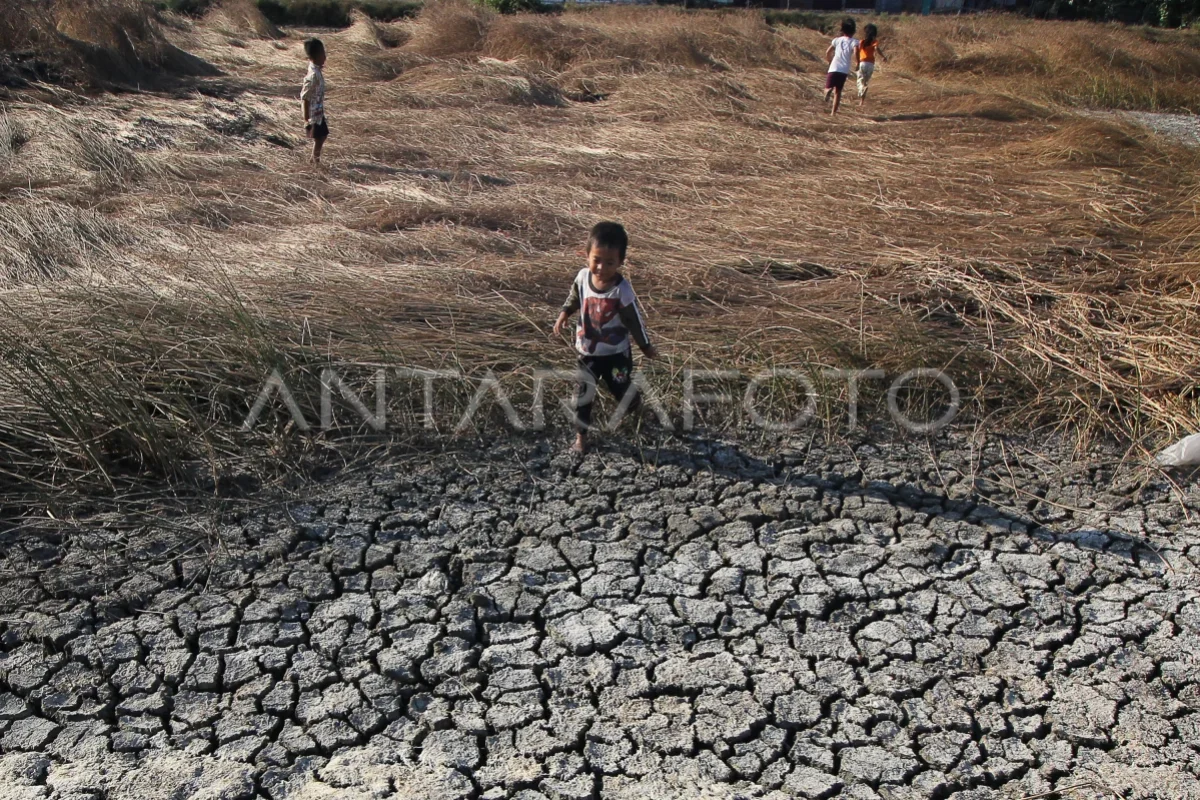
Surabaya cannot determine exactly when the rain will fall. However, the city can determine how prepared its citizens are to face the dry season, how wisely water is utilised, how quickly potential fires can be prevented, and how resilient public systems remain.
For a major city, rain is not merely a change in weather, but a phenomenon that touches every aspect, from tap water and road temperatures to the condition of open spaces, fire risks, and the government’s ability to maintain basic services. Therefore, when the rainy season potentially arrives late, the issue is not just when the rain falls, but how prepared the city is to wait.
The city of Surabaya, East Java, is currently facing this phase. The city government, together with the Meteorology, Climatology, and Geophysics Agency (BMKG), is strengthening preparedness to face El Niño, which is forecast to persist until February 2027. The impact may include drier conditions and a delay in the start of the rainy season.
Warnings do not stop at weather matters. The Surabaya Regional Disaster Management Agency (BPBD) has warned of increased risks of fire, heat exposure, dehydration, and pressure on the availability of clean water. Education is being conducted through schools, Islamic boarding schools, local communities, and social media.
El Niño 2026 is predicted to last at least until the beginning of the first quarter of 2027, with peak intensity exceeding the strong category. September is a critical period because most parts of Indonesia are still in the dry season, with low rainfall expected to continue dominating several regions.
This means that the public is not being asked to wait for rain passively. The seasonal gap must be faced with readiness so that dry conditions do not evolve into problems regarding basic services.
The first issue is water. When rainfall decreases, the pressure is not always immediately visible as drought. The impact can manifest through reduced water reserves, increased household needs, and an increased burden on maintaining supply.
BMKG forecasts that from September to November 2026, rainfall will generally be low to medium, with rainfall levels being below normal to normal. In East Java, El Niño also has the potential to reduce rainfall during the period from June to November 2026.
For Surabaya, these conditions must be anticipated because high population density, economic activities, household needs, and public facilities mean that disruptions in water supply can easily escalate into social issues.