
When the Marketplace Has More Power Than Consumers
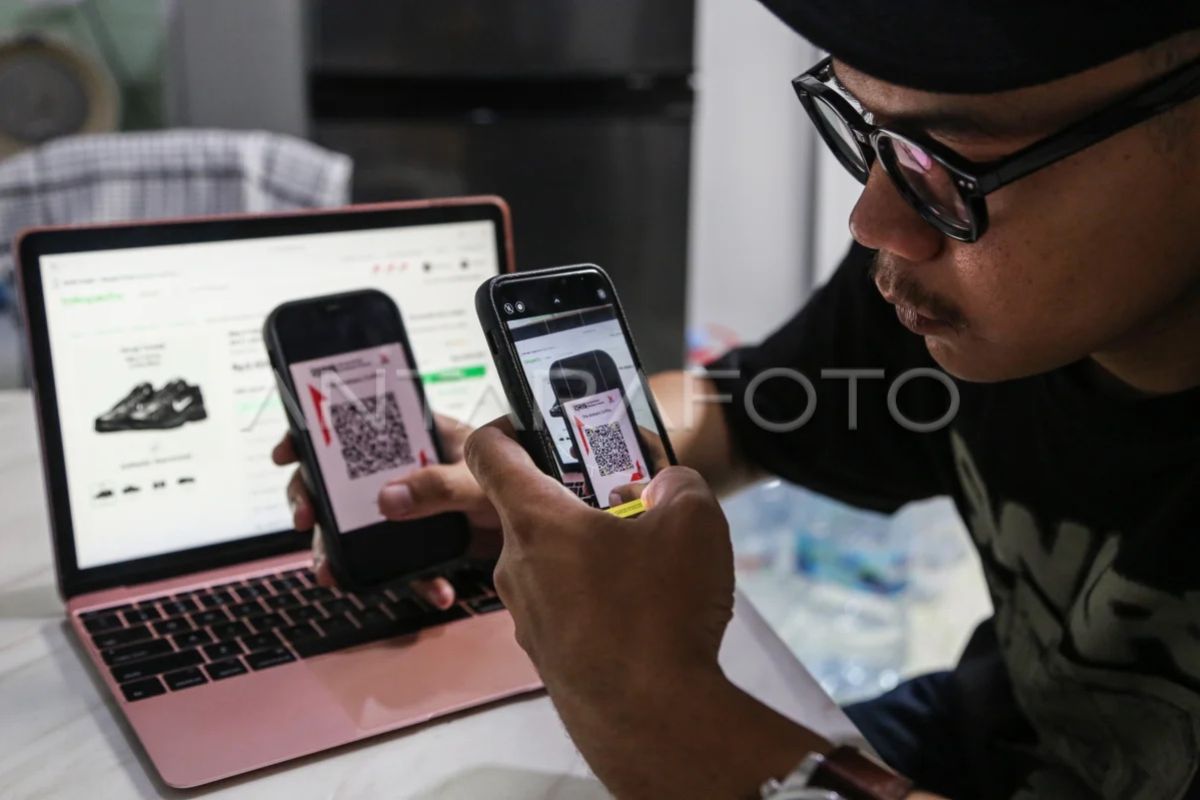
Jakarta — ‘I was initially just browsing because the product kept appearing on my social media feed. The discount was only a few minutes left. In the end I checked out, even though I didn’t actually need it,’ said a student under thesis supervision describing his shopping habits on marketplaces. The item bought was not an urgent need, but the result of digital promotions that kept flashing across the smartphone screen. At the next supervision meeting, he expressed disappointment because the product that arrived did not meet expectations. When attempting to file a complaint, the process was long and confusing. The seller was hard to contact, while the platform offered only automated responses that felt unsatisfactory. Stories like this are no longer rare, especially among young people and Generation Z. Many people feel they are making autonomous decisions when shopping digitally, yet in many situations those choices have been influenced by algorithms, personalised promotions, and data-driven marketing strategies. This is where modern consumption patterns reveal a new face: consumers are increasingly facilitated, but at the same time more vulnerable to being controlled.
Digital shopping indeed makes life more convenient. Yet behind that ease, new relationships are emerging that many do not notice: consumers become increasingly dependent on a system wholly controlled by digital platforms.
Algorithms control the changes in consumer patterns in recent years have progressed extremely quickly and almost imperceptibly. Previously, society knew brick-and-mortar concepts—trading activities conducted physically through shops, markets, shopping centres, or direct interaction between sellers and buyers. In that pattern, consumers could see goods in person, negotiate price, and verify product quality before deciding to buy. The relationship between business players and consumers was more personal because it was built through physical presence and direct interaction.
However, that pattern is slowly shifting toward click-and-order culture, a digital consumption pattern that enables people to purchase various needs with just a touch of a smartphone screen. Consumption activities are no longer bound by space and time.
Marketplaces, social media, live shopping, and digital platforms have become the new centres of modern transactions. While this change creates extraordinary efficiency, it also alters the balance of power between consumers and business actors.
According to various Southeast Asian digital economy reports, the value of Indonesia’s digital economy is projected to continue growing and potentially exceed US$100 billion in the coming years, making Indonesia one of the largest digital economy markets in Southeast Asia. This growth is driven by the rapid development of e-commerce, video commerce, digital payment services, and the use of AI-based technologies. This shows that consumer activity is increasingly dependent on digital platforms.
In the click-and-order system, consumers no longer fully control the choices they make. In many situations, consumers feel they are choosing freely, but the varied products, advertisements, and shopping recommendations that appear on the screen have in fact been arranged by the algorithm based on the user’s digital footprint.
Products, discounts, and shopping recommendations appear according to consumer habits and digital activity. Consumers feel they are choosing freely, yet in many situations those choices have been steered by a system designed on user behavioural data.
In this context, marketplaces and digital platforms are no longer merely places of transaction, but have evolved into controllers of public consumption behaviour. What is bought, when to buy, and even how long someone views a product can be recorded and analysed by the digital system.
The issue becomes more serious when consumers suffer losses. Many people complain about products that do not match expectations, funds being withheld, accounts being unilaterally blocked, or convoluted complaint services. Yet when consumers demand accountability, platforms often shield themselves behind the status of a ‘provider of electronic facilities’. In practice, however, platforms hold vast power to determine the direction of transactions, product exposure, and even seller reputations.
This phenomenon reveals a new imbalance in the digital economy ecosystem. In the midst of an increasingly complex digital system, people often can only follow platform rules, without truly understanding how the system works.
On the other hand, consumers are in a weak position because they do not understand how algorithms work or how their personal data are used. Not a few users agree to digital terms and conditions without fully understanding the consequences.
More worrying still, consumer personal data has become a new economic asset. Each product search, location, shopping habit, and even the duration of viewing a product can be recorded and analysed by the digital system. The data are then used to construct new consumption patterns through highly personalised product recommendations and advertisements. In such a situation, consumers are not only buyers but also valuable sources of economic data.
Revision of the UUPK
Unfortunately, Indonesia’s consumer protection regulation has not fully kept pace with these changes. Law No. 8 of 1999 on Consumer Protection was born in a context of conventional trade when brick-and-mortar concepts dominated economic activity. Meanwhile, the challenges of the era of click a