
When the Lives of the People are Crushed by National Budget Efficiency
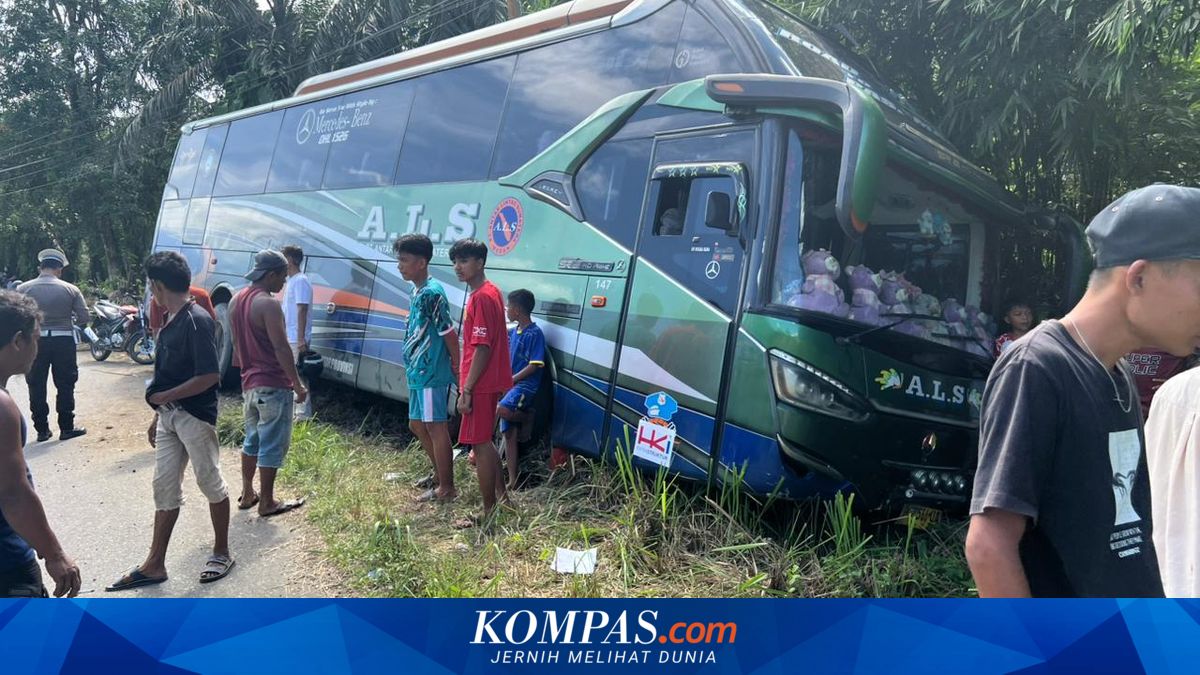
The fatal incident involving an inter-provincial bus (ALS) and a fuel tanker truck in North Musi Rawas on Wednesday (6/5/2026), which claimed 18 lives, is a tragedy. It also manifests the collapse of the road transport safety supervision and budgeting system in Indonesia. With road accident fatality rates exceeding 100 lives per day, the slogan “safety is a priority” sounds merely euphemistic. Reforms must not stop at ceremonial investigations but must touch on institutional restructuring and the state’s financial commitment. “Investment in safety is a constitutional obligation. Cutting operational allocations for the National Transport Safety Committee (KNKT) or safety budgets in the Ministry of Transportation is negligence towards public life protection,” said Djoko to Kompas.com on Sunday (10/5/2026). Data from the National Traffic Police Corps (Korlantas Polri) and PT Jasa Raharja reveals that roads have transformed into battlefields that devour productive ages. More than 70 percent of victims are in the 11 to 55-year age range. The portion of students and university students (11-25 years) dominates significantly, reaching 25 to 40 percent of total deaths. Meanwhile, infrastructure variables contribute 30 percent, and fleet technical problems contribute 9 percent. “These numbers are an alarm that government interventions must not only touch on physical road aspects but must extend to purifying road user discipline,” said Djoko. One important instrument that should serve as a safety shield is the Public Transport Company Safety Management System (SMK-PAU). Referring to Minister of Transportation Regulation Number 85 of 2018, this system mandates 10 fundamental elements, from risk management to fleet maintenance. However, its implementation often faces fiscal limitations of small-scale operators. There are three absolute pillars in SMK-PAU, namely supervision of working hours to mitigate fatigue with a maximum of eight hours, mandatory independent pre-trip inspections, and compliance with business permit administration.