
When Salaries Fail to Arrive, Congo's Ebola Frontline Workers Go on Strike
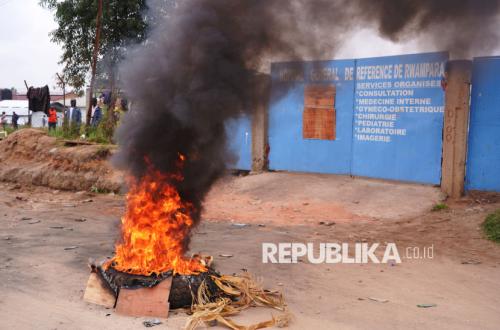
Behind the protective suits covering their bodies, health workers in the eastern Democratic Republic of Congo carry a heavy burden. Every day they face Ebola patients, trace chains of transmission, transport victims, and bury bodies under strict procedures. Yet after weeks of working on the front lines, they are confronting another equally heavy problem: salaries and incentives that have not been paid. The situation culminated on Monday (13/7), when dozens of staff at Rwampara General Hospital in Ituri Province decided to halt their activities. The strike was carried out by epidemiologists, case trackers, ambulance drivers, and burial workers. They even closed the hospital and blockaded the road leading to the health facility in protest over the delayed payment of wages and bonuses. A wave of protests had emerged several days earlier. Since early July, health workers at several Ebola treatment centres in Bunia, the epicentre of the outbreak, had issued an ultimatum to the government. They claimed they had not received salaries or incentives since the Ebola outbreak was officially declared on 15 May 2026. They also complained about the lack of protective equipment, the high risk of the job, and working conditions they deemed disproportionate to the pay. The medical staff’s strike is ironic, occurring as the Democratic Republic of Congo faces the largest Ebola outbreak ever recorded in Africa for the Bundibugyo virus strain. By mid-July, more than 1,900 cases had been confirmed, with hundreds of fatalities. For residents of Ituri, the strike has sparked new anxiety. They fear the suspension of services will slow patient care, close-contact tracing, and safe burial processes, which are a crucial part of breaking the Ebola transmission chain. The government, through Health Minister Roger Kamba, acknowledged obstacles in the payment process. According to the government, verification of the incentive recipient list found several names that should not have been included in the data, forcing a delay in fund disbursement to ensure payments were correctly targeted. Amid this crisis, doctors, nurses, laboratory technicians, ambulance drivers, and burial teams are in a dilemma. They understand that every hour of service is vital for patient safety. But on the other hand, they must also support families who depend on income they have not received for months.