
When Rice Weevils Invade Residential Areas
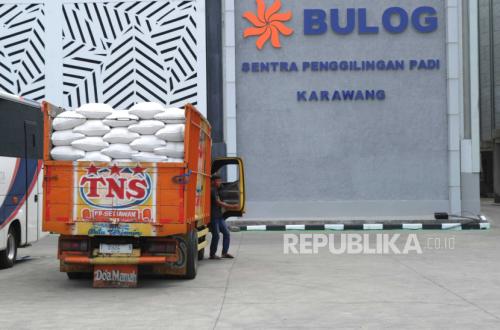
A recent viral incident involving thousands of rice weevils attacking a residential area in Karawang Regency, West Java, has caused widespread concern. The event is particularly striking amidst the euphoria over the government’s record rice reserves, which this year surpassed 5 million tonnes for the first time in Indonesia’s history.
Rice weevils (Sitophilus oryzae) are a small species of snout beetle, measuring about 2-3 mm, with a reddish-brown or black colour. They are a primary pest of stored grains. Many people are puzzled as to how weevils can appear even in tightly sealed containers. The fact is that these weevils originate from microscopic eggs already present inside the grain from the paddy fields or milling warehouses. The female weevil bores a tiny hole into a grain, deposits an egg, and then seals the hole. When the rice is stored in warm and humid conditions, the egg hatches into a larva and develops into an adult weevil.
Factors that trigger weevil breeding include high humidity, warm room temperatures, and prolonged storage in large sacks without adequate air circulation. While rice infested with weevils is technically safe to consume—as the insects are non-toxic and are destroyed by stomach acid—the infestation reduces the grain’s nutritional value. The larvae consume the endosperm, making the rice brittle and hollow. Contact with weevil dust can also trigger allergic reactions such as sneezing, nasal congestion, or eye irritation in sensitive individuals.
The recent infestation in the Tunggakjati sub-district, West Karawang, is being handled intensively by Bulog Karawang and the warehouse manager. Thousands of pests, identified as secondary warehouse pests of the Tribolium type, swarmed from a rented warehouse complex and invaded nearby homes. Residents complained of itching, swollen skin from bites, swollen eyes, and in one extreme case, a bleeding ear after an insect entered it. The massive number of insects covered walls and beds, making it difficult for residents to rest.
In response, Bulog carried out total fumigation of the warehouse using chemical smoke to break the pest population cycle. Joint teams also conducted fogging in the affected residential areas to eliminate the insects that had already spread. The management of Perum Bulog officially apologised for the inconvenience and affirmed their readiness to take full responsibility for the medical treatment of residents suffering from health issues caused by the weevils. Bulog also assured that the rice from the affected warehouse would undergo rigorous screening and quality checks before distribution to ensure it remains safe and fit for consumption.