
When Plastic Waste Becomes Energy
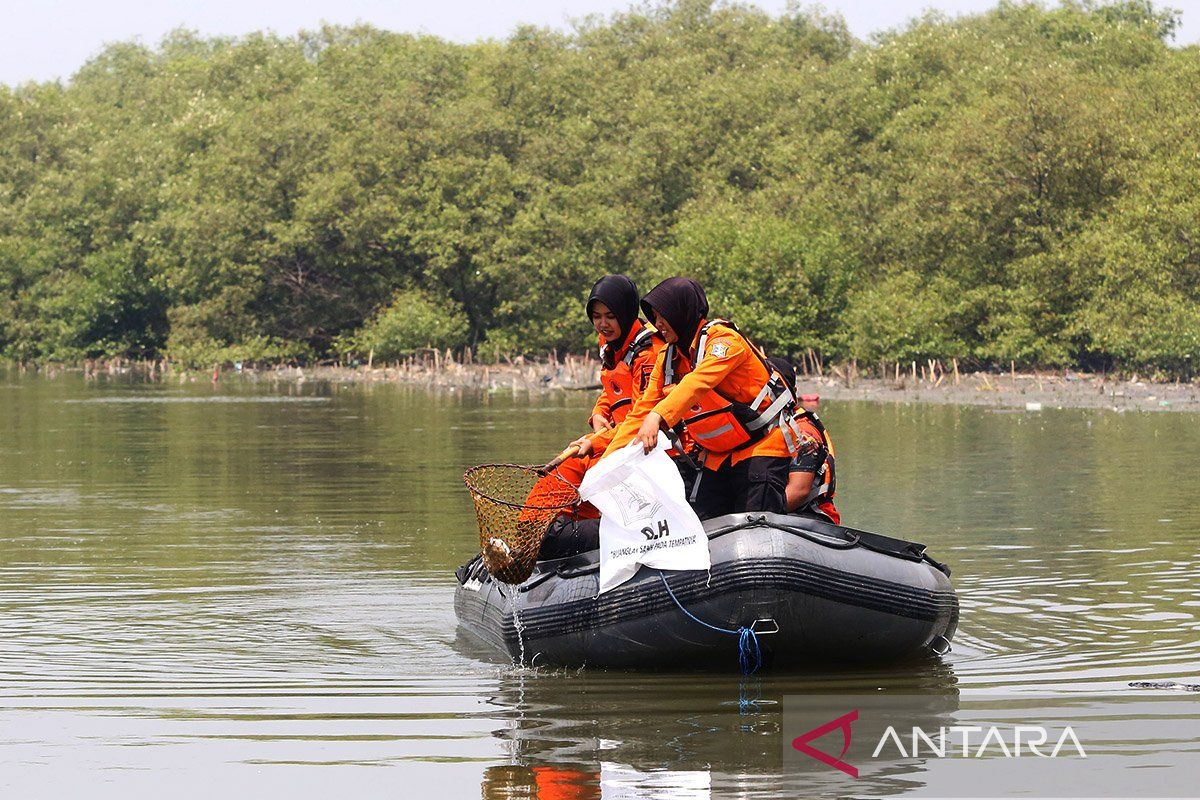
Surabaya (ANTARA) - Mangroves always present two contrasting faces. From a distance, the green expanse appears tranquil, serving as a natural fortress protecting the coast from abrasion and acting as a home for diverse wildlife.
However, amidst the respiratory roots that should symbolise life, dull plastic sheets, torn plastic bags, and various uninvited wastes are often trapped. It is ironic that most of this waste does not originate from the mangrove area itself. River currents carry it from the mainland, while sea waves return it during high tide. Consequently, mangroves have become the final destination for plastic that has failed to be managed properly.
This phenomenon provides a clear illustration that the issue of plastic waste is no longer merely a matter of urban cleanliness. It has transformed into a threat to ecosystems, the economy of coastal communities, and the sustainability of marine resources.
Amidst these challenges, the step taken by the Surabaya Regional Research and Innovation Agency (BRIDA) to develop pyrolysis technology to convert mangrove plastic waste into fuel presents a different perspective. Waste is no longer positioned solely as a burden, but as a resource that holds value if processed through appropriate innovation.
While this idea is not yet a single solution to the plastic problem, it offers a new direction: that waste management requires the courage to move beyond conventional approaches.
Root of the problem
Indonesia still faces significant challenges in plastic waste management. According to the National Waste Management Information System of the Ministry of Environment, national waste generation reaches tens of millions of tonnes annually, with plastic waste being one of the largest contributors. Some are successfully recycled, but many end up in landfills, rivers, and the ocean.
Reports from the United Nations Environment Programme (UNEP) also show that plastic pollution has become a global crisis. Every year, millions of tonnes of plastic enter the oceans, disrupting coastal ecosystems, threatening marine biota, and even entering the human food chain in the form of microplastics.
Mangroves are among the ecosystems most vulnerable to these impacts. Their dense root structures are effective at trapping sediment, but simultaneously trap various types of waste carried by currents.
As a result, mangrove roots lose the space to breathe optimally. Accumulating waste inhibits vegetation growth and reduces the habitat quality for various types of fish, crabs, birds, and other biota that depend on the area.
Surabaya has long been known as a city seriously committed to developing mangrove areas. Various rehabilitation efforts are undertaken to strengthen coastal protection and support carbon emission reductions. However, the success of rehabilitation will not be maximised if the pressure from plastic waste continues.
This is where BRIDA’s approach becomes interesting. The target of the pyrolysis technology is not plastic bottles, which still possess economic value, but rather plastic bags and damaged plastics that have historically been of little interest to the recycling industry.
This means the innovation targets the link in the chain that has been the weak point in national waste management: low-value plastic waste that is usually simply discarded or openly burned.