
When Piles of Plastic in Cimahi Become New Energy
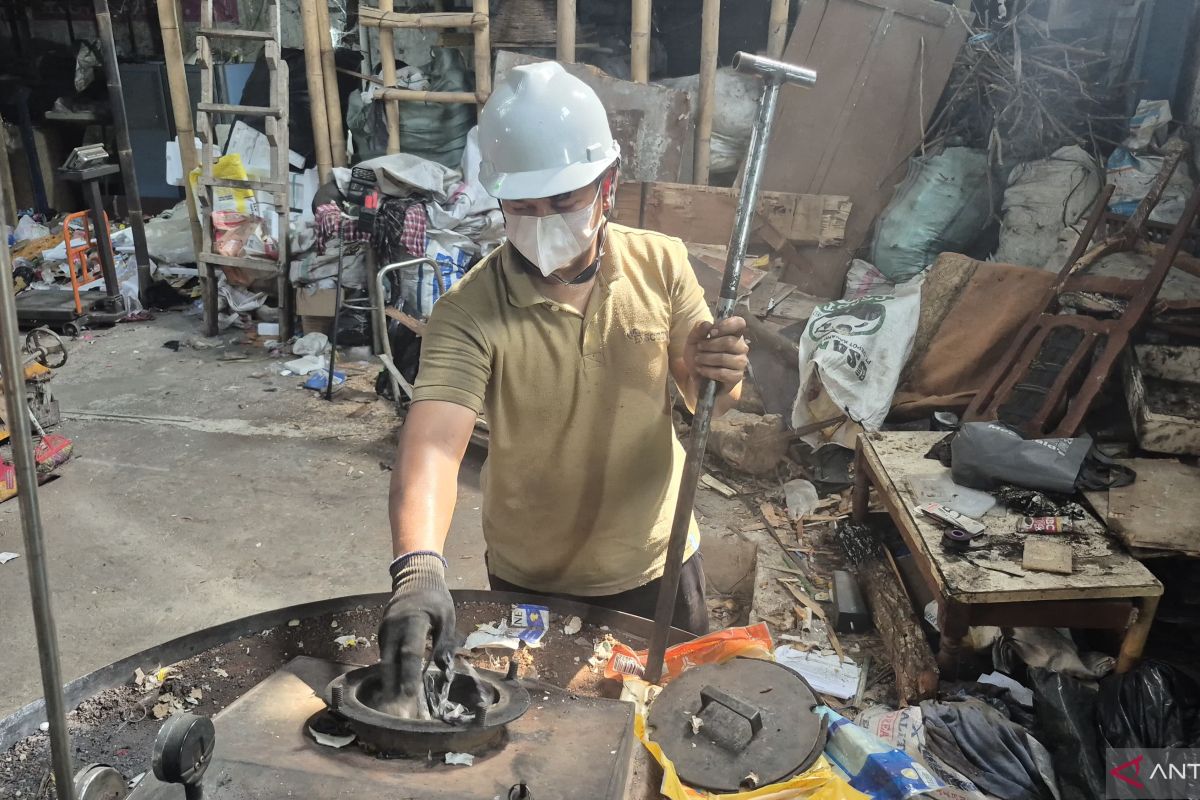
However, behind all the figures, technology, and policies, the core of this story remains simple: in a corner of Cimahi City, there is a group of people who choose to see waste not as an end, but as a beginning. Cimahi (ANTARA) - Behind the blue zinc fence in Melong Ward, South Cimahi Subdistrict, Cimahi City, there is an activity that at first glance seems simple, but holds a big story about changing perspectives on waste. There, piles of used plastic packaging, labels, and food wrappers that usually end up at the Final Disposal Site (TPA), instead become raw materials for energy. Rather than being burned or simply sorted, these plastics are processed further to produce fuel oil. The process takes place inside a metal reactor, where the plastic is heated without oxygen until it breaks down. From there, the resulting vapour is then channelled through a cooling system, before finally dripping slowly into a yellowish liquid. This liquid is what is known as Petasol, an alternative diesel derived from plastic waste. It is at this place that the Main Waste Resource Bank–Melong 26 bears witness to how waste, which has long been considered a problem, slowly transforms into a resource. Of course, this grand idea did not emerge overnight. Lionardi Sutandi, one of the initiators, recounts that it all started from a simple experience at the waste bank. At that time, most waste could still be managed. Paper, bottles, metal—all had value. However, low-value plastic became a dead end.