
When Palm Oil Becomes Petrol, Indonesia Tests Its Energy Future
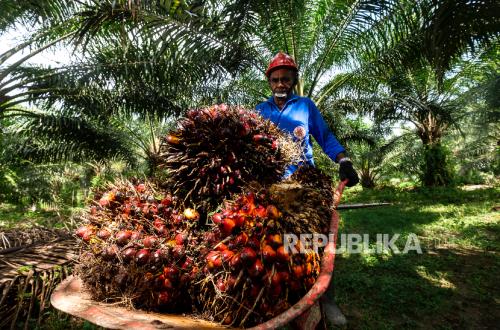
Amid the uncertainties of global energy prices, Indonesia stands at a crossroads between long-standing dependencies and emerging domestic hopes. In laboratory settings far from the bustle of the world oil market, a group of researchers work quietly. They are not merely processing data but attempting to shift perspectives, that energy does not always have to come from the earth’s depths but can be born from the land we tread upon. From there, palm oil, a commodity known for decades as an export staple, is being reimagined not as crude oil but as petrol. This idea does not emerge in a vacuum. It grows amid the increasingly urgent need to strengthen national energy self-sufficiency. Dependence on fossil fuels, particularly imports, has long been a recurring structural issue, forming a difficult cycle to break. In this context, efforts to convert crude palm oil into biogasoline gain meaning, not merely as technological innovation but as a statement of direction. However, like any conceptual leap, the accompanying questions are not simple. It is not just about whether this technology is possible, but how viable, efficient, and sustainable it is. Here, the narrative of palm petrol moves from mere experimentation to a broader debate on Indonesia’s energy future. For years, palm oil has stood as the backbone of national exports. Its production, reaching tens of millions of tonnes annually, positions Indonesia as a major player in the global market. Yet, the greatest added value is often enjoyed abroad, when the raw material is further processed. Efforts to convert palm into fuel represent a step to reverse this, from exporter of raw materials to producer of high-value energy. Through catalytic cracking methods, palm oil is broken down into short-chain hydrocarbons equivalent to commercial petrol components. In the initial stages, conversion efficiency was limited, with high temperatures demanding significant energy. However, the development of bimetallic catalysts based on nickel oxide and copper oxide has brought significant changes. Operating temperatures have decreased, while conversion yields have increased, a leap that is not only technical but also strategic. Moreover, this process leaves little waste. The produced gas can be reused as reactor fuel, while the liquid residue has potential as another alternative energy source. This approach approaches the zero-waste concept, a standard increasingly referenced in the modern energy industry. From an economic perspective, the opportunities are wide open. With abundant raw material availability, even limited-scale conversion can reduce pressure on fuel imports. In the long term, it is not impossible for Indonesia to transform into an exporter of plant-based energy. Yet, this optimism does not stand without shadows.