
When is the best time to check your blood sugar? Here’s what you need to know
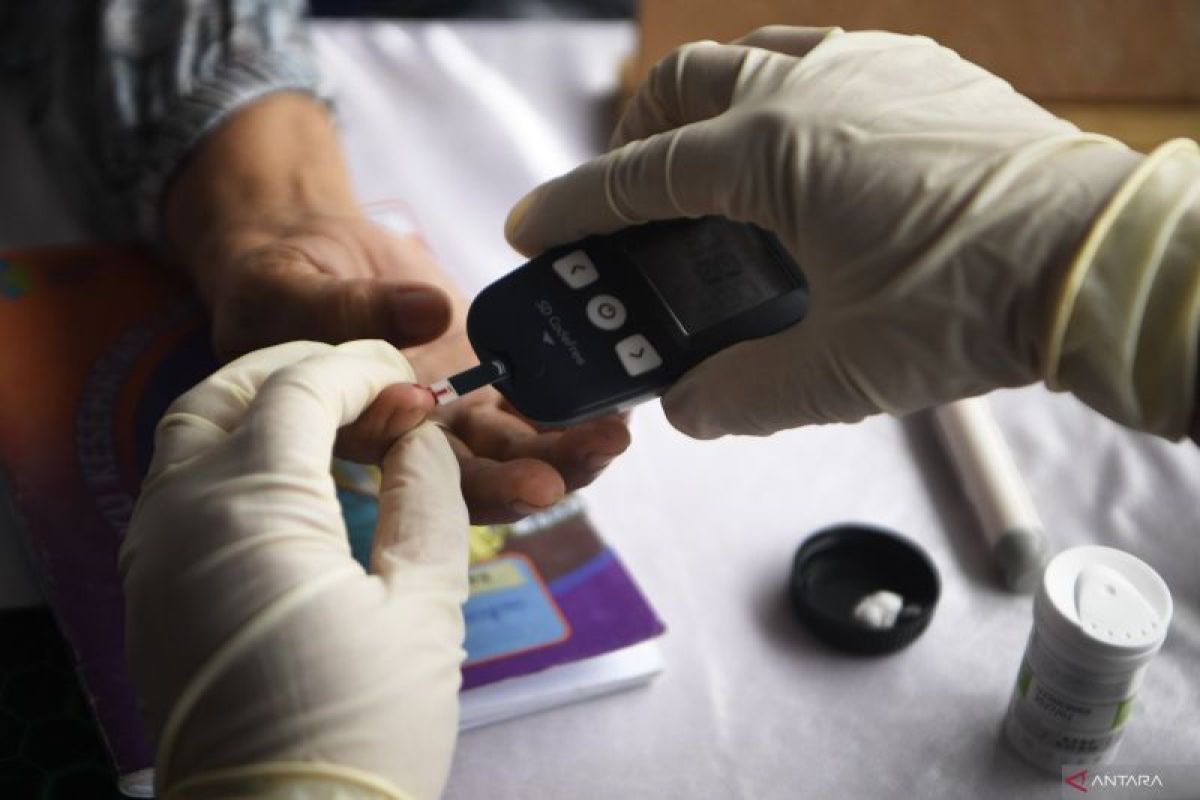
Jakarta (ANTARA) – Knowing your blood sugar level is an important step in looking after your health, particularly for people with diabetes or those at risk of blood glucose problems. However, tests should not be taken at random if they are to provide results suited to the purpose of the test.
The timing of a test can affect the result. Blood sugar levels, for example, may differ when someone has just woken up, before a meal or several hours after eating.
It is therefore important to know when to check blood sugar and how to adjust the testing schedule to suit the body’s needs.
- In the morning after waking
A common time to check blood sugar is in the morning after waking, before eating or drinking anything other than water.
This is known as a fasting blood glucose test if it is carried out after avoiding food and drinks containing calories for the specified fasting period, generally at least eight hours for a diagnostic test.
A fasting blood glucose test can help show how the body regulates glucose after going several hours without food.
The test is also often used to help detect prediabetes and diabetes. However, a diagnosis should not be based solely on a single self-test result from a home blood glucose monitor.
If you want to be tested to assess your risk of diabetes, consult a healthcare professional about the type of test and any preparation required.
- Before eating
For people already diagnosed with diabetes, checking blood sugar before a meal can help establish the glucose level before the body receives additional carbohydrates from food.
The result can also help assess whether blood sugar is within the target set by a doctor.
According to the Centers for Disease Control and Prevention (CDC), a common pre-meal blood sugar target for many adults with diabetes is 80–130 mg/dL. However, this is not a target for everyone.
Age, health condition, type of treatment and the risk of low blood sugar can affect the recommended target.
Therefore, do not conclude that your blood sugar is abnormal simply by comparing it with this general range. Make sure you know the target appropriate to your personal circumstances.
To find out how the body responds to food, checking blood sugar about two hours after starting a meal may be an option.
After eating, the body breaks down carbohydrates into glucose, which is then used as an energy source. This causes blood sugar to rise; the extent of the increase is influenced by the type and portion of food, physical activity and the body’s response to insulin.
A post-meal test can help track this change. For many non-pregnant adults with diabetes, a common target is below 180 mg/dL about one to two hours after starting a meal.
Even so, this target does not apply to everyone and cannot be used on its own to diagnose diabetes.
A self-test after eating should also be distinguished from a diagnostic laboratory test. An oral glucose tolerance test, for example, follows a specific procedure and uses a prescribed amount of glucose solution under the direction of a healthcare professional.
- Before going to bed
For some people with diabetes, checking blood sugar before bed can also form part of their daily monitoring routine.
This test helps establish the blood sugar level before rest, particularly for people using insulin or certain medicines that can cause blood sugar to fall too low.
The information can help healthcare professionals assess blood sugar patterns throughout the day and decide whether the treatment plan needs adjusting.
However, not everyone with diabetes needs to check their blood sugar every night before bed. The frequency depends on the type of diabetes, the treatment being used, previous test results and a doctor’s advice.
If you use insulin, do not change the dose or timing based on a single test result without following the care plan agreed with your healthcare professional.
In addition to following a regular schedule, a blood sugar test may be needed when symptoms suggest that levels are too low or too high.
Low blood sugar can cause symptoms such as shaking, sweating, a pounding heart, dizziness or confusion. High blood sugar may be accompanied by excessive thirst, frequent urination, fatigue and blurred vision.
These symptoms are not always caused by a blood sugar problem. However, for people with diabetes, testing can help establish whether a change in how they feel is connected to their glucose level.
If someone experiences severe confusion, a seizure or loss of consciousness, seek medical help immediately. Do not give food or drink by mouth to someone who is unconscious.
People who have not been diagnosed with diabetes but experience concerning symptoms should consult a doctor for appropriate testing.
- When ill or experiencing changes in activity
Illness, stress, changes in eating habits or unusual physical activity can also affect blood sugar levels.
For people with diabetes, a doctor may recommend more frequent testing when they are ill or when their treatment or physical activity changes.
This matters because infections and physical stress can raise blood sugar, while physical activity and certain medicines can lower it.
If you use insulin or medicines that carry a risk of hypoglycaemia, ask your doctor when additional testing is needed, including before or after exercise.
Record the results along with the time, food consumed, activity and medicines used. These notes can help a doctor understand blood sugar patterns and assess treatment.
As well as choosing an appropriate time, it is important to carry out the test correctly so that the results are more reliable.
Here are some steps to take when using a home blood glucose monitor:
Wash your hands first. Use soap and water, then dry your hands before taking a blood sample.
Use a suitable monitor and test strips. Make sure the strips have not expired and have been stored according to the manufacturer’s instructions.
Follow the instructions for using the monitor. Make sure the blood sample is collected and the result read correctly.
Record the result. Include the date, time and whether the test was taken while fasting, before a meal or after eating.
Discuss the result with a healthcare professional. Do not change your medication or insulin immediately just because a single result is outside the target range.
It is important to note that home blood glucose monitors are used to track glucose levels, while a diabetes diagnosis generally requires appropriate laboratory tests and assessment by a healthcare professional.
Does everyone need to check their blood sugar regularly?
Not everyone needs to use a home monitor to check their blood sugar every day. The need for testing depends on a person’s health and the purpose of the test.
People already diagnosed with diabetes may need to monitor their blood sugar regularly, particularly if they use insulin or medicines that carry a risk of low blood sugar.
People without a diabetes diagnosis can consult a doctor to determine whether screening is needed, especially if they have risk factors such as excess weight, a family history of diabetes or a history of gestational diabetes.
One screening test that may be used is the HbA1c test, which reflects average blood sugar levels over about the previous two to three months. Unlike a fasting blood glucose test, an HbA1c test generally does not require fasting.
Source: jawawa.id (https://jawawa.id/newsitem/when-is-the-best-time-to-check-your-blood-sugar-heres-what-you-need-to-know-1794383773)
Originally published by Antara (Indonesian) (https://www.antaranews.com/berita/5846283/kapan-waktu-terbaik-untuk-mengecek-gula-darah-ini-penjelasannya), translated from Indonesian