
When Family Members Become Perpetrators: The Impact of Child Sexual Abuse
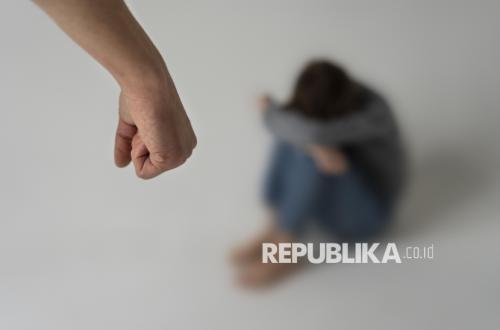
Cases of child sexual abuse involving close relatives within the family environment continue to occur. Rather than being a safe place, the family can become a space that leaves deep wounds when trust is abused by those who are supposed to provide protection.
A psychology expert from Airlangga University, Dr Primatia Yogi Wulandari, views sexual abuse as not only affecting a child’s psychological condition. It also influences how children perceive themselves, others, and their future social relationships.
Primatia explained that close family relationships do not automatically guarantee a child’s safety. In many cases, perpetrators exploit the power relations they hold over the victim.
“From a developmental psychology perspective, sexual abuse within the family is extremely serious because the perpetrator is a close relative who should be a protective figure. When that trust is betrayed, what is disrupted is not only the child’s emotions but also their developmental process,” she said in a written statement, quoted on Sunday (16/8/2026).
She added that age differences and authority between adults and children create a power imbalance that perpetrators can exploit. Therefore, education about bodies, privacy boundaries, and consent needs to be introduced from an early age.
“Child protection is not only about teaching them to be wary of strangers, but also about building an understanding that every child has the right to maintain their bodily boundaries, even with people they know,” Primatia explained.
According to her, each child’s response to sexual abuse cannot be generalised. Some children may show behavioural changes, while others appear fine despite experiencing deep psychological wounds.
“Victims may experience fear, shame, loss of self-confidence, and difficulty sleeping and concentrating. However, not all children show the same signs. Therefore, we cannot judge the severity of the impact solely from visible behaviour,” she said.
Furthermore, Primatia explained that experiences of sexual abuse within the family can affect a child’s ability to build social relationships.
Victims may develop trust issues, withdraw from their surroundings, and struggle to form relationships as they enter adolescence. Nevertheless, she emphasised that these impacts can be recovered if the child receives appropriate protection and support.
Primatia stressed that preventing sexual abuse should not be placed solely on children. Families, schools, and communities share a collective responsibility to create a safe and supportive environment.
“What we need to create is not only children who are physically safe, but also children who feel safe to speak up. When a child dares to disclose their experience, the first response of adults must be to listen, believe, and protect—not to blame or question their story,” she said.