
When Criticism Becomes a Legal Matter, and the Challenges of Upholding Freedom of Speech
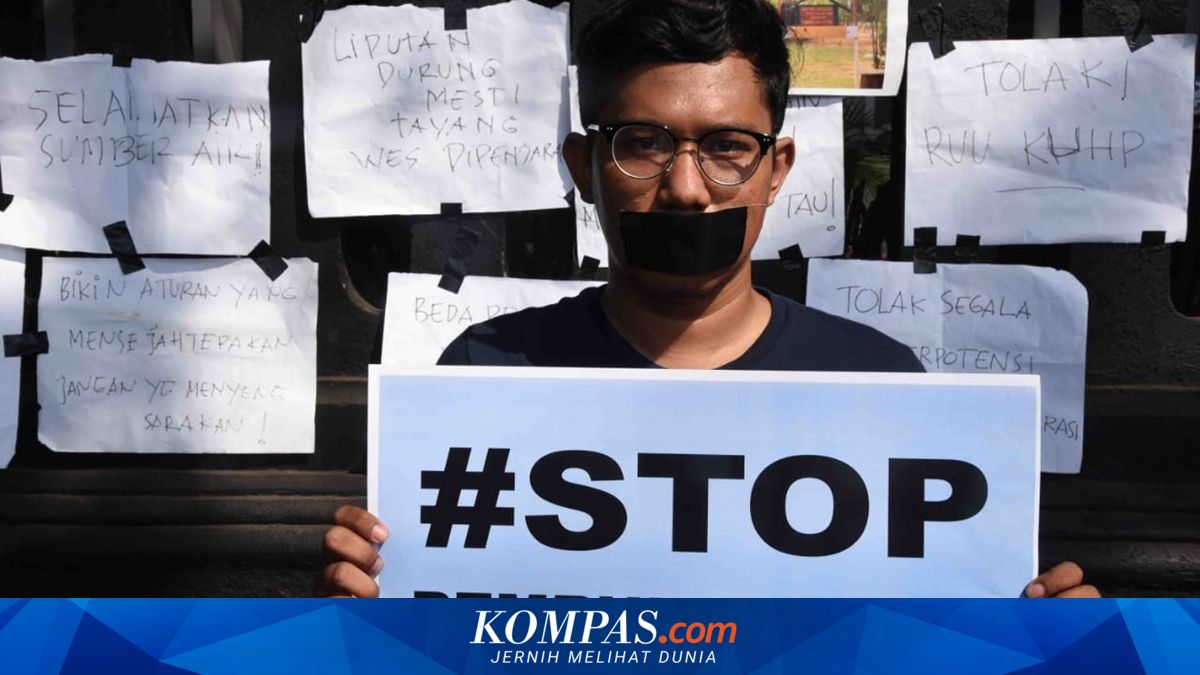
JAKARTA, KOMPAS.com - Several observers and academics, such as Saiful Mujani, Feri Amsari, and Ubedilah Badrun, have been reported to the police over their statements criticising the government. This incident has raised concerns about restrictions on the space for freedom of opinion in the public sphere. Criticism, which should be part of democratic oversight, is feared to instead become a legal threat, potentially creating a fear effect for academics and the public in expressing their views. Meanwhile, Feri Amsari was reported for incitement due to his criticism of the government’s food self-sufficiency claims, which he deemed inconsistent with facts. Ubedilah Badrun was reported in connection with statements made in the Forum Keadilan podcast, deemed to offend President Prabowo Subianto and Vice President Gibran Rakabuming Raka. In response to this situation, legal expert from Universitas Sebelas Maret (UNS), Andina Elok Puri Maharani, views the reporting of academics as a disproportionate response to criticism. “The criminalisation of academics actually shows a childish nature,” said Andina. She emphasised that freedom of opinion is guaranteed by the constitution through Article 28E of the 1945 Constitution and is an important foundation in democracy. According to her, data-based academic criticism cannot be treated as a threat. “In fact, this can be interpreted as constructive input for nation-building,” said Andina. Andina also stressed the need to distinguish between academic criticism and hate speech. Criticism, in her view, is analytical and data-based, whereas hate speech involves personal attacks without scientific basis. “Academic criticism is freedom of speech. Meanwhile, hate speech can be categorised as a criminal act,” she said. Andina is concerned that if this trend continues, it could lead to a chilling effect, a condition where individuals or groups become afraid to express opinions due to fear of facing legal processes. “Such criminalisation has the potential to create a chilling effect and even apathy in democracy,” she explained. If this condition persists, she continued, it could lead to political apathy and weaken public participation in democracy. “In fact, this political apathy is dangerous because it has the potential to trigger a legitimacy crisis, weak accountability, and leadership stagnation,” said Andina.
Source: jawawa.id (https://jawawa.id/newsitem/when-criticism-becomes-a-legal-matter-and-the-challenges-of-upholding-freedom-of-speech-1776646246)
Originally published by Kompas (https://nasional.kompas.com/read/2026/04/20/06560501/kala-kritik-menjadi-perkara-dan-tantangan-menjaga-kebebasan-bersuara?utm_source=ABC&utm_medium=rss), translated from Indonesian