
When Courses Change Lives: Lifelong Learning as a Path to Self-Reliance
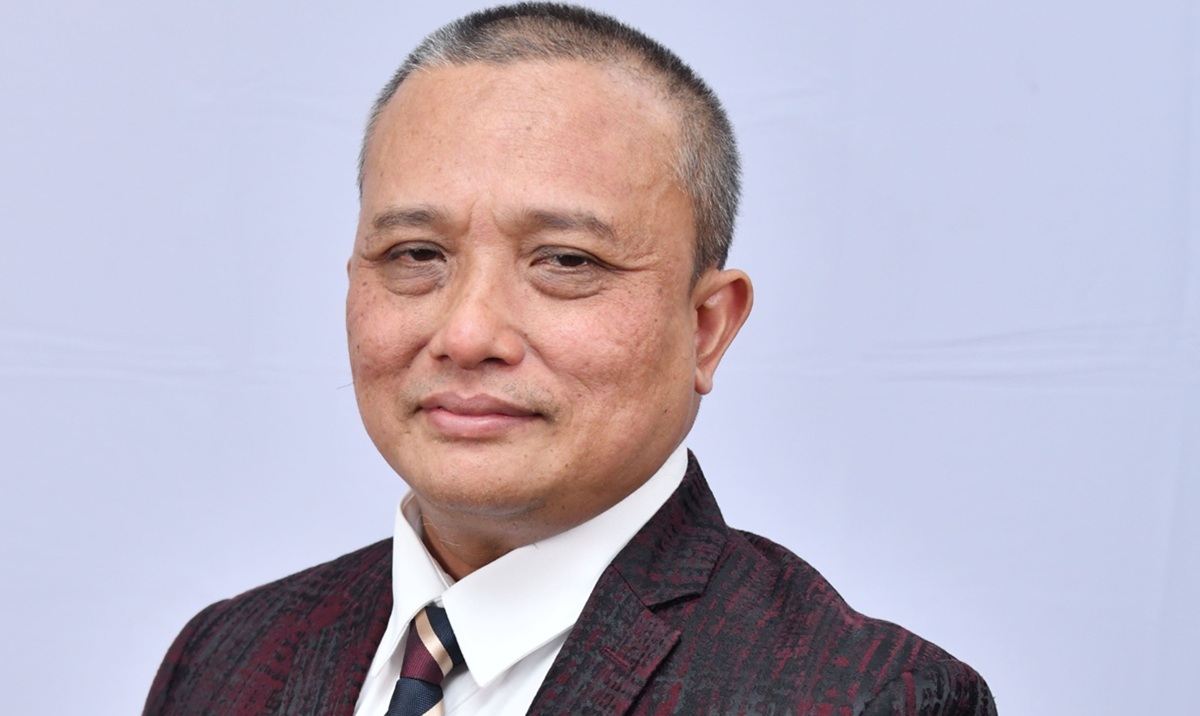
Depri Eka Pratama, a Vocational High School graduate who was once confused about his direction, now owns four Kingbab.ya outlets with a monthly turnover of IDR 64-75 million. “The learning was enjoyable and very impactful. This was something new for me, and truly became a provision for life,” he said. His story is concrete proof of a concept often forgotten in Indonesia: education is a lifelong journey, not a provision that expires with a diploma.
The concept of lifelong learning might sound like policy jargon. However, in a country with 9.9 million NEET (Not in Employment, Education, or Training) young people in 2024 and 7.24 million openly unemployed as of February 2026, this concept is no longer a luxury but an emergency. Data shows that 30 percent of companies in Indonesia struggle to recruit quality talent, 45 percent of employers expect the competition for talent to intensify, and 35 percent cite digital skills as the biggest barrier, yet only 19 percent of young workers have the appropriate qualifications.
Lifelong learning is crucial because the world of work is changing rapidly due to automation, artificial intelligence, and the green economy. Skills relevant today may be obsolete tomorrow. Formal education provides a foundation, but only continuous learning can keep a person relevant. For the 40 to 45 percent of Millennials and Gen Z who did not complete upper secondary education, often due to economic pressures or incompatibility with the formal system, the door to formal education has closed. For them, the answer lies in the 12,949 course and training institutions (LKPs) spread across Indonesia, which serve as the closest lifelong learning infrastructure to the community.
These courses are not just a side activity but the pulse of lifelong learning, a way for individuals to continuously update their knowledge and maintain competitiveness. UNESCO emphasises that lifelong learning encompasses all ages and contexts, and courses provide a concrete gateway for this idea into daily life. A successful international model is Singapore’s SkillsFuture, a national movement launched in 2015 that provides citizens with training credits and reskilling pathways. Its strength lies not just in the courses, but in how the state integrates them into the socio-economic system through subsidies, competency recognition, and strong links to industry needs.
Behind a simple training centre lies a larger bridge being built so that learning does not stop after formal schooling. This is why Indonesia’s Minister of Education and Culture Regulation No. 24 of 2025 on Course Institutions is important. It seeks to structure the ecosystem by requiring institutions to be licenced, instructors to be competent, curricula to be linked to industry, and certificates to be nationally recognised. The policy’s success depends on local governments, honest industry input on skill needs, and a societal view of courses as an investment in dignity. This direction is already showing results, with the 2026 PKW and PKK programmes at 248 LKPs enabling most participants to start businesses or find jobs relatively quickly.