
When consumers no longer rely on a single shopping channel
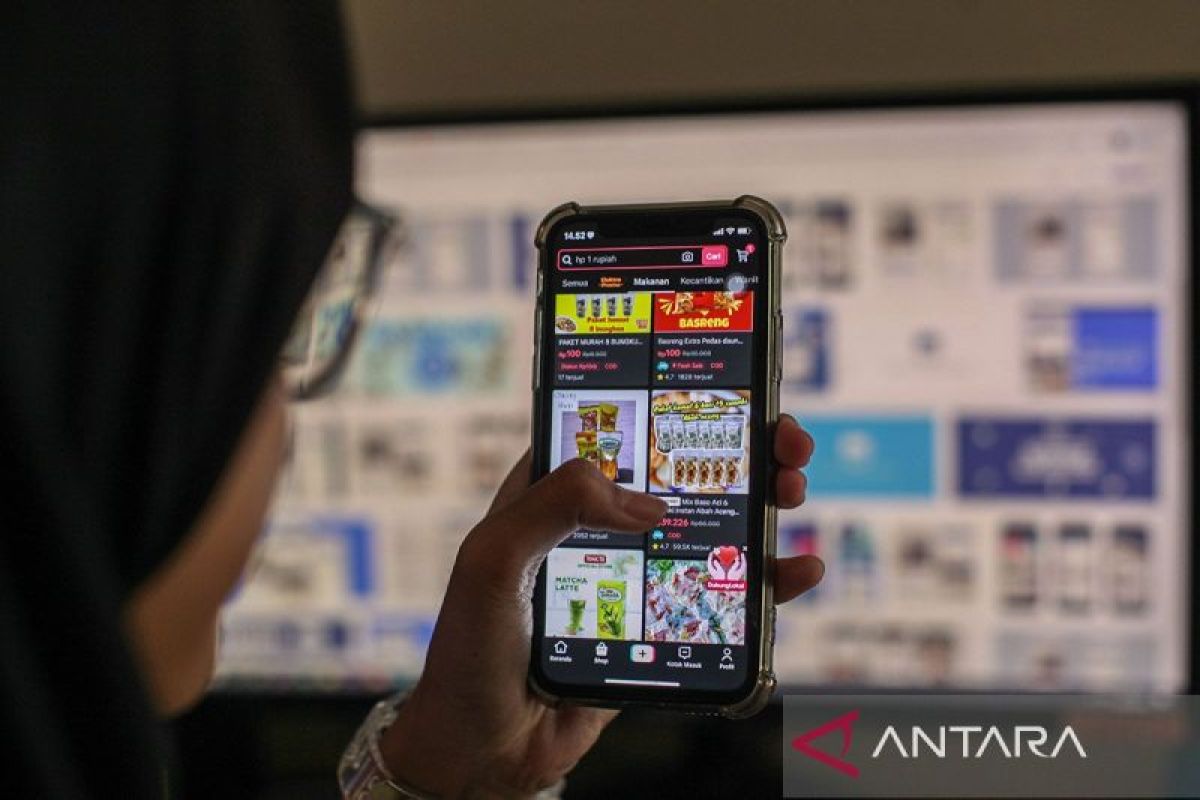
Jakarta (ANTARA) - Consumers now have more freedom to determine how they shop. Before purchasing a product, they can find information via social media, compare prices on e-commerce platforms, view items directly in physical stores, and return to digital channels to complete transactions.
A survey by GMO Research & AI of 881 internet users aged 16-60 in Indonesia in April 2025 showed that 30.5 per cent of respondents are accustomed to comparing prices and choosing the cheapest option. Another 25.7 per cent of respondents use one primary platform but occasionally switch to others.
This tendency to compare prices was also evident in a survey by the Indonesian Public Opinion Study and Discussion Group (KedaiKOPI) of 9lar 932 middle-class citizens in October 2025. Approximately 94.5 per cent of respondents admitted to comparing product prices in physical stores with similar products on e-commerce, particularly for fashion, cosmetics, and skincare.
This pattern demonstrates that the consumer shopping journey does not always occur within a single channel. Choices can change based on price, the need to see or try a product, the speed of delivery, and transaction convenience.
This pattern is reflected in the experience of Hanny, an office worker in Jakarta. She typically finds product recommendations via TikTok, checks prices and reviews on Shopee, views the product in a physical store, and then returns to purchase it online via Shopee. After comparing prices, Hanny chooses the purchase location based on the most suitable offer.
“If the price is cheaper offline, I buy it offline. But if it turns out to be cheaper on Shopee, I check out on Shopee, like that,” Hanny told ANTARA on Thursday (3/9). According to Hanny, physical stores provide the opportunity to inspect product conditions and compare benefits. However, higher prices compared to digital channels are a key consideration. For Hanny, e-commerce offers a wider variety of products and promotions such as discounts, coupons, vouchers, and free shipping. The downside is the waiting period for delivery if same-day or instant services are unavailable, and the inability to inspect the product before the transaction.
Rio, another office worker in Jakarta, also uses multiple channels. E-commerce is his most frequent channel, followed by physical stores and brand websites. He typically uses e-commerce for products that do not require physical inspection and have relatively low risk. Conversely, for items requiring certainty in size, quality, or after-sales service, he tends to visit physical stores. For instance, when buying a washing machine, Rio found the same product online, but the presence of a physical store with after-sales service near his home led him to buy directly. “That is why we have to double-check both, even all three, when we want to buy something,” Rio told ANTARA on Thursday (3/9).
Economic observer and Director of Economy at the Centre of Economic and Law Studies (CELIOS), Nailul Huda, assesses that the tendency to compare various shopping channels is inseparable from price considerations. He believes that because the public remains price-oriented, they will seek the cheapest option when they find price differences for the same product. “If the price is higher, consumers will certainly look for a cheaper one,” Nailul said when contacted by ANTARA on Thursday (2/9).
He observes that this condition leads to increased e-commerce usage, especially when consumers find lower prices compared to physical stores. Price comparison behaviour can also lead people to visit shopping centres merely to see or try products before purchasing them online. Nailul describes this phenomenon as part of a shift in consumer shopping behaviour. E-commerce is now used for daily necessities such as soap, shampoo, and cooking oil, in addition to clothing, gadgets, and beauty products.
These findings align with the GMO Research & AI survey, which noted that product prices and discounts are the primary reasons respondents switch online shopping platforms, at 45.8 per cent. The next factors are delivery speed and ease at 16.3 per cent, and payment options and security at 15.6 per cent.
While price is a major driver for switching channels, choices are also influenced by the specific functions offered by each channel. Physical stores still hold a place in the shopping journey because they provide an experience difficult to replicate on a screen. Buyers can see colours and shapes, try sizes, inspect materials, interact with staff, and take the goods home immediately. Digital channels offer a different experience; e-commerce provides the freedom to search for various products, compare prices and reviews, maximise promotional vouchers, access complete payment methods, and enjoy fast, easy delivery without visiting a store. Meanwhile, brand websites serve as a place for consumers to obtain information on products, latest collections, exclusive items, and brand values. For buyers familiar with a brand, these websites can serve as a direct point of interaction between the brand and the customer.