
When Catholics and Protestants in Germany Share One Church
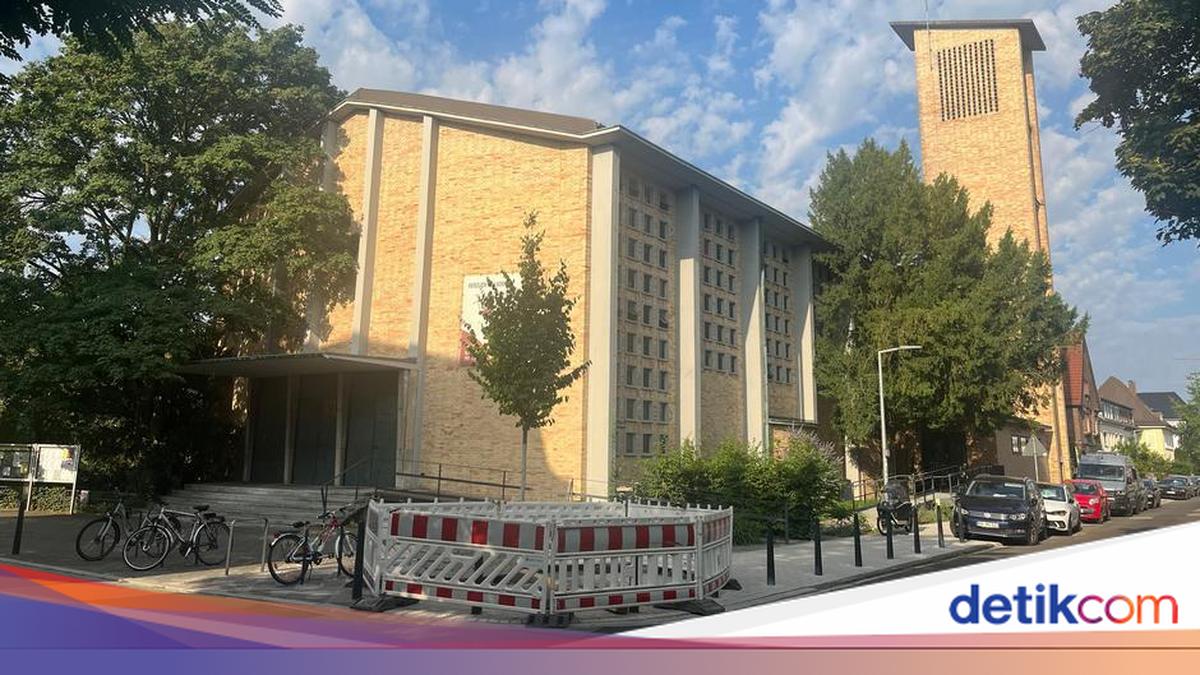
From the outside, the Catholic church in the Neuostheim district of Mannheim, Germany, looks like any other 1950s-era church. But St. Pius is unique: Catholic and Protestant congregations worship in the same space, taking turns using the same altar. This arrangement began informally in the early 1970s when the local priest committed to closer cooperation with the Protestant community. It became permanent after the nearby Protestant St. Thomas Church suffered severe damage in 2009 and could not be repaired. A banner on the façade of St. Pius now reads: ‘One Lord, one faith, one baptism,’ a phrase that has become part of daily life for both congregations.
Germany has around 65 so-called Simultankirchen, or shared churches, a concept often rooted in historical decrees following the Reformation. However, the modern trend is increasingly driven by practical necessity. Official church statistics for 2025 show Germany has 24,500 Catholic and 21,100 Protestant churches, yet dozens are deconsecrated, demolished, or repurposed each year due to rapidly dwindling congregations. A 2017 practical guide titled ‘What If We All Lived Together?’ addressed this issue, and the German Bishops’ Conference is currently working on a new guide focusing on shared use of facilities amid financial constraints.
In eastern Germany, it is common for Catholic bishops to hold mass in larger Protestant churches when their own cannot accommodate the congregation. The Archdiocese of Berlin has described such ecumenical projects as having ‘exemplary value,’ noting that attending a Protestant service was once considered a sin by some Catholics. At St. Pius in Mannheim, the cooperation is not a temporary fix but a deeply integrated partnership. During a major renovation from 2020 to 2022, the original altars were demolished. A new central altar was cast using the red sandstone from the Protestant altar and the grey limestone from the Catholic altar, with some surfaces left rough to symbolise both unity and unresolved differences. Similarly, at St. Birgitta-Thomas Church in Kiel, the two denominations have shared the church and parish hall since 1980 under a clear legal agreement, even sharing practical items like a printer.