
When Cameras Are Deemed More Dangerous Than Bullets
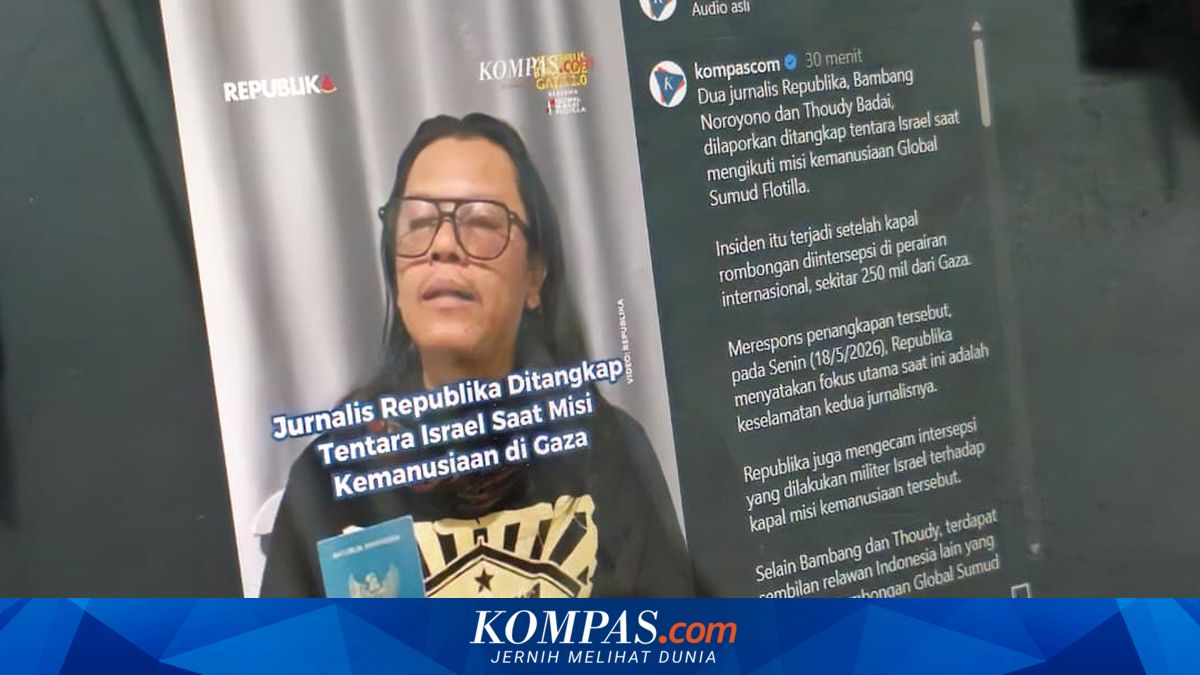
THEY set out not armed. They carried cameras, notes, and a simple belief that the world has a right to know the truth. Yet in many conflict zones, cameras are deemed more dangerous than bullets. Field notes are treated as threats, and journalists—those whose job is to record reality—can become targets. The incident involving the Global Sumud Flotilla humanitarian mission once again reveals the dark side of modern conflict: when violence targets not just people, but also testimony. The international civilian fleet carrying humanitarian aid to Gaza was accompanied by volunteers, humanitarian activists, and journalists from various countries. However, the journey ended with an Israeli military interception. Several activists, including Indonesian journalists, reportedly faced detention, intimidation, physical violence, and alleged torture. Israel denies all allegations, stating its actions fall under security policies and regional blockades. This question is crucial. Modern warfare no longer occurs solely on battlefields. It also plays out in the information space. Narratives become weapons. Perception becomes a battleground. And reality itself is contested. It is here that journalists stand—between propaganda and facts, between political pressure and public interest. The profession of journalism was never built on comfort. From Vietnam, Rwanda, Bosnia, Iraq to Gaza, journalists have always been closest to danger. They see what we do not. Hear what we do not. Bring back facts when propaganda seeks to dominate the public sphere. The world learned of the Vietnam War tragedy not just from world leaders’ speeches, but from frontline journalist reports. Nick Ut’s ‘Napalm Girl’ photograph stands as evidence of how visual testimony can shake global public opinion. History shows a recurring pattern: when power seeks to control narratives, access to information is almost always the first to be restricted. The issue grows more complex in the digital age. Social media algorithms prioritise emotion over verification.